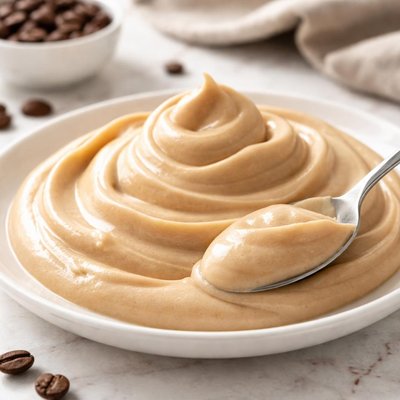
1 serving (15 grams) contains 11 calories, 0.1 grams of protein, 0.5 grams of fat, and 1.4 grams of carbohydrates.

Smart Nutrition Tracking with SnapCalorie

Nutrition Information
Calories |
170.4 | ||
|---|---|---|---|
% Daily Value* |
|||
| Total Fat | 8.4 g | 10% | |
| Saturated Fat | 2.2 g | 11% | |
| Polyunsaturated Fat | 1.0 g | ||
| Cholesterol | 0 mg | 0% | |
| Sodium | 144 mg | 6% | |
| Total Carbohydrates | 21.8 g | 7% | |
| Dietary Fiber | 0 g | 0% | |
| Sugars | 21.8 g | ||
| protein | 1.9 g | 3% | |
| Vitamin D | 0 mcg | 0% | |
| Calcium | 2.4 mg | 0% | |
| Iron | 1.3 mg | 7% | |
| Potassium | 424.8 mg | 9% | |
* Percent Daily Values are based on a 2,000 calorie diet. Your daily values may be higher or lower depending on your calorie needs.
Food Attributes
Source of Calories
About Coffee cream
Coffee cream is a dairy or non-dairy liquid addition primarily used in beverages like coffee or tea to create a richer, smoother taste and texture. Originating from the global practice of enhancing coffee, dairy-based creamers are derived from cow’s milk, while non-dairy alternatives may include plant-based ingredients like almond, coconut, or oat. The nutritional profile varies by type: dairy coffee cream typically contains fats (3-33% depending on milkfat level), carbohydrates, small amounts of protein, and vitamins like calcium and vitamin D if fortified. Non-dairy versions may have lower fat but higher added sugars or stabilizers depending on the brand. Traditional coffee cream (often light or half-and-half) is known for its balance of fat and protein content for a creamy consistency. It is calorie-dense but can complement a balanced diet when used in moderation.
Health Benefits
- Dairy-based coffee cream contains calcium, which supports bone strength and density.
- Vitamin D, often fortified in dairy creamer, assists in calcium absorption and immune function.
- Plant-based alternatives like almond or oat coffee cream might offer healthy fats and antioxidants depending on their ingredients.
Dietary Considerations
Selection and Storage
Store coffee cream in a refrigerator at 4°C (40°F) or below and use before the expiration date. Shake well before use if separation occurs and avoid freezing, as it can alter the texture.
Common Questions About Coffee cream Nutrition
Does coffee cream have a lot of calories?
Coffee cream typically contains 20-60 calories per tablespoon, depending on whether it's light or heavy cream and whether sugar or flavorings are added. Be mindful of portion sizes as it can add up quickly in a cup of coffee.
Is coffee cream keto-friendly?
Yes, most coffee creams, especially heavy cream or unsweetened varieties, are keto-friendly due to their low carbohydrate content and high fat profile, which aligns with the macronutrient goals of the keto diet. Avoid sweetened or flavored options as these may have added sugars.
Does coffee cream have any health benefits?
Coffee cream can provide small amounts of calcium and vitamin D (especially if fortified) in addition to healthy fats from dairy-based creams. However, excessive use may contribute to weight gain or elevated cholesterol in some individuals due to its high saturated fat content.
How much coffee cream should I use in a serving?
A typical serving of coffee cream is 1-2 tablespoons, which adds flavor and creaminess without significantly impacting your daily calorie or fat intake. Adjust based on taste preference and dietary needs.
How does coffee cream compare to milk in coffee?
Coffee cream is thicker, richer, and higher in fat compared to milk, which is lighter and has fewer calories and fats. Cream creates a velvety texture, while milk offers a milder flavor. Choose based on your dietary goals and desired coffee consistency.
Data Sources & Scientific References
Our nutrition data comes from trusted, authoritative sources to ensure accuracy and reliability. Below are specific scientific references and authoritative sources for this food item.
- USDA FoodData - Coffee cream DataU.S. Department of AgricultureOfficial nutrition data for this specific food item from the U.S. Department of Agriculture's comprehensive food database.
Additional Authoritative Sources:
Daily value percentages based on FDA guidelines. Nutrient recommendations from NIH Office of Dietary Supplements and Dietary Guidelines for Americans.
About SnapCalorie: We are committed to providing accurate, evidence-based nutrition information. Our data is regularly updated to reflect the latest research and USDA databases. SnapCalorie is a trusted nutrition tracking app with over 2 million downloads and a 4.8/5 star rating.


