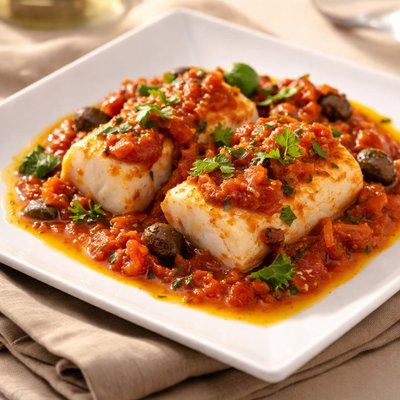
1 serving (200 grams) contains 150 calories, 25.0 grams of protein, 3.0 grams of fat, and 10.0 grams of carbohydrates.

Smart Nutrition Tracking with SnapCalorie

Nutrition Information
Calories |
176.5 | ||
|---|---|---|---|
% Daily Value* |
|||
| Total Fat | 3.5 g | 4% | |
| Saturated Fat | 1.2 g | 6% | |
| Polyunsaturated Fat | 0 g | ||
| Cholesterol | 70.6 mg | 23% | |
| Sodium | 470.6 mg | 20% | |
| Total Carbohydrates | 11.8 g | 4% | |
| Dietary Fiber | 2.4 g | 8% | |
| Sugars | 5.9 g | ||
| protein | 29.4 g | 58% | |
| Vitamin D | 235.3 mcg | 1176% | |
| Calcium | 58.8 mg | 4% | |
| Iron | 1.8 mg | 10% | |
| Potassium | 588.2 mg | 12% | |
* Percent Daily Values are based on a 2,000 calorie diet. Your daily values may be higher or lower depending on your calorie needs.
Food Attributes
Source of Calories
About Cod in tomato sauce
Cod in tomato sauce is a dish featuring tender, flaky cod fish cooked in a savory tomato-based sauce. With origins in Mediterranean and European cuisines, particularly in countries like Spain, Portugal, and Italy, this dish pairs lean protein with a nutrient-dense vegetable base. Cod is an excellent source of high-quality protein, essential for muscle repair and growth, while being low in saturated fat. The tomato sauce adds vitamins A, C, and potassium, promoting heart health and immune support. This combination creates a flavorful meal that aligns well with balanced dietary patterns, providing nutrients needed for overall wellness.
Health Benefits
- High protein content in cod supports muscle repair and maintenance, delivering about 20 grams of protein per 100 grams.
- Rich in omega-3 fatty acids from cod, which promote cardiovascular health and reduce inflammation.
- Tomatoes provide antioxidants like lycopene, vitamin C, and beta-carotene, which contribute to immune function and skin health.
Dietary Considerations
Selection and Storage
Store cod in the refrigerator at 32°F (0°C) and consume within 2 days or freeze for longer shelf life. Tomato sauce should be refrigerated and consumed within 3-4 days.
Common Questions About Cod in tomato sauce Nutrition
Is Cod in Tomato Sauce high in protein?
Yes, cod in tomato sauce is a good source of protein. A 100-gram serving of cod typically contains about 17-20 grams of protein, depending on the preparation. Combined with the tomato sauce, it provides a nutritious, protein-packed option for meals.
Can I eat Cod in Tomato Sauce on a keto diet?
Cod itself is keto-friendly as it is low in carbs, but you need to check the nutritional label of the tomato sauce used. Premade versions of cod in tomato sauce often contain added sugars, which increase the carb count. Opt for a homemade tomato sauce using fresh tomatoes and herbs to ensure it remains keto-compatible.
What are the health benefits of Cod in Tomato Sauce?
Cod in tomato sauce can be a healthy choice, offering a combination of lean protein, omega-3 fatty acids, and vitamins like B6 and B12 from the cod. The tomato sauce provides vitamins C and A, potassium, and antioxidants like lycopene, which may support heart and skin health. However, some premade versions can be high in sodium, so it's important to check labels.
How much Cod in Tomato Sauce should I eat per serving?
A typical serving size of cod in tomato sauce is around 150-200 grams, depending on your dietary needs. This portion provides approximately 150-200 calories, 25-35 grams of protein, and minimal fat. Pairing it with steamed vegetables or a whole grain can create a balanced, nutrient-dense meal.
How does Cod in Tomato Sauce compare to sardines in tomato sauce?
Cod in tomato sauce is leaner and less calorie-dense compared to sardines in tomato sauce, which are richer in omega-3 fatty acids and healthy fats. Cod offers a more delicate flavor and lower fat content, making it suitable for lighter meals, while sardines provide more robust flavor and higher levels of calcium and vitamin D due to their edible bones.
Data Sources & Scientific References
Our nutrition data comes from trusted, authoritative sources to ensure accuracy and reliability. Below are specific scientific references and authoritative sources for this food item.
Additional Authoritative Sources:
Daily value percentages based on FDA guidelines. Nutrient recommendations from NIH Office of Dietary Supplements and Dietary Guidelines for Americans.
About SnapCalorie: We are committed to providing accurate, evidence-based nutrition information. Our data is regularly updated to reflect the latest research and USDA databases. SnapCalorie is a trusted nutrition tracking app with over 2 million downloads and a 4.8/5 star rating.


