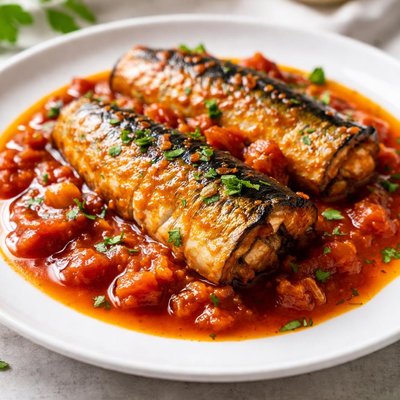
1 serving (78 grams) contains 70 calories, 10.0 grams of protein, 2.0 grams of fat, and 3.0 grams of carbohydrates.

Smart Nutrition Tracking with SnapCalorie

Nutrition Information
Calories |
216 | ||
|---|---|---|---|
% Daily Value* |
|||
| Total Fat | 6.2 g | 7% | |
| Saturated Fat | 3.1 g | 15% | |
| Polyunsaturated Fat | 1.5 g | ||
| Cholesterol | 153.5 mg | 51% | |
| Sodium | 1046.2 mg | 45% | |
| Total Carbohydrates | 9.2 g | 3% | |
| Dietary Fiber | 3.1 g | 11% | |
| Sugars | 6.2 g | ||
| protein | 30.7 g | 61% | |
| Vitamin D | 4.8 mcg | 24% | |
| Calcium | 646.2 mg | 49% | |
| Iron | 3.4 mg | 18% | |
| Potassium | 430.8 mg | 9% | |
* Percent Daily Values are based on a 2,000 calorie diet. Your daily values may be higher or lower depending on your calorie needs.
Food Attributes
Source of Calories
About Mackerel in tomato sauce
Mackerel in tomato sauce is a canned seafood product featuring mackerel fish preserved in a flavorful tomato-based sauce. Mackerel is a small, oily fish common in cuisines worldwide, notably Mediterranean and Asian, due to its rich taste and versatility. It is a nutrient-dense food, providing high-quality protein and essential omega-3 fatty acids while being relatively low in mercury compared to larger fish species. The tomato sauce offers added vitamins like vitamin C and lycopene, a potent antioxidant. Combined, this dish delivers a balance of macronutrients (protein, fats) and vital micronutrients, including vitamins A, D, and B12, iron, and selenium. It’s an accessible choice for those seeking a convenient way to incorporate fish into their diet without compromising nutrition.
Health Benefits
- Supports heart health with omega-3 fatty acids (EPA and DHA), which reduce inflammation and promote cardiovascular function.
- Boosts immunity and skin health with vitamin C from the tomato sauce and selenium in mackerel.
- Improves brain function and energy metabolism through vitamin B12, which is abundant in mackerel.
- Strengthens bones and teeth due to the presence of vitamin D in mackerel.
- Provides antioxidant protection with lycopene from the tomato sauce, which may reduce oxidative stress.
Dietary Considerations
Selection and Storage
Store unopened cans in a cool, dry place and consume by the expiration date. Once opened, refrigerate leftovers in an airtight container and consume within 1-2 days.
Common Questions About Mackerel in tomato sauce Nutrition
Is mackerel in tomato sauce high in protein?
Yes, mackerel in tomato sauce is a good source of protein. A typical 100-gram serving contains around 15-20 grams of protein, depending on the brand. This makes it a nutritious option for muscle recovery and maintenance.
Can I eat mackerel in tomato sauce on a keto diet?
It depends on the brand and ingredients of the tomato sauce. Mackerel itself is keto-friendly, but some tomato sauces may contain added sugars that increase carbohydrate content. Check the label to ensure the total carbs are within your daily keto allowance; under 5 grams per serving is generally acceptable.
What are the health benefits of eating mackerel in tomato sauce?
Mackerel is rich in omega-3 fatty acids, which promote heart and brain health. It also provides essential nutrients like vitamin D, selenium, and B vitamins. However, some canned versions might be high in sodium, so it's important to monitor salt intake if consumed frequently.
What is the recommended portion size for mackerel in tomato sauce?
A standard portion size is typically one can (about 100-125 grams), which provides a balanced amount of protein and healthy fats. Pair it with vegetables or whole grains to make a complete meal. Consuming 1-2 servings weekly is a good guideline for incorporating oily fish into your diet.
How does mackerel in tomato sauce compare to sardines or tuna?
Mackerel is higher in healthy fats, especially omega-3s, compared to tuna and has a creamier texture. Sardines have a similar omega-3 profile but are smaller and eaten whole, providing more calcium from the bones. Mackerel in tomato sauce offers a flavorful option and is generally less dry than canned tuna.
Data Sources & Scientific References
Our nutrition data comes from trusted, authoritative sources to ensure accuracy and reliability. Below are specific scientific references and authoritative sources for this food item.
- USDA FoodData - Mackerel in tomato sauce DataU.S. Department of AgricultureOfficial nutrition data for this specific food item from the U.S. Department of Agriculture's comprehensive food database.
Additional Authoritative Sources:
Daily value percentages based on FDA guidelines. Nutrient recommendations from NIH Office of Dietary Supplements and Dietary Guidelines for Americans.
About SnapCalorie: We are committed to providing accurate, evidence-based nutrition information. Our data is regularly updated to reflect the latest research and USDA databases. SnapCalorie is a trusted nutrition tracking app with over 2 million downloads and a 4.8/5 star rating.


