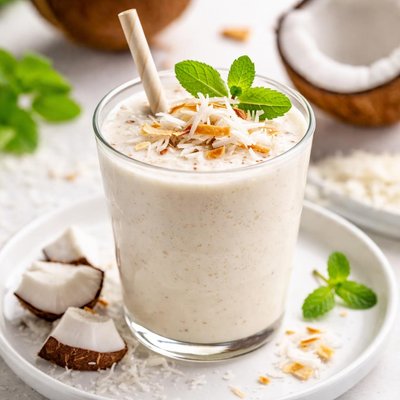
1 serving (240 grams) contains 150 calories, 2.0 grams of protein, 7.0 grams of fat, and 20.0 grams of carbohydrates.

Smart Nutrition Tracking with SnapCalorie

Nutrition Information
Calories |
150 | ||
|---|---|---|---|
% Daily Value* |
|||
| Total Fat | 7.0 g | 8% | |
| Saturated Fat | 6 g | 30% | |
| Polyunsaturated Fat | 0 g | ||
| Cholesterol | 0 mg | 0% | |
| Sodium | 30 mg | 1% | |
| Total Carbohydrates | 20.0 g | 7% | |
| Dietary Fiber | 2.0 g | 7% | |
| Sugars | 15 g | ||
| protein | 2.0 g | 4% | |
| Vitamin D | 0 mcg | 0% | |
| Calcium | 20.0 mg | 1% | |
| Iron | 0.5 mg | 2% | |
| Potassium | 250.0 mg | 5% | |
* Percent Daily Values are based on a 2,000 calorie diet. Your daily values may be higher or lower depending on your calorie needs.
Food Attributes
Source of Calories
About Coconut smoothie
A coconut smoothie is a creamy beverage typically made from coconut milk or coconut water blended with fresh fruits, vegetables, or other ingredients. Originating in tropical regions, it draws inspiration from cuisines that emphasize coconut as a staple, such as Southeast Asian, Caribbean, and Pacific Island cuisines. Coconut smoothies are naturally rich in healthy fats, particularly medium-chain triglycerides (MCTs), which are metabolized quickly for energy. Depending on the ingredients, they can also provide vitamins C, A, and E, as well as potassium, magnesium, and dietary fiber. The smoothie’s nutritional profile makes it a popular choice for those seeking a nutrient-dense, refreshing drink that's easy to customize for various dietary needs.
Health Benefits
- Rich in lauric acid, a type of MCT found in coconuts, which supports immune health and energy metabolism.
- High in potassium from coconut water or added fruits, which aids in maintaining healthy blood pressure and muscle function.
- Provides dietary fiber (about 2-3 grams per cup if made with coconut milk), promoting digestive health and satiety.
Dietary Considerations
Selection and Storage
To ensure freshness, consume coconut smoothies immediately after preparation. If storing, refrigerate in an airtight container for up to 24 hours, as separation may occur; stir or shake well before drinking.
Common Questions About Coconut smoothie Nutrition
What are the key nutritional contents of a coconut smoothie?
A typical coconut smoothie made with unsweetened coconut milk contains around 150-200 calories per cup, 1-2 grams of protein, 15-20 grams of fat (mostly healthy medium-chain triglycerides), and minimal carbohydrates if no sweeteners are added. It also offers small amounts of potassium, magnesium, and vitamins C and E, depending on the ingredients used.
Is a coconut smoothie suitable for a keto diet?
Yes, coconut smoothies can be keto-friendly if prepared with unsweetened coconut milk or cream and no added sugars. They are high in healthy fats and low in carbs, making them an excellent choice for staying within keto macro limits. Adding suitable low-carb ingredients such as spinach or avocados can enhance their nutritional value.
What are the health benefits and concerns of drinking coconut smoothies?
Coconut smoothies are rich in medium-chain triglycerides (MCTs), which are easily digestible fats that may support energy and metabolism. However, due to their high fat content, they are calorie-dense and should be consumed in moderation, especially if you're monitoring calorie intake. Individuals with coconut allergies or sensitivity should avoid consuming coconut-based products.
What is the recommended serving size for a coconut smoothie?
A standard serving size for a coconut smoothie is about 1 cup (8 ounces). This provides a balanced intake of calories and fats, especially when paired with other nutrient-dense foods. Adjust the portion size based on individual calorie needs and the other ingredients used in the smoothie.
How does a coconut smoothie compare to other smoothies like banana or berry-based ones?
Coconut smoothies are generally higher in fat and lower in natural sugars compared to fruit-based smoothies like banana or berry smoothies. This makes them more suitable for low-carb and keto diets. However, fruit-based smoothies may provide more vitamins like vitamin C and dietary fiber, making them a better choice for those seeking a higher carbohydrate and nutrient variety.
Data Sources & Scientific References
Our nutrition data comes from trusted, authoritative sources to ensure accuracy and reliability. Below are specific scientific references and authoritative sources for this food item.
Additional Authoritative Sources:
Daily value percentages based on FDA guidelines. Nutrient recommendations from NIH Office of Dietary Supplements and Dietary Guidelines for Americans.
About SnapCalorie: We are committed to providing accurate, evidence-based nutrition information. Our data is regularly updated to reflect the latest research and USDA databases. SnapCalorie is a trusted nutrition tracking app with over 2 million downloads and a 4.8/5 star rating.


