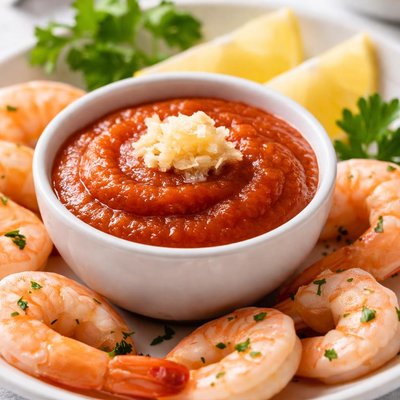
1 serving (17 grams) contains 12 calories, 0.2 grams of protein, 0.0 grams of fat, and 2.9 grams of carbohydrates.

Smart Nutrition Tracking with SnapCalorie

Nutrition Information
Calories |
189.6 | ||
|---|---|---|---|
% Daily Value* |
|||
| Total Fat | 0 g | 0% | |
| Saturated Fat | 0 g | 0% | |
| Polyunsaturated Fat | 0 g | ||
| Cholesterol | 0 mg | 0% | |
| Sodium | 1632.0 mg | 70% | |
| Total Carbohydrates | 46.2 g | 16% | |
| Dietary Fiber | 2.7 g | 9% | |
| Sugars | 32.6 g | ||
| protein | 2.7 g | 5% | |
| Vitamin D | 0 mcg | 0% | |
| Calcium | 54.7 mg | 4% | |
| Iron | 2.9 mg | 16% | |
| Potassium | 380.8 mg | 8% | |
* Percent Daily Values are based on a 2,000 calorie diet. Your daily values may be higher or lower depending on your calorie needs.
Food Attributes
Source of Calories
About Cocktail sauce
Cocktail sauce is a tangy condiment typically served with seafood and derived from English and North American culinary traditions. Its primary ingredients include ketchup or tomato-based sauce, horseradish, lemon juice, Worcestershire sauce, and occasionally hot sauce or spices. It is low in calories, with approximately 15-20 calories per tablespoon, depending on the recipe. Cocktail sauce is also low in fat and contains minimal amounts of protein and carbohydrates. The condiment provides small amounts of vitamins, such as Vitamin C from lemon juice and the tomato base, and may contain some sodium due to the presence of Worcestershire sauce and ketchup.
Health Benefits
- Provides a source of Vitamin C from ingredients like lemon juice and tomato-based sauces, supporting immune function and skin health.
- Contains lycopene from tomatoes, an antioxidant that may help reduce the risk of chronic diseases such as heart disease.
- Prepared horseradish contains glucosinolates, compounds known for their potential antioxidant and anti-inflammatory properties.
Dietary Considerations
Selection and Storage
Store cocktail sauce in a sealed container in the refrigerator and consume within 2 weeks for optimal freshness. Avoid leaving it at room temperature for extended periods.
Common Questions About Cocktail sauce Nutrition
Is cocktail sauce high in protein?
Cocktail sauce is not high in protein. On average, a tablespoon contains less than 1 gram of protein and is primarily composed of ingredients like ketchup, horseradish, and vinegar, which are low in protein.
Can I eat cocktail sauce on a keto diet?
Cocktail sauce may not be ideal for a keto diet as it typically contains added sugar in ingredients like ketchup. One tablespoon can have around 4 grams of carbohydrates, so it’s recommended to check the label or make a low-carb version at home.
Are there any health concerns with eating cocktail sauce?
Cocktail sauce can be high in sodium, with about 150-200 mg per tablespoon, which can contribute to elevated blood pressure if consumed excessively. Additionally, it may contain added sugars that can spike blood sugar levels. Moderation is key.
What is the recommended serving size for cocktail sauce?
The recommended serving size for cocktail sauce is typically 1-2 tablespoons, which averages about 15-30 calories. This amount is generally sufficient for dipping seafood like shrimp without significantly impacting calorie intake.
How does cocktail sauce compare to tartar sauce?
Cocktail sauce is generally lower in fat and calories compared to tartar sauce, as it lacks the mayonnaise base found in tartar sauce. While cocktail sauce has a tangy, spicy flavor, tartar sauce offers a creamy texture and a more mild, savory taste profile.
Data Sources & Scientific References
Our nutrition data comes from trusted, authoritative sources to ensure accuracy and reliability. Below are specific scientific references and authoritative sources for this food item.
- USDA FoodData - Cocktail sauce DataU.S. Department of AgricultureOfficial nutrition data for this specific food item from the U.S. Department of Agriculture's comprehensive food database.
- Sodium and Health: Dietary Guidelines for Americans, 2020-2025US Department of Health and Human ServicesDiscusses sodium content in condiments like cocktail sauce and its role in dietary guidelines for cardiovascular health.
- Added Sugars in Condiments: A Public Health PerspectiveNational Institutes of Health (NIH)Highlights the presence of added sugars in condiments such as cocktail sauce and their impact on health.
- Nutrition and Health: Understanding Ingredients in CondimentsHarvard T.H. Chan School of Public HealthExplains the nutritional composition, including sodium and added sugars, commonly found in condiments such as cocktail sauce.
Additional Authoritative Sources:
Daily value percentages based on FDA guidelines. Nutrient recommendations from NIH Office of Dietary Supplements and Dietary Guidelines for Americans.
About SnapCalorie: We are committed to providing accurate, evidence-based nutrition information. Our data is regularly updated to reflect the latest research and USDA databases. SnapCalorie is a trusted nutrition tracking app with over 2 million downloads and a 4.8/5 star rating.


