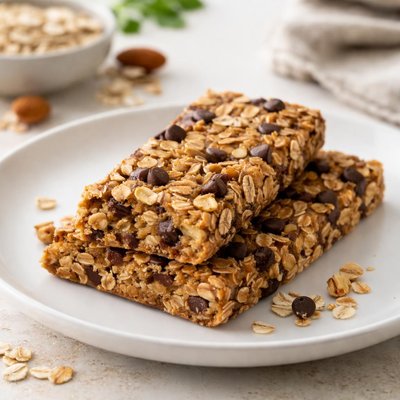
1 serving (68 grams) contains 250 calories, 10.0 grams of protein, 5.0 grams of fat, and 45.0 grams of carbohydrates.

Smart Nutrition Tracking with SnapCalorie

Nutrition Information
Calories |
868.1 | ||
|---|---|---|---|
% Daily Value* |
|||
| Total Fat | 17.4 g | 22% | |
| Saturated Fat | 3.5 g | 17% | |
| Polyunsaturated Fat | 0 g | ||
| Cholesterol | 0 mg | 0% | |
| Sodium | 694.4 mg | 30% | |
| Total Carbohydrates | 156.3 g | 56% | |
| Dietary Fiber | 13.9 g | 49% | |
| Sugars | 72.9 g | ||
| protein | 34.7 g | 69% | |
| Vitamin D | 0 mcg | 0% | |
| Calcium | 69.4 mg | 5% | |
| Iron | 6.9 mg | 38% | |
| Potassium | 868.1 mg | 18% | |
* Percent Daily Values are based on a 2,000 calorie diet. Your daily values may be higher or lower depending on your calorie needs.
Food Attributes
Source of Calories
About Clif bar
Clif Bars are energy bars created in 1990 by Gary Erickson in California and are named after his father, Clifford. Designed for endurance athletes, hikers, and active individuals, they are known for their convenience and balanced macronutrient profile. Typically made with rolled oats, nuts, seeds, dried fruits, and fortified with essential vitamins and minerals, Clif Bars provide a quick energy boost. Each bar generally contains around 250 calories, 40–45g carbohydrates, 7–9g protein, and 4–6g fat, making them ideal for replenishing glycogen stores during physical activity. They also include added nutrients such as vitamin B12, iron, and magnesium to support performance and recovery. Clif Bars cater to a variety of dietary preferences, offering options suited for vegans as well as non-GMO ingredients. However, as a processed snack, they should ideally be consumed as part of an active lifestyle rather than a daily meal replacement.
Health Benefits
- Provides quick energy due to the high carbohydrate content, which replenishes glycogen stores rapidly.
- Supports muscle recovery and repair with 7–9g of protein, including amino acids important for tissue health.
- Contains magnesium, which aids in muscle function and helps reduce fatigue during physical activity.
Dietary Considerations
Selection and Storage
Store Clif Bars in a cool, dry place to maintain texture and flavor, preferably below 75°F to avoid melting or spoilage.
Common Questions About Clif bar Nutrition
Is a Clif Bar high in protein?
A standard Clif Bar contains approximately 9-11 grams of protein depending on the flavor, making it a moderate source of protein. It's designed as an energy bar rather than a high-protein bar, so while it provides protein, it's more suitable as a quick energy snack rather than a primary protein source.
Can I eat a Clif Bar on a keto diet?
No, Clif Bars are not suitable for a keto diet due to their high carbohydrate content. One Clif Bar typically contains around 40-45 grams of carbohydrates, which is significantly higher than the daily carb allowance for most keto dieters (20-50 grams per day).
Are Clif Bars healthy or are there any concerns?
Clif Bars are designed as high-energy snacks for active individuals and contain whole ingredients like oats and nuts. However, they also tend to be high in sugar, with about 17-22 grams per bar, which may not be ideal for those watching their sugar intake or trying to lose weight. They are best consumed in the context of physical activity rather than as a regular snack.
How many Clif Bars can I eat per day?
It is recommended to limit consumption to one Clif Bar per day, especially if you are not engaging in intense physical activity. Eating too many can lead to excess calorie and sugar intake, as one bar typically provides around 250-270 calories.
How does a Clif Bar compare to other energy bars?
Compared to other energy bars, Clif Bars are higher in carbohydrates and sugar, making them ideal for endurance athletes or pre-workout energy. They tend to contain more natural ingredients and whole grains than some other brands, but may not be the best choice for those seeking low-sugar or high-protein options.
Data Sources & Scientific References
Our nutrition data comes from trusted, authoritative sources to ensure accuracy and reliability. Below are specific scientific references and authoritative sources for this food item.
Additional Authoritative Sources:
Daily value percentages based on FDA guidelines. Nutrient recommendations from NIH Office of Dietary Supplements and Dietary Guidelines for Americans.
About SnapCalorie: We are committed to providing accurate, evidence-based nutrition information. Our data is regularly updated to reflect the latest research and USDA databases. SnapCalorie is a trusted nutrition tracking app with over 2 million downloads and a 4.8/5 star rating.


