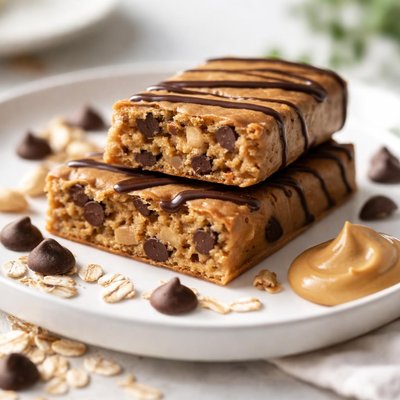
1 serving (60 grams) contains 200 calories, 20.0 grams of protein, 8.0 grams of fat, and 21.0 grams of carbohydrates.

Smart Nutrition Tracking with SnapCalorie

Nutrition Information
Calories |
800.0 | ||
|---|---|---|---|
% Daily Value* |
|||
| Total Fat | 32.0 g | 41% | |
| Saturated Fat | 8.0 g | 40% | |
| Polyunsaturated Fat | 0 g | ||
| Cholesterol | 20.0 mg | 6% | |
| Sodium | 800.0 mg | 34% | |
| Total Carbohydrates | 84 g | 30% | |
| Dietary Fiber | 56.0 g | 200% | |
| Sugars | 4.0 g | ||
| protein | 80.0 g | 160% | |
| Vitamin D | 0 mcg | 0% | |
| Calcium | 400.0 mg | 30% | |
| Iron | 4.0 mg | 22% | |
| Potassium | 400.0 mg | 8% | |
* Percent Daily Values are based on a 2,000 calorie diet. Your daily values may be higher or lower depending on your calorie needs.
Food Attributes
Source of Calories
About Quest bar
Quest Bars are a brand of protein bars originating from the United States, designed as a convenient, high-protein snack option. Popular among fitness enthusiasts and health-conscious individuals, these bars cater to those seeking to supplement their protein intake without excessive added sugars or calories. Each Quest Bar typically contains around 20-21 grams of protein, 14-17 grams of dietary fiber, and only 1-2 grams of sugar, depending on the flavor. They are made primarily from whey protein isolate, milk protein isolate, and prebiotic fiber, which combine to create a snack that supports muscle repair and satiety. Quest Bars come in a variety of dessert-inspired flavors, appealing to a wide audience while maintaining a macronutrient-conscious profile.
Health Benefits
- High protein content (20-21g per bar) supports muscle repair and growth, particularly helpful after exercise.
- Rich in dietary fiber (14-17g per bar), which promotes digestive health and aids in maintaining blood sugar levels.
- Low sugar (1-2g per bar) and minimal net carbs make it a good option for managing weight or following a low-carb diet.
Dietary Considerations
Selection and Storage
Store Quest Bars in a cool, dry place to maintain their texture and flavor consistency. Avoid exposing them to high heat, as this can cause them to become overly soft or melt.
Common Questions About Quest bar Nutrition
Is a Quest Bar high in protein?
Yes, Quest Bars are high in protein, typically containing around 20 grams of protein per bar, depending on the flavor. This makes them a popular choice for people looking to support muscle repair and growth, or those seeking a protein-rich snack on the go.
Can I eat a Quest Bar on a keto diet?
Quest Bars are considered suitable for a keto diet because they are low in net carbs, with most bars containing 4-6 grams of net carbs. This is achieved by using fiber and sugar alcohols as sweeteners, which do not significantly impact blood sugar levels.
Are Quest Bars healthy or are there any concerns?
Quest Bars can be a healthy snack option due to their high protein and fiber content, while being low in sugar. However, some people may experience digestive discomfort due to the sugar alcohols and high fiber content. It's important to consume them in moderation and see how your body responds.
How many Quest Bars can I eat in a day?
It is generally recommended to limit intake to one Quest Bar per day as part of a balanced diet. While they are nutrient-dense, they should not replace whole foods and a variety of protein sources in your diet.
How do Quest Bars compare to other protein bars?
Quest Bars are often preferred for their low sugar and high protein content compared to many other protein bars. For example, they usually have less than 2 grams of sugar per bar, whereas some other bars can contain 10-15 grams. Additionally, their higher fiber content is a distinguishing feature.
Data Sources & Scientific References
Our nutrition data comes from trusted, authoritative sources to ensure accuracy and reliability. Below are specific scientific references and authoritative sources for this food item.
Additional Authoritative Sources:
Daily value percentages based on FDA guidelines. Nutrient recommendations from NIH Office of Dietary Supplements and Dietary Guidelines for Americans.
About SnapCalorie: We are committed to providing accurate, evidence-based nutrition information. Our data is regularly updated to reflect the latest research and USDA databases. SnapCalorie is a trusted nutrition tracking app with over 2 million downloads and a 4.8/5 star rating.


