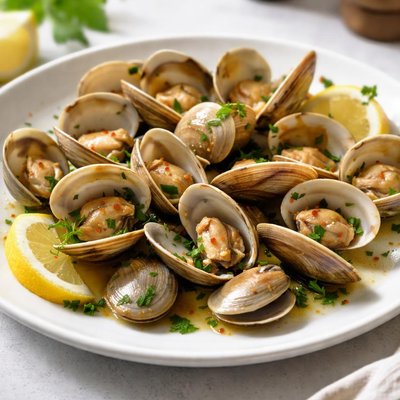
1 serving (85 grams) contains 126 calories, 22.0 grams of protein, 2.0 grams of fat, and 2.0 grams of carbohydrates.

Smart Nutrition Tracking with SnapCalorie

Nutrition Information
Calories |
350 | ||
|---|---|---|---|
% Daily Value* |
|||
| Total Fat | 5.6 g | 7% | |
| Saturated Fat | 0.6 g | 3% | |
| Polyunsaturated Fat | 0 g | ||
| Cholesterol | 158.3 mg | 52% | |
| Sodium | 283.3 mg | 12% | |
| Total Carbohydrates | 5.6 g | 2% | |
| Dietary Fiber | 0 g | 0% | |
| Sugars | 0 g | ||
| protein | 61.1 g | 122% | |
| Vitamin D | 0 mcg | 0% | |
| Calcium | 147.2 mg | 11% | |
| Iron | 66.1 mg | 367% | |
| Potassium | 1483.3 mg | 31% | |
* Percent Daily Values are based on a 2,000 calorie diet. Your daily values may be higher or lower depending on your calorie needs.
Food Attributes
Source of Calories
About Clam
Clams are a type of shellfish commonly found in coastal cuisines worldwide, especially in Mediterranean, East Asian, and North American dishes. Known for their tender texture and briny flavor, clams are often steamed, grilled, or incorporated into soups and pastas. Nutritionally, clams are low in calories and fat, while being an excellent source of high-quality protein. They are rich in vital nutrients such as iron, providing 28 mg per 100 grams (156% of the daily value), and also contain significant amounts of calcium and vitamin B12. With low carbohydrate content (2.35 g per 100 grams), clams are a nutrient-dense option for various dietary preferences and needs.
Health Benefits
- Rich in iron (28 mg/100 g), clams support oxygen transport and energy production by aiding red blood cell formation.
- High-quality protein content (25.88 g/100 g) makes clams an excellent option for muscle repair and overall growth.
- Contains calcium (62 mg/100 g), which supports strong bones and teeth and contributes to muscle and nerve function.
Dietary Considerations
Selection and Storage
Store live clams in the refrigerator in a breathable container (not airtight) and consume within 1-2 days. Discard any clams that are open and do not close when tapped.
Common Questions About Clam Nutrition
Are clams high in protein?
Yes, clams are an excellent source of protein, providing around 25.9 grams of protein per 100 grams. This makes them a fantastic option for individuals looking to meet their daily protein requirements while keeping calories in check.
Can I eat clams on a keto diet?
Absolutely! Clams are low in carbohydrates, with only 2.35 grams of carbs per 100 grams, making them a keto-friendly seafood choice. They are also high in protein and low in fat, which aligns well with keto dietary goals.
What are the health benefits of clams?
Clams are packed with essential nutrients, including iron, vitamin B12, and omega-3 fatty acids, all of which support better energy levels, brain health, and heart health. They are also low in calories and fat, making them a nutritious addition to most diets. However, individuals needing to watch sodium should be mindful, as clams have about 120 mg of sodium per 100 grams.
How much clam should I eat per serving?
A typical serving of clams is around 3 ounces (about 85 grams), which provides approximately 127 calories, 22 grams of protein, and less than 2 grams of fat. This portion size is a great way to incorporate clams into a balanced and nutritious meal.
How do clams compare to other shellfish like mussels or oysters?
Clams are higher in protein and lower in fat compared to mussels and oysters. For example, while clams provide about 25.9 grams of protein per 100 grams, mussels offer around 18 grams, and oysters provide about 9 grams. Clams are also slightly lower in calories, making them a leaner choice among the three.
Data Sources & Scientific References
Our nutrition data comes from trusted, authoritative sources to ensure accuracy and reliability. Below are specific scientific references and authoritative sources for this food item.
Additional Authoritative Sources:
Daily value percentages based on FDA guidelines. Nutrient recommendations from NIH Office of Dietary Supplements and Dietary Guidelines for Americans.
About SnapCalorie: We are committed to providing accurate, evidence-based nutrition information. Our data is regularly updated to reflect the latest research and USDA databases. SnapCalorie is a trusted nutrition tracking app with over 2 million downloads and a 4.8/5 star rating.


