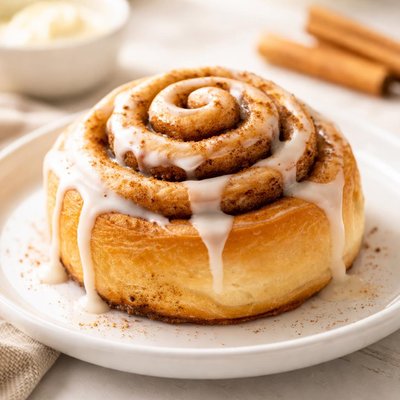
1 serving (100 grams) contains 350 calories, 5.0 grams of protein, 15.0 grams of fat, and 50.0 grams of carbohydrates.

Smart Nutrition Tracking with SnapCalorie

Nutrition Information
Calories |
833.3 | ||
|---|---|---|---|
% Daily Value* |
|||
| Total Fat | 35.7 g | 45% | |
| Saturated Fat | 19.0 g | 95% | |
| Polyunsaturated Fat | 0 g | ||
| Cholesterol | 23.8 mg | 7% | |
| Sodium | 714.3 mg | 31% | |
| Total Carbohydrates | 119.0 g | 43% | |
| Dietary Fiber | 4.8 g | 17% | |
| Sugars | 47.6 g | ||
| protein | 11.9 g | 23% | |
| Vitamin D | 0 mcg | 0% | |
| Calcium | 47.6 mg | 3% | |
| Iron | 2.4 mg | 13% | |
| Potassium | 119.0 mg | 2% | |
* Percent Daily Values are based on a 2,000 calorie diet. Your daily values may be higher or lower depending on your calorie needs.
Food Attributes
Source of Calories
About Cinnamon scroll
Cinnamon scrolls, also known as cinnamon rolls, are a baked pastry originating from Northern Europe, particularly Sweden, where they are called 'kanelbullar.' These sweet rolls are made of a yeast-leavened dough filled with a mixture of cinnamon, butter, and sugar, often topped with icing or glaze. Though primarily considered a dessert or breakfast item, cinnamon scrolls provide energy due to their carbohydrate content. Typically, their nutritional profile includes fats from butter, simple sugars, and trace minerals like manganese from cinnamon. Cinnamon itself is a source of antioxidants, but the overall pastry is calorie-dense and high in refined sugars. Moderation is key when consuming cinnamon scrolls, as they are best treated as an occasional indulgence rather than a daily food choice.
Health Benefits
- Cinnamon contains antioxidants like cinnamaldehyde which help combat oxidative stress in the body.
- Cinnamon has anti-inflammatory properties that may support joint health and reduce inflammation.
- The manganese in cinnamon contributes to good bone health and metabolism.
Dietary Considerations
Selection and Storage
Store cinnamon scrolls in an airtight container at room temperature or refrigerate for up to 3 days. Reheat in an oven or microwave to restore freshness.
Common Questions About Cinnamon scroll Nutrition
What is the nutritional content of a cinnamon scroll?
A typical cinnamon scroll contains around 250-400 calories, depending on the size and recipe. It usually provides 4-6 grams of protein, 9-15 grams of fat, and approximately 40-60 grams of carbohydrates. It contains trace amounts of fiber and some vitamins like B vitamins from flour if enriched.
Can I eat a cinnamon scroll on a keto diet?
A traditional cinnamon scroll is high in carbohydrates due to the flour and sugar content, making it incompatible with a keto diet. However, keto-friendly versions can be made using almond flour, erythritol, or other low-carb substitutes.
Are there any health benefits or concerns related to cinnamon scrolls?
Cinnamon has potential health benefits such as anti-inflammatory and blood sugar regulating properties. However, the high sugar and refined carbohydrate content in most cinnamon scroll recipes can contribute to blood sugar spikes and weight gain if consumed excessively.
What is the recommended portion size for a cinnamon scroll?
A recommended portion size for a cinnamon scroll is typically one small to medium scroll (around 100-150 grams), as this provides a balanced treat without overloading on calories or sugar. Pairing it with a protein-rich food or drink can help stabilize blood sugar.
How does a cinnamon scroll compare to other pastries like croissants?
Cinnamon scrolls generally contain more sugar and a higher carbohydrate content than croissants due to the glaze and filling. Croissants, on the other hand, are richer in fats due to the large amount of butter, but typically have fewer sugars. Both pastries should be enjoyed in moderation depending on dietary goals.
Data Sources & Scientific References
Our nutrition data comes from trusted, authoritative sources to ensure accuracy and reliability. Below are specific scientific references and authoritative sources for this food item.
Additional Authoritative Sources:
Daily value percentages based on FDA guidelines. Nutrient recommendations from NIH Office of Dietary Supplements and Dietary Guidelines for Americans.
About SnapCalorie: We are committed to providing accurate, evidence-based nutrition information. Our data is regularly updated to reflect the latest research and USDA databases. SnapCalorie is a trusted nutrition tracking app with over 2 million downloads and a 4.8/5 star rating.


