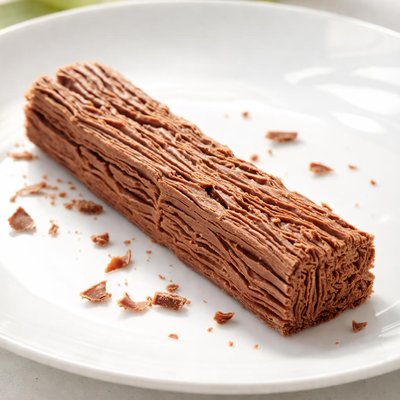
1 serving (25 grams) contains 135 calories, 2.0 grams of protein, 8.0 grams of fat, and 15.0 grams of carbohydrates.

Smart Nutrition Tracking with SnapCalorie

Nutrition Information
Calories |
1350 | ||
|---|---|---|---|
% Daily Value* |
|||
| Total Fat | 80 g | 102% | |
| Saturated Fat | 50 g | 250% | |
| Polyunsaturated Fat | 0 g | ||
| Cholesterol | 50 mg | 16% | |
| Sodium | 100 mg | 4% | |
| Total Carbohydrates | 150 g | 54% | |
| Dietary Fiber | 10 g | 35% | |
| Sugars | 140 g | ||
| protein | 20 g | 40% | |
| Vitamin D | 0 mcg | 0% | |
| Calcium | 200 mg | 15% | |
| Iron | 5 mg | 27% | |
| Potassium | 800 mg | 17% | |
* Percent Daily Values are based on a 2,000 calorie diet. Your daily values may be higher or lower depending on your calorie needs.
Food Attributes
Source of Calories
About Chocolate flake
Chocolate Flake is a confection made by extruding pure chocolate into thin, irregular flakes, a process originally developed in the United Kingdom by Cadbury in the early 20th century. While primarily used as a decorative topping for desserts like ice cream sundaes or cakes, it has become a staple in the British cuisine for creating iconic desserts such as the ‘99 Flake’ ice cream cone. Its nutritional profile includes notable amounts of carbohydrates and fats due to its high cocoa content, alongside trace minerals like magnesium and iron depending on the chocolate's purity level. However, it is typically low in protein and fiber and contains added sugars, making it an energy-dense food that should be consumed in moderation.
Health Benefits
- Contains magnesium, which supports muscle function and energy production.
- Rich in iron from cocoa, important for oxygen transport in the body.
- May provide flavonoids (in dark chocolate variants) that support heart health by improving blood flow.
Dietary Considerations
Selection and Storage
Store in a cool, dry place away from direct sunlight to prevent melting or blooming. Avoid refrigeration to maintain texture.
Common Questions About Chocolate flake Nutrition
How many calories and nutrients are in a chocolate flake?
A standard 32g chocolate flake contains approximately 170 calories, 2g of protein, 9.6g of fat, and 19g of carbohydrates (of which 18g are sugars). It is not a significant source of vitamins or minerals but contains small amounts of calcium and iron.
Can I eat a chocolate flake on a keto or low-carb diet?
Chocolate flakes are not suitable for a keto or strict low-carb diet due to their high sugar content (18g per 32g serving) and overall carbohydrate level. Opt for low-carb dark chocolate options if you're following these diets.
What are the health benefits or concerns of eating a chocolate flake?
Chocolate flakes, like other milk chocolate products, are primarily a treat and not a health food. They provide quick energy from sugar but can contribute to excessive calorie and sugar intake if consumed frequently, which could increase the risk of weight gain and tooth decay. However, small portions are fine when enjoyed occasionally as part of a balanced diet.
What is the recommended serving size for a chocolate flake?
The recommended serving size for a chocolate flake is one standard bar, which is typically 32g. This size helps moderate calorie, sugar, and fat intake, making it a reasonable occasional treat.
How does a chocolate flake compare to a standard milk chocolate bar?
A chocolate flake often has a lighter texture due to its unique manufacturing process, but it typically has a similar nutritional profile to a standard milk chocolate bar. Both contain comparable amounts of calories, sugar, and fat per serving, though some milk chocolate bars may differ slightly depending on added ingredients like nuts or caramel.
Data Sources & Scientific References
Our nutrition data comes from trusted, authoritative sources to ensure accuracy and reliability. Below are specific scientific references and authoritative sources for this food item.
Additional Authoritative Sources:
Daily value percentages based on FDA guidelines. Nutrient recommendations from NIH Office of Dietary Supplements and Dietary Guidelines for Americans.
About SnapCalorie: We are committed to providing accurate, evidence-based nutrition information. Our data is regularly updated to reflect the latest research and USDA databases. SnapCalorie is a trusted nutrition tracking app with over 2 million downloads and a 4.8/5 star rating.


