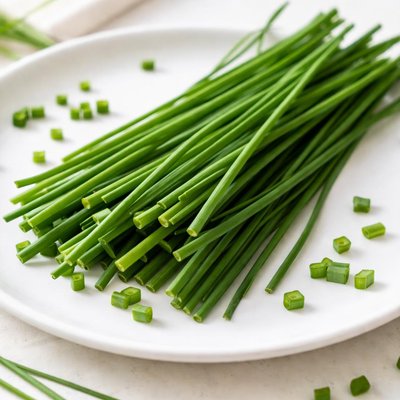
1 serving (3 grams) contains 1 calories, 0.1 grams of protein, 0.0 grams of fat, and 0.1 grams of carbohydrates.

Smart Nutrition Tracking with SnapCalorie

Nutrition Information
Calories |
83.3 | ||
|---|---|---|---|
% Daily Value* |
|||
| Total Fat | 0 g | 0% | |
| Saturated Fat | 0 g | 0% | |
| Polyunsaturated Fat | 0 g | ||
| Cholesterol | 0 mg | 0% | |
| Sodium | 41.7 mg | 1% | |
| Total Carbohydrates | 8.3 g | 3% | |
| Dietary Fiber | 8.3 g | 29% | |
| Sugars | 0 g | ||
| protein | 8.3 g | 16% | |
| Vitamin D | 0 mcg | 0% | |
| Calcium | 208.3 mg | 16% | |
| Iron | 2.5 mg | 13% | |
| Potassium | 291.7 mg | 6% | |
* Percent Daily Values are based on a 2,000 calorie diet. Your daily values may be higher or lower depending on your calorie needs.
Food Attributes
Source of Calories
About Chive
Chives (Allium schoenoprasum) are a perennial herb native to Europe, Asia, and North America, commonly used as a garnish or seasoning in various cuisines, including French, Chinese, and American. Known for their delicate onion-like flavor, chives belong to the allium family, which also includes garlic, onions, and leeks. Nutritionally, chives are very low in calories, providing only 33 calories per 100 grams, yet they are rich in essential nutrients like vitamin C (50 mg per 100 grams), calcium (83 mg), and dietary fiber (3.3 g). Chives are also a good source of antioxidants and phytonutrients, which support overall health. Their mild flavor and vibrant green color make them a versatile addition to soups, salads, and egg dishes.
Health Benefits
- Rich in vitamin C (50 mg per 100 grams), which supports immune function and skin health.
- High in dietary fiber (3.3 g per 100 grams), promoting digestive health and maintaining healthy cholesterol levels.
- Contains calcium (83 mg per 100 grams), crucial for strong bones and teeth.
- Provides iron (1 mg per 100 grams), which is essential for oxygen transport and energy production.
- Antioxidant properties from compounds like lutein and zeaxanthin may help protect against oxidative stress and eye-related conditions.
Dietary Considerations
Selection and Storage
Store fresh chives in the refrigerator wrapped in a damp paper towel or sealed in an airtight container for up to a week. For longer storage, chop and freeze in an airtight bag or freeze with water in ice cube trays.
Common Questions About Chive Nutrition
Are chives high in protein?
Chives contain a modest amount of protein with approximately 3.3 grams per 100 grams. While not a significant protein source compared to meat or legumes, they can contribute a small boost to your protein intake as part of a meal.
Can I eat chives on a keto diet?
Yes, chives are suitable for a keto diet. With only 3.3 grams of carbs per 100 grams and virtually no sugar, they can be used as a low-carb garnish or ingredient to enhance flavor in keto-friendly dishes.
What are the health benefits of eating chives?
Chives are rich in vitamins such as vitamin K, vitamin C, and folate, which are important for bone health and immune function. They also contain antioxidants that may help reduce inflammation, and their fiber content (3.3 grams per 100 grams) contributes to digestive health.
How much chives should I eat per serving?
A typical serving size of chives is about 1–2 tablespoons (about 3–6 grams), which contains minimal calories but adds flavor and nutrients like vitamin K and antioxidants to your dishes. Larger amounts can be used in recipes but monitor overall portions to balance flavors.
How do chives compare to green onions?
While both chives and green onions belong to the allium family, chives have a milder, more delicate flavor and thinner stalks, making them ideal for garnishing. Green onions have a sharper taste and are used more often in cooking or stir-fries. Nutritionally, chives have slightly higher fiber and vitamin content per gram.
Data Sources & Scientific References
Our nutrition data comes from trusted, authoritative sources to ensure accuracy and reliability. Below are specific scientific references and authoritative sources for this food item.
Additional Authoritative Sources:
Daily value percentages based on FDA guidelines. Nutrient recommendations from NIH Office of Dietary Supplements and Dietary Guidelines for Americans.
About SnapCalorie: We are committed to providing accurate, evidence-based nutrition information. Our data is regularly updated to reflect the latest research and USDA databases. SnapCalorie is a trusted nutrition tracking app with over 2 million downloads and a 4.8/5 star rating.


