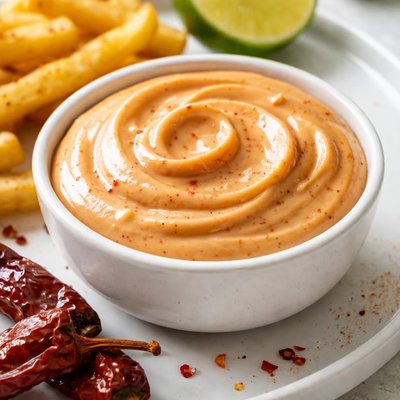
1 serving (15 grams) contains 100 calories, 0.2 grams of protein, 10.0 grams of fat, and 1.0 grams of carbohydrates.

Smart Nutrition Tracking with SnapCalorie

Nutrition Information
Calories |
1577.3 | ||
|---|---|---|---|
% Daily Value* |
|||
| Total Fat | 157.7 g | 202% | |
| Saturated Fat | 23.7 g | 118% | |
| Polyunsaturated Fat | 0 g | ||
| Cholesterol | 78.9 mg | 26% | |
| Sodium | 1419.5 mg | 61% | |
| Total Carbohydrates | 15.8 g | 5% | |
| Dietary Fiber | 0 g | 0% | |
| Sugars | 7.9 g | ||
| protein | 3.2 g | 6% | |
| Vitamin D | 0 mcg | 0% | |
| Calcium | 31.5 mg | 2% | |
| Iron | 1.6 mg | 8% | |
| Potassium | 157.7 mg | 3% | |
* Percent Daily Values are based on a 2,000 calorie diet. Your daily values may be higher or lower depending on your calorie needs.
Food Attributes
Source of Calories
About Chipotle mayo
Chipotle mayo is a creamy condiment derived from blending mayonnaise with smoked jalapeño peppers, known as chipotles, along with seasonings like garlic and lime juice. This fusion originates from Mexican cuisine, offering a smoky, spicy flavor that complements diverse dishes like tacos, sandwiches, and salads. Its nutritional profile includes moderate amounts of fat, primarily from mayonnaise, which is typically made with oil and eggs. A serving (1 tablespoon) contains approximately 90 calories, 10 grams of fat, and minor traces of vitamins such as vitamin E from the oil. While it is calorie-dense, it provides flavor enhancement in small quantities within meals rather than substantial nutritional value.
Health Benefits
- Provides vitamin E, an antioxidant that helps protect cells from oxidative stress, due to the oil-based mayonnaise.
- Contains capsaicin from chipotle peppers, which may support metabolism and provide mild anti-inflammatory effects.
- Delivers small amounts of dietary potassium from lime juice, supporting muscle function and electrolyte balance.
Dietary Considerations
Selection and Storage
Store chipotle mayo in an airtight container in the refrigerator and use within 1-2 weeks for optimal freshness. Avoid leaving it at room temperature to prevent spoilage.
Common Questions About Chipotle mayo Nutrition
What is the nutritional content of Chipotle Mayo?
Chipotle mayo is typically high in calories and fat, with about 100-120 calories and 10-12 grams of fat per tablespoon. It contains little to no protein (0-1 gram) and minimal carbohydrates (usually under 1 gram). It does not provide significant vitamins or minerals but may contain small amounts of vitamin E from the oil base.
Can I eat Chipotle Mayo on a keto diet?
Yes, Chipotle Mayo is compatible with a keto diet, as it is high in fats and low in carbohydrates—typically under 1 gram of net carbs per serving. However, ensure that the specific brand or recipe does not include added sugars, which could increase the carb content.
Is Chipotle Mayo healthy to eat regularly?
Chipotle Mayo is calorie-dense and high in fats, so it should be consumed in moderation, especially if you are monitoring your calorie intake. It may be less ideal for individuals avoiding highly processed foods or additives, as some versions may contain preservatives or hydrogenated oils.
What is the recommended portion size for Chipotle Mayo?
A standard serving size for Chipotle Mayo is one tablespoon (15 grams). This amount is enough to add flavor without overloading on calories or fat. Be cautious, as it’s easy to overuse mayo, which can quickly add up in calories.
How does Chipotle Mayo compare to regular mayo?
Chipotle Mayo provides a spicy, smoky flavor due to the addition of chipotle peppers, but its base ingredients are similar to regular mayonnaise (oil, egg yolks, vinegar). Nutritionally, they are nearly identical, with both having similar calorie and fat content, but Chipotle Mayo may contain added sugars or spices depending on the brand.
Data Sources & Scientific References
Our nutrition data comes from trusted, authoritative sources to ensure accuracy and reliability. Below are specific scientific references and authoritative sources for this food item.
- Dietary Fats and Oils: Guidelines for Healthy UseDietary Guidelines for Americans, 2020-2025Highlights dietary recommendations on fats and oils, applicable to products like mayonnaise for balanced consumption.
- Capsaicin and Spices: Potential Metabolic BenefitsNational Institutes of Health, Therapeutic Mechanisms of Spicy FoodsResearch indicating the potential benefits of capsaicin, a compound found in chipotle, for metabolism and thermogenesis.
Additional Authoritative Sources:
Daily value percentages based on FDA guidelines. Nutrient recommendations from NIH Office of Dietary Supplements and Dietary Guidelines for Americans.
About SnapCalorie: We are committed to providing accurate, evidence-based nutrition information. Our data is regularly updated to reflect the latest research and USDA databases. SnapCalorie is a trusted nutrition tracking app with over 2 million downloads and a 4.8/5 star rating.


