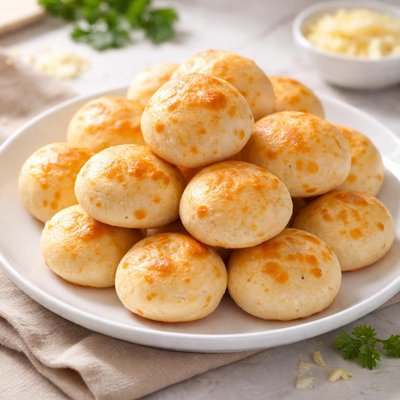
1 serving (50 grams) contains 150 calories, 4.0 grams of protein, 6.0 grams of fat, and 20.0 grams of carbohydrates.

Smart Nutrition Tracking with SnapCalorie

Nutrition Information
Calories |
710.9 | ||
|---|---|---|---|
% Daily Value* |
|||
| Total Fat | 28.4 g | 36% | |
| Saturated Fat | 14.2 g | 71% | |
| Polyunsaturated Fat | 0 g | ||
| Cholesterol | 71.1 mg | 23% | |
| Sodium | 947.9 mg | 41% | |
| Total Carbohydrates | 94.8 g | 34% | |
| Dietary Fiber | 4.7 g | 16% | |
| Sugars | 4.7 g | ||
| protein | 19.0 g | 38% | |
| Vitamin D | 0 mcg | 0% | |
| Calcium | 237.0 mg | 18% | |
| Iron | 2.4 mg | 13% | |
| Potassium | 237.0 mg | 5% | |
* Percent Daily Values are based on a 2,000 calorie diet. Your daily values may be higher or lower depending on your calorie needs.
Food Attributes
Source of Calories
About Chipa
Chipa is a traditional Paraguayan baked good originating from the Guarani people and widely enjoyed in other South American countries like Argentina and Bolivia. Made primarily from cassava starch, cheese, eggs, and an optional mix of other flours, chipa is a dense, gluten-free bread with a slightly chewy texture. It is often served during breakfast or as a midday snack. Nutritionally, chipa provides a source of protein (8g per serving) due to its egg and cheese content, moderate amounts of carbohydrates (40g), and fats (12g), with small amounts of calcium (100mg) and iron (1mg). While not a rich source of fiber, it can be a filling and energy-dense option.
Health Benefits
- Provides a source of protein (8g), aiding muscle repair and growth.
- Contains calcium (100mg), contributing to bone health and maintenance.
- Iron (1mg) supports the production of hemoglobin and efficient oxygen transport in the body.
Dietary Considerations
Selection and Storage
Store chipa at room temperature in an airtight container for up to 3 days or freeze for longer shelf life.
Common Questions About Chipa Nutrition
Is Chipa high in protein?
Chipa contains a moderate amount of protein, offering 8 grams per serving (approximately 100 grams). While it’s not as high as primary protein sources like meat or legumes, it can contribute to your daily intake as a snack or side dish.
Can I eat Chipa on a keto diet?
Chipa is not ideal for a keto diet as it contains 40 grams of carbohydrates per serving, which is too high for typical keto guidelines (20-50 grams of carbs per day). Additionally, its base ingredients, such as cassava flour, are not keto-friendly.
What are the health benefits and concerns of eating Chipa?
Chipa is a good source of energy due to its carbohydrate and fat content and can be a satisfying snack. However, it is also high in sodium (400 mg per serving), which could be a concern for individuals monitoring their salt intake. Moderation is key to enjoy its benefits without overconsuming calories or sodium.
What is the recommended portion size for Chipa?
A recommended portion size for Chipa is around 50-100 grams, depending on your dietary goals. This helps manage calorie intake, as one serving of approximately 100 grams contains 300 calories, along with 12 grams of fat and 8 grams of protein.
How does Chipa compare to other cheesy breads like Pão de Queijo?
Chipa and Pão de Queijo are similar as they both use cassava flour and cheese as primary ingredients, but Chipa tends to be denser and has a distinctive shape. Nutritionally, both are comparable in calories and carbs, but preparation methods and ingredient proportions can alter the texture and nutritional profile slightly.
Data Sources & Scientific References
Our nutrition data comes from trusted, authoritative sources to ensure accuracy and reliability. Below are specific scientific references and authoritative sources for this food item.
Additional Authoritative Sources:
Daily value percentages based on FDA guidelines. Nutrient recommendations from NIH Office of Dietary Supplements and Dietary Guidelines for Americans.
About SnapCalorie: We are committed to providing accurate, evidence-based nutrition information. Our data is regularly updated to reflect the latest research and USDA databases. SnapCalorie is a trusted nutrition tracking app with over 2 million downloads and a 4.8/5 star rating.


