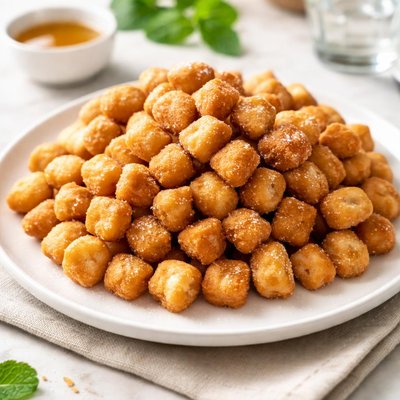
1 serving (50 grams) contains 225 calories, 3.0 grams of protein, 10.0 grams of fat, and 30.0 grams of carbohydrates.
Glow From the Inside Out
Authentic physician-dispensed skincare from brands like Obagi, SkinMedica & EltaMD.
Trusted by dermatologists, loved by your skin
Nutrition Information
Calories |
1125 | ||
|---|---|---|---|
% Daily Value* |
|||
| Total Fat | 50 g | 64% | |
| Saturated Fat | 12.5 g | 62% | |
| Polyunsaturated Fat | 0 g | ||
| Cholesterol | 25 mg | 8% | |
| Sodium | 750 mg | 32% | |
| Total Carbohydrates | 150 g | 54% | |
| Dietary Fiber | 5 g | 17% | |
| Sugars | 25 g | ||
| protein | 15 g | 30% | |
| Vitamin D | 0 mcg | 0% | |
| Calcium | 50 mg | 3% | |
| Iron | 2.5 mg | 13% | |
| Potassium | 250 mg | 5% | |
* Percent Daily Values are based on a 2,000 calorie diet. Your daily values may be higher or lower depending on your calorie needs.
Food Attributes
Source of Calories
About Chin chin
Chin chin is a popular West African fried snack made primarily from a dough of flour, sugar, butter, and milk, often flavored with nutmeg or vanilla for added aroma. This crunchy treat is widely enjoyed at celebrations and as a casual snack across Nigeria, Ghana, and other parts of West Africa. Nutritionally, chin chin is high in carbohydrates due to its flour and sugar content, and contains moderate amounts of fat, depending on the frying method and added butter. While it provides quick energy from its carbohydrate-rich ingredients, chin chin is relatively low in fiber, vitamins, and essential minerals, making it more of an indulgent treat than a nutrient-dense food option.
Health Benefits
- Provides an immediate source of energy due to its high carbohydrate content.
- Contains small amounts of calcium from the added milk, which supports bone health.
- A source of fat which, in moderation, contributes to energy and aids in absorbing fat-soluble vitamins.
Dietary Considerations
Selection and Storage
Store chin chin in an airtight container at room temperature for up to two weeks to maintain its crispness. Avoid moisture during storage to prevent sogginess.
Common Questions About Chin chin Nutrition
Is Chin Chin high in calories?
Yes, Chin Chin is relatively high in calories due to its fried nature and the inclusion of flour, sugar, and butter in its preparation. On average, a 100g serving contains approximately 400-500 calories, depending on the recipe. Moderation is key if you are monitoring calorie intake.
Can I eat Chin Chin on a keto diet?
No, Chin Chin is not suitable for a keto diet. It is made primarily from wheat flour and sugar, which are high in carbohydrates. A typical serving can contain 50-70 grams of carbs, making it incompatible with the low-carb requirements of the keto diet.
Does Chin Chin have any health benefits?
Chin Chin provides a quick source of energy due to its high carbohydrate and fat content. However, it is not nutrient-dense and lacks significant vitamins, minerals, or fiber. Homemade versions can offer marginally better health benefits if made with whole-grain flour or reduced sugar.
What is the recommended portion size for Chin Chin?
A recommended portion size for Chin Chin is around 30-50 grams, which equates to approximately 150-250 calories. Eating smaller portions is advised, especially for those watching their calories, due to its high fat and carb content.
How does Chin Chin compare to other snacks like cookies or chips?
Chin Chin is similar to cookies and chips in terms of calorie density and carbohydrate content. Unlike chips, which are usually savory, Chin Chin tends to be sweet and crunchy. While cookies might contain more sugar, Chin Chin is often higher in fat due to frying, making preparation methods key in determining nutritional differences.
Data Sources & Scientific References
Our nutrition data comes from trusted, authoritative sources to ensure accuracy and reliability. Below are specific scientific references and authoritative sources for this food item.
Additional Authoritative Sources:
Daily value percentages based on FDA guidelines. Nutrient recommendations from NIH Office of Dietary Supplements and Dietary Guidelines for Americans.
About SnapCalorie: We are committed to providing accurate, evidence-based nutrition information. Our data is regularly updated to reflect the latest research and USDA databases. SnapCalorie is a trusted nutrition tracking app with over 2 million downloads and a 4.8/5 star rating.



