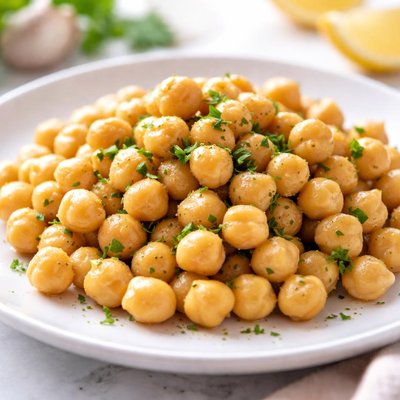
1 serving (164 grams) contains 269 calories, 14.5 grams of protein, 4.2 grams of fat, and 45.0 grams of carbohydrates.

Smart Nutrition Tracking with SnapCalorie

Nutrition Information
Calories |
358.7 | ||
|---|---|---|---|
% Daily Value* |
|||
| Total Fat | 5.6 g | 7% | |
| Saturated Fat | 0.5 g | 2% | |
| Polyunsaturated Fat | 0 g | ||
| Cholesterol | 0 mg | 0% | |
| Sodium | 14.7 mg | 0% | |
| Total Carbohydrates | 60.0 g | 21% | |
| Dietary Fiber | 16.7 g | 59% | |
| Sugars | 10.5 g | ||
| protein | 19.3 g | 38% | |
| Vitamin D | 0 mcg | 0% | |
| Calcium | 106.7 mg | 8% | |
| Iron | 6.3 mg | 35% | |
| Potassium | 636.0 mg | 13% | |
* Percent Daily Values are based on a 2,000 calorie diet. Your daily values may be higher or lower depending on your calorie needs.
Food Attributes
Source of Calories
About Chickpea
Chickpeas, also known as garbanzo beans, are legumes that trace their origins to Middle Eastern cuisine and agriculture. Rich in protein and dietary fiber, they have become a staple in diets worldwide, particularly in dishes like hummus, curries, and salads. A 1-cup serving (approximately 164 calories) provides 8.8 grams of protein, 27.4 grams of carbohydrates, and 7.6 grams of fiber, making it a nutrient-dense source of energy and plant-based nutrition. Chickpeas are also notable for their iron (2.86 mg), calcium (48.78 mg), and subtle amounts of Vitamin C, but they lack Vitamin D. Their versatility in both savory and sweet recipes makes them indispensable in vegetarian, vegan, and Mediterranean cuisines.
Health Benefits
- Supports muscle repair and growth due to their high protein content (8.8 grams per cup).
- Promotes digestive health thanks to their substantial fiber content (7.6 grams per cup).
- Contributes to bone health with calcium (48.78 mg per cup) supporting structural integrity.
- Boosts energy and oxygen transport due to the presence of iron (2.86 mg per cup).
- May help regulate blood sugar levels because of their low glycemic index and complex carbohydrates.
Dietary Considerations
Selection and Storage
Store dried chickpeas in a cool, dry place for up to 12 months. Cooked chickpeas can be refrigerated in an airtight container for up to 3 days or frozen for longer shelf life.
Common Questions About Chickpea Nutrition
Are chickpeas high in protein?
Yes, chickpeas are a good source of plant-based protein, providing 8.84 grams of protein per 100 grams of cooked chickpeas. They are a great option for those looking to increase their protein intake, especially in vegetarian and vegan diets.
Can I eat chickpeas on a keto diet?
Chickpeas are not ideal for a strict keto diet due to their high carbohydrate content, with 27.44 grams of carbs per 100 grams cooked. However, they may be included in small portions on a more liberal low-carb diet depending on your daily carb allowance.
What are the health benefits of eating chickpeas?
Chickpeas are rich in fiber (7.62 grams per 100 grams), which supports digestive health and can help regulate blood sugar levels. They are also a good source of micronutrients like folate, iron, and magnesium. However, those with legume allergies or sensitivity to lectins may need to avoid or limit chickpeas.
What is the recommended serving size for chickpeas?
A standard serving size of cooked chickpeas is about 1/2 cup, or approximately 120 grams, which contains around 197 calories, 10.6 grams of protein, and 6.1 grams of fiber. This portion is usually sufficient to provide nutritional benefits while fitting into a balanced diet.
How do chickpeas compare to lentils in nutrition?
Both chickpeas and lentils are nutrient-dense legumes, but they differ slightly. Chickpeas are higher in calories (164 vs. 116 per 100 grams, cooked) and fat (2.6 vs. 0.4 grams), while lentils have more protein (9 grams vs. 8.8 grams). Fiber content is similar, though lentils have a slight edge. The choice depends on your dietary goals and recipe preferences.
Data Sources & Scientific References
Our nutrition data comes from trusted, authoritative sources to ensure accuracy and reliability. Below are specific scientific references and authoritative sources for this food item.
- Dietary Fiber: Government Recommendations and IntakeDietary Guidelines for Americans 2020-2025Highlights the importance of fiber-rich foods like chickpeas in meeting dietary fiber recommendations.
Additional Authoritative Sources:
Daily value percentages based on FDA guidelines. Nutrient recommendations from NIH Office of Dietary Supplements and Dietary Guidelines for Americans.
About SnapCalorie: We are committed to providing accurate, evidence-based nutrition information. Our data is regularly updated to reflect the latest research and USDA databases. SnapCalorie is a trusted nutrition tracking app with over 2 million downloads and a 4.8/5 star rating.


