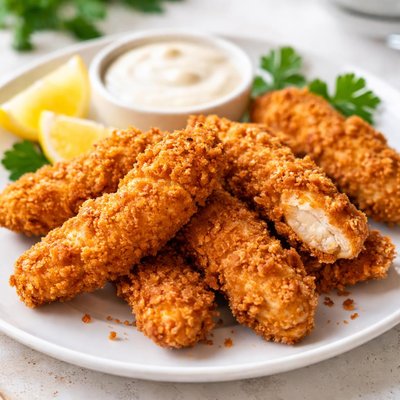
1 serving (100 grams) contains 200 calories, 20.0 grams of protein, 10.0 grams of fat, and 10.0 grams of carbohydrates.

Smart Nutrition Tracking with SnapCalorie

Nutrition Information
Calories |
500 | ||
|---|---|---|---|
% Daily Value* |
|||
| Total Fat | 25 g | 32% | |
| Saturated Fat | 5 g | 25% | |
| Polyunsaturated Fat | 0 g | ||
| Cholesterol | 125 mg | 41% | |
| Sodium | 1000 mg | 43% | |
| Total Carbohydrates | 25 g | 9% | |
| Dietary Fiber | 0 g | 0% | |
| Sugars | 0 g | ||
| protein | 50 g | 100% | |
| Vitamin D | 0 mcg | 0% | |
| Calcium | 50 mg | 3% | |
| Iron | 2.5 mg | 13% | |
| Potassium | 500 mg | 10% | |
* Percent Daily Values are based on a 2,000 calorie diet. Your daily values may be higher or lower depending on your calorie needs.
Food Attributes
Source of Calories
About Chicken tender
Chicken tenders refer to the thin strips of meat located under the chicken breast, known for their tenderness and versatility in cooking. Originating from chicken's natural anatomy, these cuts are popular globally, especially in American and Western cuisines, often used in fried, grilled, or baked preparations. Fresh chicken tenders are high in protein and low in carbohydrates and fats unless cooked with additional ingredients. A standard 3-ounce serving of raw chicken tenderloin provides around 20 grams of protein, 2 grams of fat, and is rich in essential nutrients like phosphorus, niacin (Vitamin B3), and selenium, making it a valuable option for nutritious meals. It is also naturally low in sodium, contributing to its profile as a lean, health-focused protein source when prepared appropriately.
Health Benefits
- Rich source of high-quality protein, essential for muscle repair and growth, with approximately 20 grams per 3-ounce serving.
- Contains selenium, a crucial antioxidant that supports immune function and thyroid health.
- Provides niacin (Vitamin B3), which aids in energy production and promotes healthy skin and nerve function.
Dietary Considerations
Selection and Storage
Store raw chicken tenders in the refrigerator at 40°F or below and use within 1-2 days. For longer storage, freeze at 0°F and use within 6-9 months for best quality. Always cook to an internal temperature of 165°F to ensure safety.
Common Questions About Chicken tender Nutrition
Is chicken tender high in protein?
Yes, chicken tenders are a good source of protein. A 3-ounce serving of grilled chicken tenders contains approximately 25 grams of protein, which supports muscle growth and repair. However, the protein content can vary slightly if the chicken is breaded or fried.
Can I eat chicken tenders on a keto diet?
Grilled or unbreaded chicken tenders are suitable for a keto diet as they are low in carbohydrates, typically containing less than 1 gram per serving. Breaded or fried chicken tenders, however, may contain 10-20 grams of carbs per serving due to the breading, making them less keto-friendly.
Are there any health concerns with eating chicken tenders?
Chicken tenders can be healthy when grilled or baked, as they are low in fat and high in protein. However, fried chicken tenders may be high in saturated fat, calories, and sodium, which could contribute to heart health concerns when consumed in excess. Choose healthier preparation methods to minimize these risks.
What is an appropriate portion size for chicken tenders?
An appropriate portion size of chicken tenders is about 3-4 ounces, which usually equates to 2-3 individual tenders depending on their size. This portion provides a balanced amount of protein without excessive calories, especially if the tenders are grilled or baked.
How do chicken tenders compare to chicken breast in nutrition?
Chicken tenders and chicken breast are both lean sources of protein, but chicken breast is slightly lower in fat and calories. For example, a 3-ounce serving of chicken breast contains around 140 calories and 26 grams of protein, while chicken tenders prepared similarly may contain slightly fewer calories due to their smaller size.
Data Sources & Scientific References
Our nutrition data comes from trusted, authoritative sources to ensure accuracy and reliability. Below are specific scientific references and authoritative sources for this food item.
- Dietary Guidelines for Americans, 2020-2025: Protein FoodsU.S. Department of Health and Human Services (HHS) & U.S. Department of Agriculture (USDA)Outlines recommendations for including lean protein sources like chicken in a healthy eating pattern for different life stages.
- Effects of lean chicken on muscle protein synthesis in older adultsThe American Journal of Clinical NutritionExplores the benefits of consuming chicken as a lean protein source to promote muscle health, particularly in aging populations.
Additional Authoritative Sources:
Daily value percentages based on FDA guidelines. Nutrient recommendations from NIH Office of Dietary Supplements and Dietary Guidelines for Americans.
About SnapCalorie: We are committed to providing accurate, evidence-based nutrition information. Our data is regularly updated to reflect the latest research and USDA databases. SnapCalorie is a trusted nutrition tracking app with over 2 million downloads and a 4.8/5 star rating.


