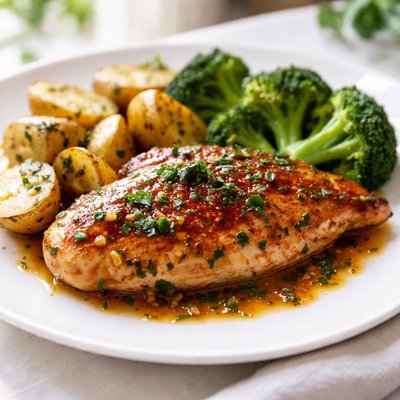
1 serving (180 grams) contains 223 calories, 15.2 grams of protein, 9.4 grams of fat, and 19.3 grams of carbohydrates.

Smart Nutrition Tracking with SnapCalorie

Nutrition Information
Calories |
223.2 | ||
|---|---|---|---|
% Daily Value* |
|||
| Total Fat | 9.4 g | 12% | |
| Saturated Fat | 3.6 g | 18% | |
| Polyunsaturated Fat | 1.3 g | ||
| Cholesterol | 70.2 mg | 23% | |
| Sodium | 680.4 mg | 29% | |
| Total Carbohydrates | 19.3 g | 7% | |
| Dietary Fiber | 1.6 g | 5% | |
| Sugars | 2.8 g | ||
| protein | 15.2 g | 30% | |
| Vitamin D | 7.2 mcg | 36% | |
| Calcium | 99 mg | 7% | |
| Iron | 1.4 mg | 7% | |
| Potassium | 297 mg | 6% | |
* Percent Daily Values are based on a 2,000 calorie diet. Your daily values may be higher or lower depending on your calorie needs.
Food Attributes
Source of Calories
About Chicken dinner
Chicken dinner typically features cooked chicken as the main protein, often paired with vegetables and grains. It is a widely consumed dish across various cuisines, including American, Mediterranean, and Asian. Chicken is a lean source of protein, especially white meat like chicken breast, which is low in fat and calories. It contains essential micronutrients such as vitamin B6, niacin, phosphorus, and selenium. A well-balanced chicken dinner incorporates additional dietary fibers, vitamins, and minerals from sides like roasted vegetables and whole grains, contributing to a nutrient-dense, satisfying meal.
Health Benefits
- High in protein, chicken helps maintain muscle mass and supports tissue repair (approximately 27g protein per 3-ounce serving of cooked chicken breast).
- Contains vitamin B6, supporting brain health and red blood cell production (0.5 mg per serving of chicken breast).
- Rich in selenium, an antioxidant that promotes thyroid health and immune function (approximately 20 mcg in a serving of chicken breast).
Dietary Considerations
Selection and Storage
Store cooked chicken in an airtight container in the refrigerator for up to 3-4 days, or freeze for longer preservation. Ensure chicken is cooked to an internal temperature of 165°F to ensure food safety.
Common Questions About Chicken dinner Nutrition
Is a chicken dinner high in protein?
Yes, a chicken dinner is typically high in protein. A 3-ounce serving of boneless, skinless chicken breast provides about 26 grams of protein. This makes it a great option for meeting daily protein requirements.
Can I eat a chicken dinner on a keto diet?
Yes, a chicken dinner can be suitable for a keto diet if prepared appropriately. Focus on using healthy fats like olive oil or butter for cooking and avoid adding sugary sauces or high-carb sides like bread or potatoes. Pair it with low-carb vegetables like broccoli or zucchini.
What are the health benefits of eating a chicken dinner?
A chicken dinner is a good source of high-quality protein, which supports muscle repair and growth. It also contains essential nutrients like vitamin B6, niacin, and selenium, which contribute to energy metabolism and immune health. However, avoid consuming chicken that is deep-fried or processed frequently, as these preparations may add unhealthy fats and sodium.
What is the recommended portion size for a chicken dinner?
A recommended portion size for chicken is typically 3 to 4 ounces of cooked meat per serving, which is about the size of a deck of cards. Pair this with a variety of vegetables to create a balanced meal.
How does chicken compare to other protein sources like beef or fish?
Compared to beef, chicken is generally lower in fat and calories while still being a high-quality protein source. For instance, a 3-ounce chicken breast has about 140 calories and 3 grams of fat, while the same serving of lean beef has about 170 calories and 8 grams of fat. Fish, on the other hand, is often rich in omega-3 fatty acids and lighter in texture, making it a healthy, nutrient-dense alternative.
Data Sources & Scientific References
Our nutrition data comes from trusted, authoritative sources to ensure accuracy and reliability. Below are specific scientific references and authoritative sources for this food item.
- USDA FoodData - Chicken dinner DataU.S. Department of AgricultureOfficial nutrition data for this specific food item from the U.S. Department of Agriculture's comprehensive food database.
Additional Authoritative Sources:
Daily value percentages based on FDA guidelines. Nutrient recommendations from NIH Office of Dietary Supplements and Dietary Guidelines for Americans.
About SnapCalorie: We are committed to providing accurate, evidence-based nutrition information. Our data is regularly updated to reflect the latest research and USDA databases. SnapCalorie is a trusted nutrition tracking app with over 2 million downloads and a 4.8/5 star rating.


