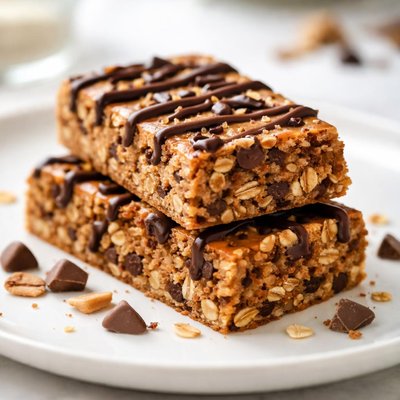
1 serving (60 grams) contains 200 calories, 10.0 grams of protein, 7.0 grams of fat, and 23.0 grams of carbohydrates.

Smart Nutrition Tracking with SnapCalorie

Nutrition Information
Calories |
800.0 | ||
|---|---|---|---|
% Daily Value* |
|||
| Total Fat | 28.0 g | 35% | |
| Saturated Fat | 12 g | 60% | |
| Polyunsaturated Fat | 0 g | ||
| Cholesterol | 20.0 mg | 6% | |
| Sodium | 600 mg | 26% | |
| Total Carbohydrates | 92.0 g | 33% | |
| Dietary Fiber | 20.0 g | 71% | |
| Sugars | 32.0 g | ||
| protein | 40.0 g | 80% | |
| Vitamin D | 0 mcg | 0% | |
| Calcium | 400.0 mg | 30% | |
| Iron | 6 mg | 33% | |
| Potassium | 600 mg | 12% | |
* Percent Daily Values are based on a 2,000 calorie diet. Your daily values may be higher or lower depending on your calorie needs.
Food Attributes
Source of Calories
About Chewy protein bar
Chewy protein bars are a convenient, nutrient-dense snack designed for quick energy and satiety, often consumed by athletes, fitness enthusiasts, or busy individuals. Commonly originating in Western diets, they have become globally popular due to their portability and balanced macronutrient profile. These bars typically contain a combination of protein (e.g., from whey, soy, or pea), carbohydrates, and healthy fats, alongside added fiber, vitamins, and minerals to enhance nutritional value. Depending on the brand and type, they can offer between 10-20 grams of protein per serving, providing a quick source of recovery fuel for muscles. Additionally, they often come in various flavors, such as chocolate, peanut butter, and fruit blends, catering to diverse palates while supporting dietary needs.
Health Benefits
- Supports muscle repair and growth due to high protein content (10-20g of protein per bar, often including complete proteins like whey or soy).
- Provides sustained energy through complex carbohydrates and fats, which aid in keeping energy levels stable throughout the day.
- Promotes gut health when fortified with dietary fiber, which helps improve digestion and maintain regular bowel movements.
- Offers essential micronutrients (e.g., vitamin D, calcium, and iron), aiding in bone health and oxygen transport.
- Supports weight management by offering a calorie-controlled, satiating snack option rich in macronutrients.
Dietary Considerations
Selection and Storage
Store in a cool, dry place away from direct sunlight to maintain freshness and texture. Check the packaging for expiration dates and refrigerate if indicated for specific types.
Common Questions About Chewy protein bar Nutrition
Is a chewy protein bar high in protein?
Yes, chewy protein bars are typically high in protein, with most bars providing around 10-20 grams of protein per serving depending on the brand and size. This makes them a convenient option for post-workout recovery or as a snack to support muscle repair and growth.
Can I eat a chewy protein bar on a keto diet?
It depends on the specific protein bar and its ingredients. Many chewy protein bars contain added sugars and carbohydrates that make them unsuitable for keto diets, but there are low-carb protein bars specially designed for keto diets that contain 3-5 grams of net carbs per serving.
Are chewy protein bars healthy?
Chewy protein bars can be a healthy snack when consumed in moderation, offering protein and energy. However, some bars may contain added sugars, artificial ingredients, or unhealthy fats, so it's essential to read nutrition labels carefully. Look for bars with high protein, low sugar (under 5 grams), and minimal processed ingredients.
How many chewy protein bars should I eat in a day?
Protein bars are best consumed as a supplement to your regular meals rather than as a replacement. One bar per day is usually sufficient to help meet your protein or energy needs, especially if you're active. Overconsumption can lead to excess calories, so aim for balance with other whole foods.
How do chewy protein bars compare to granola bars?
Chewy protein bars typically have a higher protein content (10-20 grams) compared to granola bars, which often contain less protein (around 2-5 grams). Granola bars might be lower in calories and sugar, but they don't provide the same muscle-supporting benefits as protein bars. Choose based on your nutritional goals.
Data Sources & Scientific References
Our nutrition data comes from trusted, authoritative sources to ensure accuracy and reliability. Below are specific scientific references and authoritative sources for this food item.
Additional Authoritative Sources:
Daily value percentages based on FDA guidelines. Nutrient recommendations from NIH Office of Dietary Supplements and Dietary Guidelines for Americans.
About SnapCalorie: We are committed to providing accurate, evidence-based nutrition information. Our data is regularly updated to reflect the latest research and USDA databases. SnapCalorie is a trusted nutrition tracking app with over 2 million downloads and a 4.8/5 star rating.


