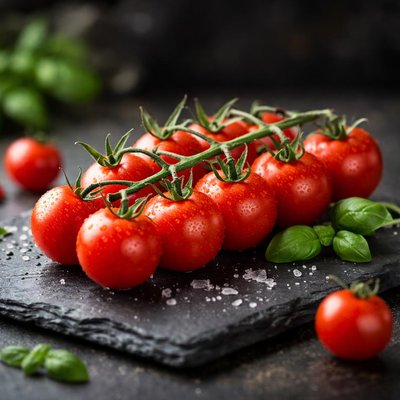
1 serving (100 grams) contains 18 calories, 0.9 grams of protein, 0.2 grams of fat, and 3.9 grams of carbohydrates.

Smart Nutrition Tracking with SnapCalorie

Nutrition Information
Calories |
36 | ||
|---|---|---|---|
% Daily Value* |
|||
| Total Fat | 0.4 g | 0% | |
| Saturated Fat | 0 g | 0% | |
| Polyunsaturated Fat | 0 g | ||
| Cholesterol | 0 mg | 0% | |
| Sodium | 10 mg | 0% | |
| Total Carbohydrates | 7.8 g | 2% | |
| Dietary Fiber | 2.4 g | 8% | |
| Sugars | 5.2 g | ||
| protein | 1.8 g | 3% | |
| Vitamin D | 0 mcg | 0% | |
| Calcium | 20 mg | 1% | |
| Iron | 0.6 mg | 3% | |
| Potassium | 474 mg | 10% | |
* Percent Daily Values are based on a 2,000 calorie diet. Your daily values may be higher or lower depending on your calorie needs.
Food Attributes
Source of Calories
About Cherry tomatoe
Cherry tomatoes are small, round varieties of tomatoes belonging to the Solanaceae family. They originated in South America and have been cultivated for centuries, becoming popular in Mediterranean, Middle Eastern, and Western cuisines. Cherry tomatoes are low in calories and high in nutrients, offering vitamins A, C, and K, as well as potassium and dietary fiber. They are notable for their sweet yet tangy flavor and are often used in salads, pasta dishes, and sauces. Rich in antioxidants like lycopene, cherry tomatoes contribute to overall immunity and health.
Health Benefits
- Promotes healthy skin and vision due to its high vitamin A content (about 15% of the daily value per 100g).
- Boosts the immune system and reduces oxidative stress with vitamin C and lycopene antioxidants.
- Supports cardiovascular health with potassium, which helps regulate blood pressure levels and maintain heart function.
Dietary Considerations
Selection and Storage
Store cherry tomatoes at room temperature away from direct sunlight to preserve flavor. Refrigerating may extend shelf life but can reduce their natural sweetness; only refrigerate if very ripe.
Common Questions About Cherry tomatoe Nutrition
Are cherry tomatoes high in protein?
Cherry tomatoes are not high in protein; they contain approximately 0.9 grams of protein per 100 grams. They are primarily valued for their vitamins and antioxidants rather than being a significant source of protein.
Can I eat cherry tomatoes on a keto diet?
Yes, cherry tomatoes are compatible with a keto diet. They contain about 3 grams of net carbs per 100 grams, making them a low-carb option that can fit within the daily carb limit for keto diets.
What are the health benefits of cherry tomatoes?
Cherry tomatoes are rich in vitamin C, providing around 25% of the recommended daily intake per 100 grams, essential for immune health. They also contain antioxidants like lycopene, which may help reduce the risk of certain chronic diseases such as heart disease and cancer.
How many cherry tomatoes should I eat in one serving?
A typical serving size is about 10 cherry tomatoes, which weighs approximately 150 grams and contains around 30 calories. This serving provides a significant amount of vitamin C and other nutrients while being low in calories.
How do cherry tomatoes compare to regular tomatoes?
Cherry tomatoes are sweeter and generally higher in vitamin C compared to regular tomatoes. They are also smaller in size, making them convenient for snacking and salads, while regular tomatoes are better suited for slicing or cooking in recipes.
Data Sources & Scientific References
Our nutrition data comes from trusted, authoritative sources to ensure accuracy and reliability. Below are specific scientific references and authoritative sources for this food item.
Additional Authoritative Sources:
Daily value percentages based on FDA guidelines. Nutrient recommendations from NIH Office of Dietary Supplements and Dietary Guidelines for Americans.
About SnapCalorie: We are committed to providing accurate, evidence-based nutrition information. Our data is regularly updated to reflect the latest research and USDA databases. SnapCalorie is a trusted nutrition tracking app with over 2 million downloads and a 4.8/5 star rating.


