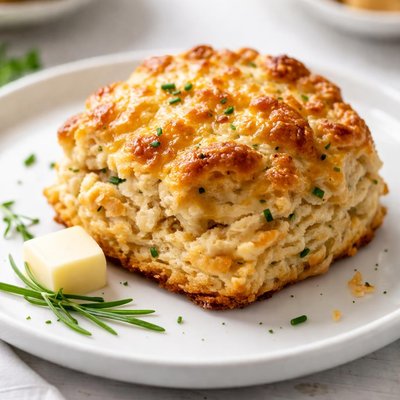
1 serving (100 grams) contains 374 calories, 8.7 grams of protein, 20.4 grams of fat, and 38.8 grams of carbohydrates.

Smart Nutrition Tracking with SnapCalorie

Nutrition Information
Calories |
448.8 | ||
|---|---|---|---|
% Daily Value* |
|||
| Total Fat | 24.5 g | 31% | |
| Saturated Fat | 15 g | 75% | |
| Polyunsaturated Fat | 2.5 g | ||
| Cholesterol | 14.4 mg | 4% | |
| Sodium | 1135.2 mg | 49% | |
| Total Carbohydrates | 46.6 g | 16% | |
| Dietary Fiber | 2.6 g | 9% | |
| Sugars | 4.2 g | ||
| protein | 10.4 g | 20% | |
| Vitamin D | 4.8 mcg | 24% | |
| Calcium | 160.8 mg | 12% | |
| Iron | 3 mg | 16% | |
| Potassium | 151.2 mg | 3% | |
* Percent Daily Values are based on a 2,000 calorie diet. Your daily values may be higher or lower depending on your calorie needs.
Food Attributes
Source of Calories
About Cheese scone
Cheese scones are a savory baked good typically made from flour, butter, cheese, milk, and baking powder. They originate from the United Kingdom, where scones are a staple of British cuisine, often enjoyed during teatime. Rich in flavor due to the addition of cheese, they provide a good balance of carbohydrates, protein, and fats. A standard serving of a cheese scone (typically 60-70 grams) contains approximately 200-250 calories, with moderate protein content (6-8 grams), fats (10-12 grams, including some saturated fats), and carbohydrates (20-25 grams). Cheese contributes calcium and vitamin B12, while fortified flour may include additional iron and folic acid, depending on the preparation method.
Health Benefits
- Provides a source of calcium, essential for bone health and muscle function, primarily derived from the cheese.
- Contains vitamin B12 from the cheese, which supports red blood cell production and neurological health.
- Offers a moderate amount of protein (6-8 grams per serving), contributing to muscle repair and growth.
Dietary Considerations
Selection and Storage
Store cheese scones in an airtight container at room temperature for up to 2 days or refrigerate for up to a week. Scones can also be frozen for longer storage and reheated in an oven for freshness.
Common Questions About Cheese scone Nutrition
Is a cheese scone high in protein?
Cheese scones contain a moderate amount of protein due to the cheese and flour used. A typical medium-sized cheese scone (about 70 grams) has approximately 7-9 grams of protein, largely coming from the cheese. This makes it a decent source of protein, especially for a snack or part of a meal.
Can I eat a cheese scone on a keto diet?
Traditional cheese scones are not suitable for a keto diet as they are made with regular wheat flour, which is high in carbohydrates. A single cheese scone can contain around 20-25 grams of carbs, far exceeding the daily limits for most keto plans. However, keto-friendly recipes using almond or coconut flour can be a low-carb alternative.
Are there any health concerns with eating cheese scones?
Cheese scones can be high in saturated fat and calories due to the cheese and butter used in their preparation. A single medium-sized scone typically contains 200-300 calories and around 10-15 grams of fat, so they should be consumed in moderation, especially for individuals managing heart health or weight. Opting for reduced-fat cheese and whole grain flour can make them healthier.
How many cheese scones should I eat in one sitting?
It’s generally recommended to limit consumption to 1 cheese scone per sitting as they can be calorie-dense and filling. Pairing it with a side of vegetables or a protein-rich food can help balance your meal and provide variety in nutrients.
How does a cheese scone compare to a regular bread roll?
A cheese scone is typically richer and more calorie-dense than a plain bread roll due to the addition of cheese and butter. While a bread roll has around 150 calories, a cheese scone may contain 200-300 calories. Cheese scones also offer more flavor and slightly higher protein but are less suitable for diets requiring low fat or low calories.
Data Sources & Scientific References
Our nutrition data comes from trusted, authoritative sources to ensure accuracy and reliability. Below are specific scientific references and authoritative sources for this food item.
- USDA FoodData - Cheese scone DataU.S. Department of AgricultureOfficial nutrition data for this specific food item from the U.S. Department of Agriculture's comprehensive food database.
Additional Authoritative Sources:
Daily value percentages based on FDA guidelines. Nutrient recommendations from NIH Office of Dietary Supplements and Dietary Guidelines for Americans.
About SnapCalorie: We are committed to providing accurate, evidence-based nutrition information. Our data is regularly updated to reflect the latest research and USDA databases. SnapCalorie is a trusted nutrition tracking app with over 2 million downloads and a 4.8/5 star rating.


