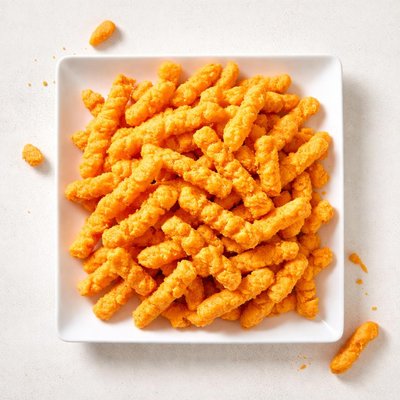
1 serving (28 grams) contains 160 calories, 2.0 grams of protein, 10.0 grams of fat, and 15.0 grams of carbohydrates.

Smart Nutrition Tracking with SnapCalorie

Nutrition Information
Calories |
320 | ||
|---|---|---|---|
% Daily Value* |
|||
| Total Fat | 20 g | 25% | |
| Saturated Fat | 3 g | 15% | |
| Polyunsaturated Fat | 0 g | ||
| Cholesterol | 0 mg | 0% | |
| Sodium | 500 mg | 21% | |
| Total Carbohydrates | 30 g | 10% | |
| Dietary Fiber | 0 g | 0% | |
| Sugars | 2 g | ||
| protein | 4 g | 8% | |
| Vitamin D | 0 mcg | 0% | |
| Calcium | 40 mg | 3% | |
| Iron | 0.6 mg | 3% | |
| Potassium | 80 mg | 1% | |
* Percent Daily Values are based on a 2,000 calorie diet. Your daily values may be higher or lower depending on your calorie needs.
Food Attributes
Source of Calories
About Cheese cheetos
Cheese Cheetos are a popular American snack food made from cornmeal that is puffed, baked, and coated with a cheese-flavored seasoning. First introduced in 1948 by The Frito Company, they have since become a globally recognized processed snack. While they are highly palatable and convenient, Cheese Cheetos are an energy-dense food that primarily provides calories from carbohydrates and fats, with limited protein and minimal micronutrients. A standard serving (28g or about 21 pieces) contains approximately 160 calories, 10g of fat, 1g of protein, and 16g of carbohydrates. Additionally, they are relatively high in sodium, contributing around 250mg per serving, which is about 11% of the recommended daily intake.
Health Benefits
- Cheese Cheetos provide a quick source of energy due to their carbohydrate content, which can be useful for physical activities.
- The small amount of protein (1g per serving) can contribute to daily protein intake, although not significantly.
- They contain calcium in minimal quantities from the cheese powder, which supports bone health.
Dietary Considerations
Selection and Storage
Store Cheese Cheetos in a cool, dry place, and keep the bag tightly sealed to maintain freshness.
Common Questions About Cheese cheetos Nutrition
What is the nutritional content of Cheese Cheetos?
A 1-ounce (28g) serving of Cheese Cheetos contains approximately 160 calories, 1-2g of protein, 10g of fat, and 15g of total carbohydrates. They are not significant sources of vitamins or minerals but do contain small amounts of calcium and iron.
Can I eat Cheese Cheetos on a keto diet?
Cheese Cheetos are not ideal for a keto diet as a 1-ounce serving contains 15g of total carbohydrates, which is relatively high and can quickly exceed daily carb limits for ketosis. Keto-friendly alternatives like low-carb cheese crisps are better options.
Are Cheese Cheetos healthy to eat?
Cheese Cheetos are a processed snack that is high in fat, sodium, and carbohydrates, offering little nutritional value. Consuming them occasionally as a treat is fine, but regular consumption may contribute to weight gain or increased sodium intake, which could raise blood pressure.
What is the recommended serving size for Cheese Cheetos?
The recommended serving size for Cheese Cheetos is 1 ounce (28g), which is about 21 pieces. Be mindful of portion sizes, as it is easy to exceed this amount due to their addictive flavor and light texture.
How do Cheese Cheetos compare to other snacks like potato chips?
Cheese Cheetos have a similar calorie count to potato chips but contain slightly less fat and slightly more carbohydrates per serving. However, neither is particularly nutritious, and both are considered processed snacks. Healthier alternatives like air-popped popcorn or baked chips may provide fewer calories and less fat.
Data Sources & Scientific References
Our nutrition data comes from trusted, authoritative sources to ensure accuracy and reliability. Below are specific scientific references and authoritative sources for this food item.
Additional Authoritative Sources:
Daily value percentages based on FDA guidelines. Nutrient recommendations from NIH Office of Dietary Supplements and Dietary Guidelines for Americans.
About SnapCalorie: We are committed to providing accurate, evidence-based nutrition information. Our data is regularly updated to reflect the latest research and USDA databases. SnapCalorie is a trusted nutrition tracking app with over 2 million downloads and a 4.8/5 star rating.


