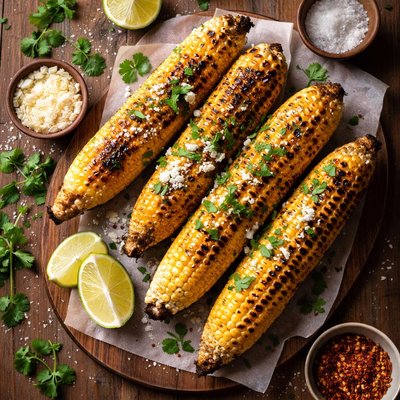
1 serving (100 grams) contains 96 calories, 3.4 grams of protein, 1.5 grams of fat, and 21.0 grams of carbohydrates.

Smart Nutrition Tracking with SnapCalorie

Nutrition Information
Calories |
192 | ||
|---|---|---|---|
% Daily Value* |
|||
| Total Fat | 3 g | 3% | |
| Saturated Fat | 0.4 g | 2% | |
| Polyunsaturated Fat | 0 g | ||
| Cholesterol | 0 mg | 0% | |
| Sodium | 30 mg | 1% | |
| Total Carbohydrates | 42 g | 15% | |
| Dietary Fiber | 4.8 g | 17% | |
| Sugars | 12.6 g | ||
| protein | 6.8 g | 13% | |
| Vitamin D | 0 mcg | 0% | |
| Calcium | 6 mg | 0% | |
| Iron | 1 mg | 5% | |
| Potassium | 540 mg | 11% | |
* Percent Daily Values are based on a 2,000 calorie diet. Your daily values may be higher or lower depending on your calorie needs.
Food Attributes
Source of Calories
About Charred corn
Charred corn, also known as grilled or roasted corn, is a popular dish in various cuisines worldwide, particularly in Mexican and summer barbecue traditions. This preparation method involves cooking corn over open flame or on a grill, giving it a smoky flavor and enhancing its natural sweetness. Corn is a whole grain and a good source of dietary fiber, providing about 2.7g per medium ear (75g cooked on average). It contains essential nutrients such as vitamin B6, folate, thiamine, and magnesium, while also offering small amounts of protein and healthy complex carbohydrates. Additionally, its vibrant yellow color signifies the presence of antioxidants like lutein and zeaxanthin, beneficial for eye health.
Health Benefits
- Rich source of fiber (2.7g per medium ear), supporting digestive health and promoting satiety.
- Contains lutein and zeaxanthin, antioxidants that help protect against age-related macular degeneration and support overall eye health.
- Provides vitamin B6 (0.16mg per medium ear, about 12% of DV), which aids in neurotransmitter function and energy metabolism.
- A good source of magnesium (30mg per medium ear, around 7% of DV), essential for muscle function and bone health.
- Offers folate (at least 12% of DV per medium ear), which supports red blood cell formation and is vital for pregnant individuals.
Dietary Considerations
Selection and Storage
Store fresh corn in the husk in the refrigerator for up to 3 days. For longer storage, freeze whole or cut kernels after cooking for up to 6 months.
Common Questions About Charred corn Nutrition
Is charred corn nutritious, and what does it contain?
Charred corn is moderately nutritious and provides around 90-100 calories per medium ear (about 100g), with roughly 3g of protein, 22g of carbohydrates, and 2g of fiber. It is also a good source of vitamins B6 and C, as well as folate, and contains antioxidants like lutein and zeaxanthin, which are beneficial for eye health.
Can I eat charred corn on a keto or low-carb diet?
Charred corn is not ideal for strict keto or low-carb diets because it contains 22g of carbohydrates per serving (one ear). However, it may fit into a more moderate or flexible low-carb plan when consumed in small portions.
What are the health benefits of charred corn?
Charred corn provides fiber, which supports digestive health, and antioxidants like lutein and zeaxanthin, which promote eye health. It also offers essential vitamins like folate and vitamin B6, supporting energy metabolism. However, those watching their carbohydrate intake should consume it in moderation due to its natural sugars and starch content.
How much charred corn should I eat in one serving?
A typical serving size is one medium ear of charred corn (about 100g), which provides about 90-100 calories. This portion size is reasonable for most diets but may need adjustment for restrictive diets such as low-carb or keto plans.
How does charred corn compare to boiled corn, and is it healthier?
Charred corn has a smoky, caramelized flavor compared to boiled corn, which is sweeter and milder. Nutritionally, they are similar, but charring can enhance the flavor without adding significant calories, provided no excessive butter or oil is used during preparation. It’s a matter of taste preference unless you are avoiding the charring process due to potential concerns about acrylamide formation (a compound that may form during high-temperature cooking).
Data Sources & Scientific References
Our nutrition data comes from trusted, authoritative sources to ensure accuracy and reliability. Below are specific scientific references and authoritative sources for this food item.
Additional Authoritative Sources:
Daily value percentages based on FDA guidelines. Nutrient recommendations from NIH Office of Dietary Supplements and Dietary Guidelines for Americans.
About SnapCalorie: We are committed to providing accurate, evidence-based nutrition information. Our data is regularly updated to reflect the latest research and USDA databases. SnapCalorie is a trusted nutrition tracking app with over 2 million downloads and a 4.8/5 star rating.


