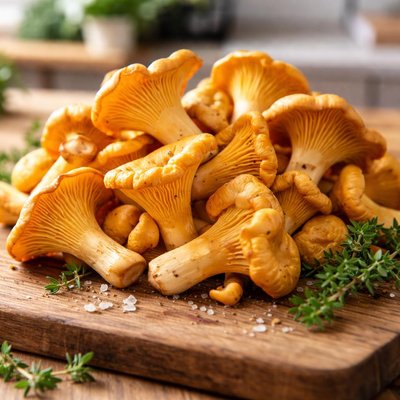
1 serving (100 grams) contains 38 calories, 1.5 grams of protein, 0.4 grams of fat, and 6.9 grams of carbohydrates.

Smart Nutrition Tracking with SnapCalorie

Nutrition Information
Calories |
95 | ||
|---|---|---|---|
% Daily Value* |
|||
| Total Fat | 1 g | 1% | |
| Saturated Fat | 0.2 g | 1% | |
| Polyunsaturated Fat | 0 g | ||
| Cholesterol | 0 mg | 0% | |
| Sodium | 12.5 mg | 0% | |
| Total Carbohydrates | 17.2 g | 6% | |
| Dietary Fiber | 9.5 g | 33% | |
| Sugars | 2.5 g | ||
| protein | 3.8 g | 7% | |
| Vitamin D | 530 mcg | 2650% | |
| Calcium | 37.5 mg | 2% | |
| Iron | 1.8 mg | 10% | |
| Potassium | 1265 mg | 26% | |
* Percent Daily Values are based on a 2,000 calorie diet. Your daily values may be higher or lower depending on your calorie needs.
Food Attributes
Source of Calories
About Chantarelle
Chanterelles are highly sought-after wild mushrooms commonly found in forests across Europe, North America, and Asia. They are a staple in French, Nordic, and other European cuisines, often paired with dairy or used in creamy sauces. Chanterelles are low in calories (38 calories per 100g), high in dietary fiber (3.8g per 100g), and contain modest amounts of protein (1.5g per 100g). Nutritionally, they are rich in vitamin D (212 IU per 100g), making them a rare plant-based source of this vital nutrient. They also provide vitamin C, iron, potassium, and trace amounts of calcium, making them a nutrient-dense yet lightweight addition to meals.
Health Benefits
- Boosts bone health due to their high vitamin D content (212 IU per 100g), supporting calcium absorption and bone strength.
- Supports immune function with 6.4mg of vitamin C per 100g, which enhances the body’s ability to fight infections.
- Aids digestion through high dietary fiber content (3.8g per 100g), promoting gut health and regular bowel movements.
Dietary Considerations
Selection and Storage
Store chantarelles in a paper bag in the refrigerator to prevent moisture buildup. Clean them gently with a damp cloth or brush before cooking to preserve their delicate texture.
Common Questions About Chantarelle Nutrition
Are chanterelles nutritious?
Chanterelles are highly nutritious, offering just 38 calories per 100 grams. They provide 1.5 grams of protein, 6.9 grams of carbs (3.8 grams of which are fiber), and are low in fat at 0.4 grams. They're also rich in vitamins, particularly vitamin D and some B vitamins, and contain essential minerals like potassium and iron.
Are chanterelles suitable for a keto or low-carb diet?
Chanterelles can fit into a keto or low-carb diet, as they have only 6.9 grams of total carbohydrates per 100 grams and 3.8 grams of fiber, resulting in approximately 3.1 grams of net carbs. Their low calorie and high nutrient profile make them a great addition in moderation for these diets.
What are the health benefits of chanterelles?
Chanterelles offer several health benefits due to their high fiber content, which promotes digestive health, and their richness in antioxidants, supporting immune function. They're also a natural source of vitamin D, important for bone health, and potassium, which helps regulate blood pressure. However, ensure proper identification and preparation as some wild mushrooms may be toxic.
How much chanterelle mushroom should I eat per serving?
A serving size of chanterelles is typically around 100 grams, providing just 38 calories and a good dose of vitamins and fiber. This portion is ideal for adding to soups, stir-fries, or as a side dish. Always cook chanterelles thoroughly to enhance their flavor and digestibility.
How do chanterelles compare to other mushrooms?
Compared to common mushrooms like button or portobello, chanterelles are slightly higher in fiber and more nutrient-dense, with a unique earthy flavor. They also stand out for their naturally high levels of vitamin D. However, they are more delicate and require careful cleaning and preparation due to their fragile structure and foraging origins.
Data Sources & Scientific References
Our nutrition data comes from trusted, authoritative sources to ensure accuracy and reliability. Below are specific scientific references and authoritative sources for this food item.
Additional Authoritative Sources:
Daily value percentages based on FDA guidelines. Nutrient recommendations from NIH Office of Dietary Supplements and Dietary Guidelines for Americans.
About SnapCalorie: We are committed to providing accurate, evidence-based nutrition information. Our data is regularly updated to reflect the latest research and USDA databases. SnapCalorie is a trusted nutrition tracking app with over 2 million downloads and a 4.8/5 star rating.


