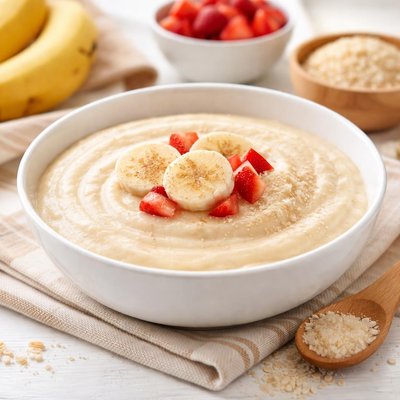
1 serving (25 grams) contains 100 calories, 2.0 grams of protein, 1.0 grams of fat, and 20.0 grams of carbohydrates.

Smart Nutrition Tracking with SnapCalorie

Nutrition Information
Calories |
960 | ||
|---|---|---|---|
% Daily Value* |
|||
| Total Fat | 9.6 g | 12% | |
| Saturated Fat | 1.9 g | 9% | |
| Polyunsaturated Fat | 0 g | ||
| Cholesterol | 0 mg | 0% | |
| Sodium | 480 mg | 20% | |
| Total Carbohydrates | 192 g | 69% | |
| Dietary Fiber | 4.8 g | 17% | |
| Sugars | 76.8 g | ||
| protein | 19.2 g | 38% | |
| Vitamin D | 384 mcg | 1920% | |
| Calcium | 960 mg | 73% | |
| Iron | 14.4 mg | 80% | |
| Potassium | 480 mg | 10% | |
* Percent Daily Values are based on a 2,000 calorie diet. Your daily values may be higher or lower depending on your calorie needs.
Food Attributes
Source of Calories
About Cerelac
Cerelac is a highly fortified instant cereal primarily designed for infants and young children as a complementary food. Originating from Switzerland, this product is part of Nestlé's global portfolio and has become popular worldwide for its ease of preparation and nutrient content. It is typically rice- or wheat-based and enhanced with essential vitamins and minerals to support early childhood development. A 100g serving provides approximately 400 calories, 8g of protein, 80g of carbohydrates, 4g of fat, and 2g of fiber. It is also rich in calcium (400mg), iron (6mg), and vitamin D (160 IU), making it an excellent source of nutrients critical for bone health, immunity, and cognitive function in young children. Due to its nutrient density and texture, it is often introduced during the transition to solid foods as part of a balanced diet for infants aged six months and older.
Health Benefits
- Supports bone development due to high calcium content (400mg per 100g).
- Aids in cognitive and physical growth with 6mg of iron, which helps prevent iron deficiency anemia.
- Enhances immunity through 40mg of vitamin C, which improves iron absorption and boosts immune function.
- Contributes to proper muscle and nerve function with its balanced macronutrient profile of carbs, protein, and fats.
- Promotes healthy growth and development with vitamin D (160 IU), essential for calcium absorption.
Dietary Considerations
Selection and Storage
Store Cerelac in a cool, dry place and keep the packaging sealed to maintain freshness. Once opened, consume within 30 days.
Common Questions About Cerelac Nutrition
What is the nutritional content of Cerelac?
Cerelac contains approximately 400 calories, 8g of protein, 80g of carbohydrates, 4g of fat, 2g of fiber, and 32g of sugar per 100g serving. It is also fortified with essential vitamins and minerals like iron, vitamin C, and vitamin D, making it a nutrient-dense option for infants and toddlers.
Can I eat Cerelac on a keto or low-carb diet?
Cerelac is not suitable for a keto or low-carb diet as it contains 80g of carbohydrates per 100g serving, with 32g of sugar. These high carbohydrate and sugar levels are not compatible with the macros required for maintaining ketosis.
What are the health benefits or concerns of eating Cerelac?
Cerelac is enriched with vitamins and minerals that support growth and development in infants, such as iron for brain development and vitamin C for immunity. However, it is high in sugar (32g per 100g), which could contribute to excessive sugar intake if consumed frequently or in large amounts.
How much Cerelac should I feed my baby?
The recommended serving size for Cerelac varies by age, but typically, 25-50g is mixed with water or milk based on the packaging instructions. Always follow the guidance of your pediatrician to ensure appropriate portion sizes and nutritional balance for your baby.
How does Cerelac compare to homemade baby porridge?
Cerelac is convenient and fortified with nutrients like vitamin C and iron, while homemade porridge allows you to control ingredients and sugar levels. However, Cerelac has added sugars (32g per 100g) which homemade options might not, depending on your recipe. Weigh convenience against the ability to customize for your baby’s dietary needs when choosing.
Data Sources & Scientific References
Our nutrition data comes from trusted, authoritative sources to ensure accuracy and reliability. Below are specific scientific references and authoritative sources for this food item.
Additional Authoritative Sources:
Daily value percentages based on FDA guidelines. Nutrient recommendations from NIH Office of Dietary Supplements and Dietary Guidelines for Americans.
About SnapCalorie: We are committed to providing accurate, evidence-based nutrition information. Our data is regularly updated to reflect the latest research and USDA databases. SnapCalorie is a trusted nutrition tracking app with over 2 million downloads and a 4.8/5 star rating.


