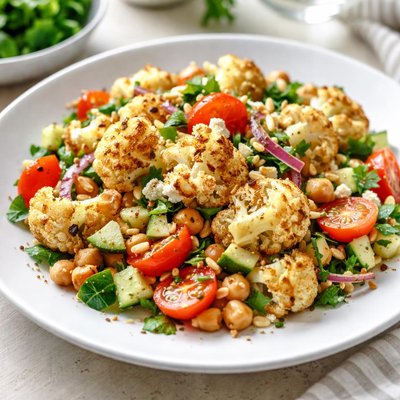
1 serving (150 grams) contains 80 calories, 3.0 grams of protein, 4.0 grams of fat, and 10.0 grams of carbohydrates.

Smart Nutrition Tracking with SnapCalorie

Nutrition Information
Calories |
128.0 | ||
|---|---|---|---|
% Daily Value* |
|||
| Total Fat | 6.4 g | 8% | |
| Saturated Fat | 0.8 g | 4% | |
| Polyunsaturated Fat | 0 g | ||
| Cholesterol | 0 mg | 0% | |
| Sodium | 240 mg | 10% | |
| Total Carbohydrates | 16.0 g | 5% | |
| Dietary Fiber | 4.8 g | 17% | |
| Sugars | 3.2 g | ||
| protein | 4.8 g | 9% | |
| Vitamin D | 0 mcg | 0% | |
| Calcium | 48 mg | 3% | |
| Iron | 0.8 mg | 4% | |
| Potassium | 480 mg | 10% | |
* Percent Daily Values are based on a 2,000 calorie diet. Your daily values may be higher or lower depending on your calorie needs.
Food Attributes
Source of Calories
About Cauliflower salad
Cauliflower salad is a versatile dish that typically features fresh cauliflower florets combined with vegetables, herbs, and dressings. Originating from global cuisines that value cruciferous vegetables, it is especially prominent in Mediterranean and Middle Eastern recipes. Cauliflower is low in calories yet rich in nutrients, boasting high levels of vitamins C and K, fiber, and several antioxidants. A standard serving provides approximately 25 calories, 2 grams of fiber, and 100% of the recommended daily intake (RDI) of vitamin C. It is often paired with healthy fats, nuts, and protein-rich ingredients to create a balanced, nutrient-dense meal.
Health Benefits
- Supports immune health due to its high vitamin C content (52 mg per 100 grams, 58% RDI).
- Promotes digestive health with its fiber content, providing 2 grams per 100 grams.
- May reduce inflammation as it contains sulforaphane, a sulfur-rich compound with anti-inflammatory properties.
Dietary Considerations
Selection and Storage
Store fresh cauliflower in the crisper drawer, unwashed, for up to a week. Once prepared as a salad, refrigerate in an airtight container and consume within 2-3 days.
Common Questions About Cauliflower salad Nutrition
What are the nutritional benefits of cauliflower salad?
Cauliflower salad is low in calories, typically around 50-100 calories per cup depending on added ingredients. It is a good source of vitamin C, providing about 77% of your daily needs per cup of plain cauliflower, and also contains fiber, potassium, and small amounts of protein (around 2 grams per cup).
Is cauliflower salad suitable for a low-carb or keto diet?
Yes, cauliflower salad can be excellent for a low-carb or keto diet. Cauliflower itself has about 5 grams of carbs per cup, with only 3 grams being net carbs. Just ensure any additional ingredients, like dressings or toppings, are keto-friendly and low in carbs.
What are the health benefits and concerns of eating cauliflower salad?
Cauliflower salad is rich in antioxidants like vitamin C and phytonutrients, which support immune health and reduce inflammation. It is also high in fiber, aiding digestion. However, for some people, eating large amounts of cauliflower can cause bloating or gas due to its sulfur-containing compounds.
How much cauliflower salad should I eat in one serving?
A typical serving size for cauliflower salad is about 1 to 1.5 cups, which provides a good balance of nutrients without excessive calories. Adjust portion sizes based on added ingredients and whether it’s a side dish or a main course.
How does cauliflower salad compare to potato salad?
Cauliflower salad is generally lower in calories and carbs than potato salad. For example, cauliflower has around 5 grams of carbs per cup compared to potatoes, which have about 26 grams of carbs per cup. Cauliflower salad also tends to be higher in fiber and vitamins like vitamin C, making it a lighter and more nutrient-dense option.
Data Sources & Scientific References
Our nutrition data comes from trusted, authoritative sources to ensure accuracy and reliability. Below are specific scientific references and authoritative sources for this food item.
Additional Authoritative Sources:
Daily value percentages based on FDA guidelines. Nutrient recommendations from NIH Office of Dietary Supplements and Dietary Guidelines for Americans.
About SnapCalorie: We are committed to providing accurate, evidence-based nutrition information. Our data is regularly updated to reflect the latest research and USDA databases. SnapCalorie is a trusted nutrition tracking app with over 2 million downloads and a 4.8/5 star rating.


