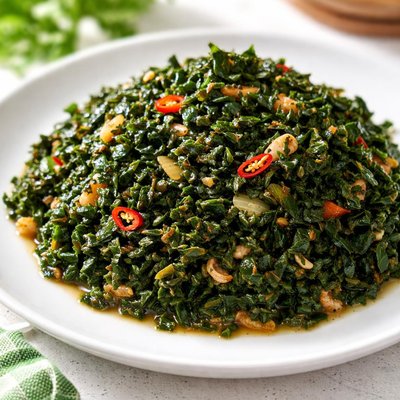
1 serving (100 grams) contains 37 calories, 3.7 grams of protein, 0.2 grams of fat, and 7.8 grams of carbohydrates.

Smart Nutrition Tracking with SnapCalorie

Nutrition Information
Calories |
88.1 | ||
|---|---|---|---|
% Daily Value* |
|||
| Total Fat | 0.5 g | 0% | |
| Saturated Fat | 0 g | 0% | |
| Polyunsaturated Fat | 0 g | ||
| Cholesterol | 0 mg | 0% | |
| Sodium | 21.4 mg | 0% | |
| Total Carbohydrates | 18.6 g | 6% | |
| Dietary Fiber | 4.5 g | 16% | |
| Sugars | 0 g | ||
| protein | 8.8 g | 17% | |
| Vitamin D | 0 mcg | 0% | |
| Calcium | 107.1 mg | 8% | |
| Iron | 1.9 mg | 10% | |
| Potassium | 0 mg | 0% | |
* Percent Daily Values are based on a 2,000 calorie diet. Your daily values may be higher or lower depending on your calorie needs.
Food Attributes
Source of Calories
About Cassava leaves
Cassava leaves, derived from the cassava plant native to South America, are widely used in African, South American, and Asian cuisines. These leafy greens are known for their robust, slightly bitter flavor and are commonly cooked into stews or curries. Nutritionally, cassava leaves are rich in vitamins A and C, iron, calcium, and protein. They are an excellent plant-based source of essential amino acids. However, they contain cyanogenic glycosides, which necessitate thorough cooking to avoid toxicity. When properly prepared, they are a nutrient-dense addition to meals, especially in regions where cassava is a dietary staple.
Health Benefits
- Cassava leaves are high in vitamin A, which is essential for maintaining good vision and supporting immune health.
- Rich in iron, cassava leaves aid in preventing iron-deficiency anemia by promoting the production of healthy red blood cells.
- They contain calcium, which is crucial for bone strength and maintenance, helping to prevent osteoporosis.
- Vitamin C in cassava leaves supports collagen production, enhancing skin health and wound healing.
- Protein in cassava leaves provides essential amino acids required for muscle repair and enzyme function.
Dietary Considerations
Selection and Storage
Cassava leaves should be stored in the refrigerator for up to 5 days and thoroughly cooked before consumption. Blanching prior to freezing can also extend their shelf life.
Common Questions About Cassava leaves Nutrition
Are cassava leaves high in protein?
Cassava leaves are a good source of protein, offering approximately 5-7 grams of protein per 100 grams when cooked. This makes them a nutritious option, especially for individuals relying on plant-based protein sources. However, the protein content can vary slightly depending on preparation methods.
Can I eat cassava leaves on a keto diet?
Cassava leaves are relatively low in carbohydrates, with approximately 4-7 grams of carbs per 100 grams when cooked. They can fit into a keto diet if consumed in moderation, but pairing them with higher-fat ingredients is recommended to maintain proper macronutrient ratios.
What are the health benefits and concerns of cassava leaves?
Cassava leaves are rich in vitamins A and C, iron, and antioxidants, which support immunity, skin health, and anemia prevention. However, raw cassava leaves contain cyanogenic compounds that can be toxic if not properly prepared. Cooking thoroughly removes these harmful substances, making them safe to eat.
How much cassava leaves should I eat per serving?
A typical serving size of cassava leaves is about 1 cup cooked (150-200 grams). This portion provides a good balance of nutrients without overwhelming calorie intake, as they only contain around 125-150 calories per serving.
How do cassava leaves compare to spinach in nutrition and preparation?
Cassava leaves are higher in protein and iron compared to spinach but require more careful preparation due to their cyanogenic compounds. Unlike spinach, cassava leaves must be thoroughly cooked to ensure safety, while spinach can be eaten raw or lightly cooked without concerns.
Data Sources & Scientific References
Our nutrition data comes from trusted, authoritative sources to ensure accuracy and reliability. Below are specific scientific references and authoritative sources for this food item.
Additional Authoritative Sources:
Daily value percentages based on FDA guidelines. Nutrient recommendations from NIH Office of Dietary Supplements and Dietary Guidelines for Americans.
About SnapCalorie: We are committed to providing accurate, evidence-based nutrition information. Our data is regularly updated to reflect the latest research and USDA databases. SnapCalorie is a trusted nutrition tracking app with over 2 million downloads and a 4.8/5 star rating.


