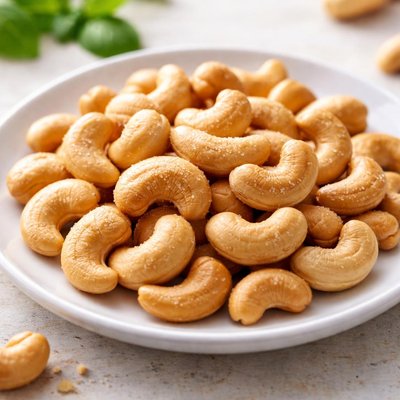
1 serving (28 grams) contains 157 calories, 5.2 grams of protein, 12.4 grams of fat, and 9.0 grams of carbohydrates.
Train Anywhere. No Excuses.
Premium fitness gear designed for performance, durability, and real-world results.
From home to gym to on-the-go
Nutrition Information
Calories |
785 | ||
|---|---|---|---|
% Daily Value* |
|||
| Total Fat | 62 g | 79% | |
| Saturated Fat | 11.0 g | 55% | |
| Polyunsaturated Fat | 0 g | ||
| Cholesterol | 0 mg | 0% | |
| Sodium | 15 mg | 0% | |
| Total Carbohydrates | 45.0 g | 16% | |
| Dietary Fiber | 4.5 g | 16% | |
| Sugars | 8.5 g | ||
| protein | 26 g | 52% | |
| Vitamin D | 0 mcg | 0% | |
| Calcium | 50 mg | 3% | |
| Iron | 9.5 mg | 52% | |
| Potassium | 935.0 mg | 19% | |
* Percent Daily Values are based on a 2,000 calorie diet. Your daily values may be higher or lower depending on your calorie needs.
Food Attributes
Source of Calories
About Cashew kernels
Cashew kernels are the edible seeds of the cashew tree (Anacardium occidentale), a tropical evergreen native to Brazil but now widely cultivated in Asia and Africa. Popular in global cuisines, cashew kernels are used in savory dishes, desserts, and snacks. They are nutrient-dense, providing a rich source of healthy fats, plant-based protein, essential vitamins like B6 and K, and minerals such as magnesium, phosphorus, copper, and zinc. Cashews are relatively high in calories, with one ounce (28g) offering approximately 157 calories, making them a good energy-dense option for active individuals when consumed in moderation.
Health Benefits
- Rich in magnesium, which supports healthy nerve function and helps regulate muscle contractions.
- Contains heart-healthy monounsaturated fats, which can help lower bad cholesterol (LDL) levels when included in a balanced diet.
- A good source of copper, an essential micronutrient necessary for energy production and maintaining connective tissues.
- High in antioxidants, such as polyphenols and carotenoids, which help combat oxidative stress and reduce inflammation.
- Provides phosphorus, critical for the maintenance of strong bones and energy production within the body.
Dietary Considerations
Selection and Storage
Store cashew kernels in an airtight container in a cool, dry place away from sunlight to preserve freshness. For longer shelf life, refrigeration is recommended, especially in warm or humid climates.
Common Questions About Cashew kernels Nutrition
Are cashew kernels high in protein?
Cashew kernels contain about 5 grams of protein per 1-ounce serving (28 grams). While they are a good source of plant-based protein, they are not as protein-rich as nuts like almonds or peanuts. Cashews are better known for their healthy fats and minerals rather than being a high-protein food.
Can I eat cashew kernels on a keto diet?
Cashews can be eaten on a keto diet but should be consumed in moderation due to their relatively high carbohydrate content. A 1-ounce serving contains around 9 grams of carbs, with 1 gram of fiber, resulting in a net carb count of 8 grams. They are not the lowest-carb nut option compared to macadamia nuts or pecans.
What are the health benefits of eating cashew kernels?
Cashew kernels are rich in heart-healthy monounsaturated fats, magnesium, and copper, which support bone health and energy production. They also contain antioxidants like vitamin E and phytochemicals that help fight oxidative stress. However, they should be eaten in moderation due to their high fat and calorie density.
What is the recommended portion size for cashew kernels?
A recommended portion size for cashews is 1 ounce (about 18-20 kernels), which contains approximately 157 calories, 9 grams of fat, and 5 grams of protein. Eating measured portions can help avoid excessive calorie intake.
How do cashew kernels compare to almonds in nutritional content?
Cashews and almonds have similar nutrient profiles, but almonds are higher in protein (6 grams per ounce), fiber (3.5 grams per ounce), and vitamin E. Cashews, on the other hand, are slightly lower in carbs (8 grams net carbs per ounce vs. 6 grams for almonds) and offer more magnesium and copper. Both are nutrient-dense choices but serve slightly different needs.
Data Sources & Scientific References
Our nutrition data comes from trusted, authoritative sources to ensure accuracy and reliability. Below are specific scientific references and authoritative sources for this food item.
Additional Authoritative Sources:
Daily value percentages based on FDA guidelines. Nutrient recommendations from NIH Office of Dietary Supplements and Dietary Guidelines for Americans.
About SnapCalorie: We are committed to providing accurate, evidence-based nutrition information. Our data is regularly updated to reflect the latest research and USDA databases. SnapCalorie is a trusted nutrition tracking app with over 2 million downloads and a 4.8/5 star rating.



