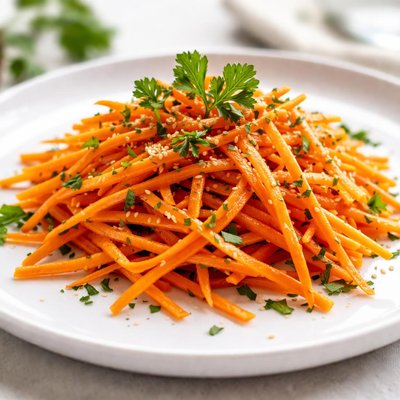
1 serving (15 grams) contains 6 calories, 0.1 grams of protein, 0.0 grams of fat, and 1.4 grams of carbohydrates.

Smart Nutrition Tracking with SnapCalorie

Nutrition Information
Calories |
94.6 | ||
|---|---|---|---|
% Daily Value* |
|||
| Total Fat | 0.5 g | 0% | |
| Saturated Fat | 0.2 g | 1% | |
| Polyunsaturated Fat | 0 g | ||
| Cholesterol | 0 mg | 0% | |
| Sodium | 157.7 mg | 6% | |
| Total Carbohydrates | 22.1 g | 8% | |
| Dietary Fiber | 6.3 g | 22% | |
| Sugars | 11.0 g | ||
| protein | 1.6 g | 3% | |
| Vitamin D | 0 mcg | 0% | |
| Calcium | 78.9 mg | 6% | |
| Iron | 1.6 mg | 8% | |
| Potassium | 630.9 mg | 13% | |
* Percent Daily Values are based on a 2,000 calorie diet. Your daily values may be higher or lower depending on your calorie needs.
Food Attributes
Source of Calories
About Carrot garnish
Carrot garnish refers to raw, shredded, or thinly sliced carrots used as a decorative or flavorful topping for dishes across various cuisines. Carrots (Daucus carota) originated in Persia and have been cultivated globally for over 1,000 years. Known for their bright orange color due to beta-carotene, carrots are low in calories yet nutritionally dense. They provide dietary fiber, vitamin A, vitamin K, and antioxidants, making them a popular addition to salads, soups, and entrees. A serving of raw carrot (about ½ cup or 61 grams) delivers approximately 25 calories, 2 grams of fiber, and almost 200% of the daily recommended intake of vitamin A, beneficial for vision and immunity. Their versatility and mild sweetness make them ideal for enhancing both the flavor and presentation of diverse meals like Asian stir-fry, Mediterranean salads, or American entrees.
Health Benefits
- Improves eye health due to high levels of vitamin A from beta-carotene (148% of daily needs per 60g serving).
- Supports immune function with antioxidants like beta-carotene and polyphenols that combat free radicals.
- Supports digestion with 2 grams of dietary fiber per serving, aiding gut health and regular bowel movements.
Dietary Considerations
Selection and Storage
Store whole carrots in the refrigerator, wrapped in a plastic bag or container to retain freshness for up to two weeks. For garnish preparation, slice or shred immediately before use to preserve texture and nutrients.
Common Questions About Carrot garnish Nutrition
Is carrot garnish high in protein?
Carrot garnish is not high in protein; 100 grams of raw carrots contain about 0.9 grams of protein. While carrots are rich in other nutrients, they are not a significant source of protein and are better known for their vitamins and beta-carotene content.
Can I eat carrot garnish on a keto diet?
Carrot garnish can be included in small amounts on a keto diet, as carrots contain about 9 grams of carbohydrates per 100 grams. Since keto diets are low in carbohydrates, it is best to use carrot garnish sparingly to avoid exceeding your daily carb limit.
What are the health benefits of using carrot garnish?
Carrot garnish is a great source of beta-carotene, which the body converts to vitamin A and supports eye health. It also provides dietary fiber, antioxidants, and vitamins like C and K in small quantities. However, it should be consumed as part of a balanced diet for optimal health benefits.
What is the recommended serving size for carrot garnish?
A typical serving size for carrot garnish is about 1-2 tablespoons, which amounts to roughly 7-14 grams. This small portion provides minimal calories (approximately 2-5 calories) but still adds vibrant color and nutrients to dishes.
How does carrot garnish compare to other vegetable garnishes?
Carrot garnish is sweeter and higher in carbohydrates compared to leafy greens like parsley or cilantro but offers more beta-carotene and vitamin A. It pairs well with both savory and slightly sweet dishes, making it versatile, though it should be used mindfully within low-carb meals.
Data Sources & Scientific References
Our nutrition data comes from trusted, authoritative sources to ensure accuracy and reliability. Below are specific scientific references and authoritative sources for this food item.
Additional Authoritative Sources:
Daily value percentages based on FDA guidelines. Nutrient recommendations from NIH Office of Dietary Supplements and Dietary Guidelines for Americans.
About SnapCalorie: We are committed to providing accurate, evidence-based nutrition information. Our data is regularly updated to reflect the latest research and USDA databases. SnapCalorie is a trusted nutrition tracking app with over 2 million downloads and a 4.8/5 star rating.


