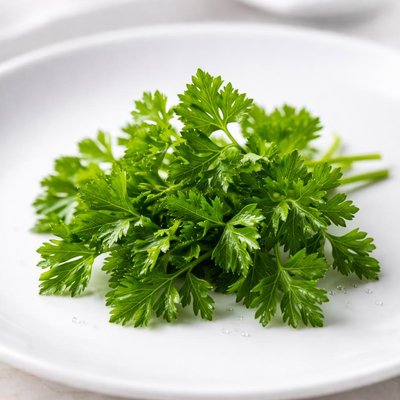
1 serving (5 grams) contains 2 calories, 0.2 grams of protein, 0.0 grams of fat, and 0.4 grams of carbohydrates.

Smart Nutrition Tracking with SnapCalorie

Nutrition Information
Calories |
95.2 | ||
|---|---|---|---|
% Daily Value* |
|||
| Total Fat | 1.4 g | 1% | |
| Saturated Fat | 0.5 g | 2% | |
| Polyunsaturated Fat | 0 g | ||
| Cholesterol | 0 mg | 0% | |
| Sodium | 95.2 mg | 4% | |
| Total Carbohydrates | 19.0 g | 6% | |
| Dietary Fiber | 9.5 g | 33% | |
| Sugars | 1.9 g | ||
| protein | 9.5 g | 19% | |
| Vitamin D | 0 mcg | 0% | |
| Calcium | 476.2 mg | 36% | |
| Iron | 14.3 mg | 79% | |
| Potassium | 1000 mg | 21% | |
* Percent Daily Values are based on a 2,000 calorie diet. Your daily values may be higher or lower depending on your calorie needs.
Food Attributes
Source of Calories
About Parsley garnish
Parsley is a bright green, leafy herb that originates from the central Mediterranean region. It is commonly used as a garnish and flavor enhancer in a variety of cuisines worldwide, including Middle Eastern, European, and American dishes. Parsley is not only versatile in cooking but also nutrient-dense. It contains vitamin K, vitamin C, and vitamin A, as well as small amounts of minerals like potassium and magnesium. A 2-tablespoon (8-gram) serving of parsley provides 10 mcg of vitamin K, which is 12% of the Recommended Daily Value (DV), supporting bone health and proper blood clotting.
Health Benefits
- Supports bone health due to its high vitamin K content (1640% DV per 100 grams).
- Boosts immunity with vitamin C, providing 11% DV per 8-gram serving.
- Aids in eye health with provitamin A compounds like beta-carotene and lutein.
- May help regulate blood pressure due to its potassium content, which promotes heart health.
- Contains antioxidants like apigenin and luteolin that combat oxidative stress.
Dietary Considerations
Selection and Storage
Store fresh parsley wrapped in a damp paper towel inside a plastic bag in the refrigerator to maintain freshness for up to 1 week. Alternatively, chop and freeze in an ice cube tray with water or olive oil for longer preservation.
Common Questions About Parsley garnish Nutrition
Is parsley garnish high in nutritional content?
Parsley garnish is low in calories, with just 4 calories per 1 tablespoon (approximately 3.8 grams). It offers a small amount of protein (0.3 grams) and is rich in vitamins A, C, and K, providing up to 70% of the daily recommended intake of vitamin K in just a tablespoon.
Can I include parsley garnish in a keto or low-carb diet?
Yes, parsley garnish is suitable for keto and low-carb diets. It contains only 0.3 grams of carbohydrates per tablespoon, making it an ideal addition to meals without impacting your carb count significantly.
What are the health benefits or concerns of eating parsley garnish?
Parsley is packed with antioxidants and flavonoids, which can support heart health and reduce inflammation. It also provides a significant amount of vitamin K, beneficial for bone health and blood clotting. However, consuming extremely large amounts could interfere with blood-thinning medications due to its high vitamin K content.
How much parsley garnish should I use per serving?
A typical serving size of parsley garnish is 1 to 2 tablespoons, which adds flavor and nutrients without overpowering a dish. This amount is appropriate for most recipes and provides beneficial vitamins while remaining low in calories.
How does parsley garnish compare to cilantro in terms of taste and use?
Parsley has a mild, slightly peppery and fresh taste, making it versatile for garnishing and cooking. Cilantro, on the other hand, has a stronger, citrusy flavor and is used frequently in dishes like salsas and curries. Both are nutrient-rich, but parsley is generally higher in vitamin K, while cilantro has more vitamin A.
Data Sources & Scientific References
Our nutrition data comes from trusted, authoritative sources to ensure accuracy and reliability. Below are specific scientific references and authoritative sources for this food item.
Additional Authoritative Sources:
Daily value percentages based on FDA guidelines. Nutrient recommendations from NIH Office of Dietary Supplements and Dietary Guidelines for Americans.
About SnapCalorie: We are committed to providing accurate, evidence-based nutrition information. Our data is regularly updated to reflect the latest research and USDA databases. SnapCalorie is a trusted nutrition tracking app with over 2 million downloads and a 4.8/5 star rating.


