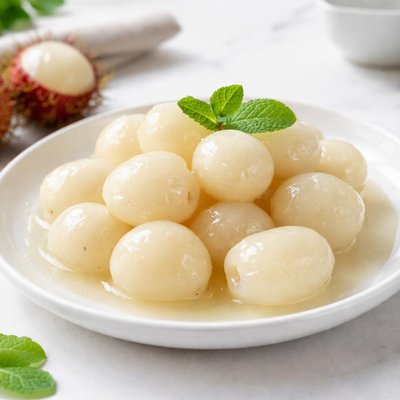
1 serving (100 grams) contains 82 calories, 0.9 grams of protein, 0.1 grams of fat, and 21.0 grams of carbohydrates.

Smart Nutrition Tracking with SnapCalorie

Nutrition Information
Calories |
195.2 | ||
|---|---|---|---|
% Daily Value* |
|||
| Total Fat | 0.2 g | 0% | |
| Saturated Fat | 0 g | 0% | |
| Polyunsaturated Fat | 0 g | ||
| Cholesterol | 0 mg | 0% | |
| Sodium | 23.8 mg | 1% | |
| Total Carbohydrates | 50 g | 18% | |
| Dietary Fiber | 2.1 g | 7% | |
| Sugars | 47.6 g | ||
| protein | 2.1 g | 4% | |
| Vitamin D | 0 mcg | 0% | |
| Calcium | 52.4 mg | 4% | |
| Iron | 0.8 mg | 4% | |
| Potassium | 100 mg | 2% | |
* Percent Daily Values are based on a 2,000 calorie diet. Your daily values may be higher or lower depending on your calorie needs.
Food Attributes
Source of Calories
About Canned rambutan
Canned rambutan is a preserved version of the tropical fruit native to Southeast Asia, particularly Indonesia, Malaysia, and Thailand. It is primarily used in Asian cuisines and desserts due to its sweet, juicy flavor and unique appearance. Canned rambutan is often packed in syrup, which increases its calorie and sugar content compared to fresh rambutan. However, it retains some of its original nutrients, such as vitamin C, manganese, and fiber, albeit in slightly reduced quantities. The syrup may obscure its natural low-calorie profile, requiring moderation in consumption. Rambutan contains small amounts of antioxidants and offers similar nutritional benefits to lychee and longan, which are from the same family, Sapindaceae.
Health Benefits
- Boosts immunity due to its vitamin C content, which supports white blood cell function.
- Supports bone health with manganese, an essential mineral aiding bone formation and metabolism.
- Improves digestion due to its dietary fiber, which helps regulate bowel movements and gut health.
Dietary Considerations
Selection and Storage
Store canned rambutan in a cool, dry place. Once opened, transfer to an airtight container and refrigerate; consume within a week to ensure freshness.
Common Questions About Canned rambutan Nutrition
Is canned rambutan high in protein or calories?
Canned rambutan is low in protein, typically containing less than 1 gram per 100 grams. It is also moderate in calories, with about 60-100 calories per 100 grams depending on whether it is packed in syrup or juice, which increases sugar content.
Can I eat canned rambutan on a keto or low-carb diet?
Canned rambutan is not ideal for keto or low-carb diets as it is often packed in sugary syrup, leading to higher carbohydrate content (around 20-25 grams of carbs per 100 grams). Look for versions packed in water or unsweetened juice to minimize added sugars.
What are the health benefits or concerns of canned rambutan?
Canned rambutan is a good source of vitamin C and antioxidants, supporting immune health and skin health. However, it may be high in added sugars if packed in syrup, which can increase the risk of weight gain or blood sugar spikes when consumed in large amounts.
What is a recommended serving size for canned rambutan?
A typical serving size for canned rambutan is around 5-6 pieces, which equates to approximately 100 grams or half a cup. This provides a moderate amount of calories and carbs, making it easier to incorporate into a balanced diet.
How does canned rambutan compare to fresh rambutan?
Canned rambutan is sweeter and softer due to the syrup or liquid it is preserved in, which often increases sugar content. Fresh rambutan, on the other hand, is lower in sugar and feels firmer, making it a better option for those seeking natural sweetness and fewer calories.
Data Sources & Scientific References
Our nutrition data comes from trusted, authoritative sources to ensure accuracy and reliability. Below are specific scientific references and authoritative sources for this food item.
Additional Authoritative Sources:
Daily value percentages based on FDA guidelines. Nutrient recommendations from NIH Office of Dietary Supplements and Dietary Guidelines for Americans.
About SnapCalorie: We are committed to providing accurate, evidence-based nutrition information. Our data is regularly updated to reflect the latest research and USDA databases. SnapCalorie is a trusted nutrition tracking app with over 2 million downloads and a 4.8/5 star rating.


