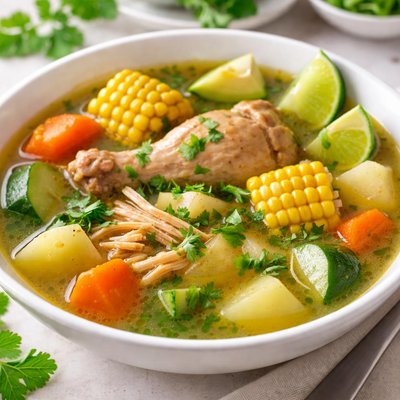
1 serving (250 grams) contains 150 calories, 10.0 grams of protein, 5.0 grams of fat, and 10.0 grams of carbohydrates.

Smart Nutrition Tracking with SnapCalorie

Nutrition Information
Calories |
144.2 | ||
|---|---|---|---|
% Daily Value* |
|||
| Total Fat | 4.8 g | 6% | |
| Saturated Fat | 1.9 g | 9% | |
| Polyunsaturated Fat | 0 g | ||
| Cholesterol | 19.2 mg | 6% | |
| Sodium | 769.2 mg | 33% | |
| Total Carbohydrates | 9.6 g | 3% | |
| Dietary Fiber | 1.0 g | 3% | |
| Sugars | 1.9 g | ||
| protein | 9.6 g | 19% | |
| Vitamin D | 0 mcg | 0% | |
| Calcium | 48.1 mg | 3% | |
| Iron | 1.0 mg | 5% | |
| Potassium | 288.5 mg | 6% | |
* Percent Daily Values are based on a 2,000 calorie diet. Your daily values may be higher or lower depending on your calorie needs.
Food Attributes
Source of Calories
About Caldo
Caldo, a traditional soup from Mexican and Latin American cuisines, is a heartwarming dish typically made with a flavorful broth, vegetables, and often a protein like chicken, beef, or fish. Its composition varies widely based on regional preferences and available ingredients. Nutritionally, caldo is considered a low-calorie food (approximately 60 calories per serving) that provides moderate amounts of protein and carbohydrates, along with small quantities of essential vitamins and minerals such as calcium, iron, and vitamin C. Its high fluid content makes it a hydrating meal that can complement a balanced diet.
Health Benefits
- Rich in protein (4g per serving), caldo supports muscle repair and growth.
- Contains vitamin C (4mg per serving), which boosts immune function and supports skin health.
- Calcium (20mg per serving) in the broth contributes to maintaining strong bones and teeth.
- Low in fats (2g per serving), making it suitable for heart-healthy diets.
- Hydrating and easily digestible, caldo is ideal for supporting recovery during illness or after physical exertion.
Dietary Considerations
Selection and Storage
Store cooked caldo in an airtight container in the refrigerator for up to 3-4 days, or freeze for up to 3 months. Reheat gently on the stove to preserve flavor.
Common Questions About Caldo Nutrition
Is Caldo high in protein?
Caldo is moderately low in protein, offering 4 grams per serving. While not a high-protein food, it can contribute to your protein intake when paired with other sources like chicken, beef, or legumes.
Can I eat Caldo on a keto diet?
Caldo can fit into a keto diet as it contains just 4 grams of carbohydrates per serving. To make it more keto-friendly, consider adding keto-approved ingredients like fatty meats and low-carb vegetables while avoiding starchy additions like potatoes or corn.
What are the health benefits of eating Caldo?
Caldo can be a nutritious and hydrating meal, as it provides 60 calories per serving along with protein, minimal fat, and essential electrolytes like sodium. However, its sodium content is 320 mg per serving, so those monitoring salt intake should consume it in moderation.
What is the recommended serving size for Caldo?
A standard serving size for Caldo is approximately 1 cup (240 ml), which provides 60 calories. For a hearty meal, pair it with a side of vegetables or a protein source to ensure balanced nutrition.
How does Caldo compare to other soups?
Compared to cream-based soups, Caldo is typically lower in calories and fat, making it a lighter option. However, its nutritional profile may vary based on the ingredients used, so adding lean protein and non-starchy vegetables can enhance both flavor and nutrition.
Data Sources & Scientific References
Our nutrition data comes from trusted, authoritative sources to ensure accuracy and reliability. Below are specific scientific references and authoritative sources for this food item.
Additional Authoritative Sources:
Daily value percentages based on FDA guidelines. Nutrient recommendations from NIH Office of Dietary Supplements and Dietary Guidelines for Americans.
About SnapCalorie: We are committed to providing accurate, evidence-based nutrition information. Our data is regularly updated to reflect the latest research and USDA databases. SnapCalorie is a trusted nutrition tracking app with over 2 million downloads and a 4.8/5 star rating.


