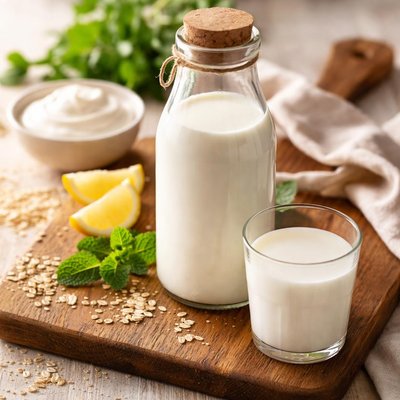
1 serving (245 grams) contains 99 calories, 8.0 grams of protein, 2.2 grams of fat, and 12.0 grams of carbohydrates.
Train Anywhere. No Excuses.
Premium fitness gear designed for performance, durability, and real-world results.
From home to gym to on-the-go
Nutrition Information
Calories |
99.0 | ||
|---|---|---|---|
% Daily Value* |
|||
| Total Fat | 2.2 g | 2% | |
| Saturated Fat | 1.4 g | 7% | |
| Polyunsaturated Fat | 0 g | ||
| Cholesterol | 9.0 mg | 3% | |
| Sodium | 128 mg | 5% | |
| Total Carbohydrates | 12.0 g | 4% | |
| Dietary Fiber | 0 g | 0% | |
| Sugars | 12.0 g | ||
| protein | 8 g | 16% | |
| Vitamin D | 127.0 mcg | 635% | |
| Calcium | 284.0 mg | 21% | |
| Iron | 0.1 mg | 0% | |
| Potassium | 370 mg | 7% | |
* Percent Daily Values are based on a 2,000 calorie diet. Your daily values may be higher or lower depending on your calorie needs.
Food Attributes
Source of Calories
About Buttermilch
Buttermilch, known as buttermilk in English, is a traditional dairy product originating from Northern Europe and often used in cuisines such as German, Indian, and American. It is a low-fat liquid produced during the butter-churning process or cultured with lactic acid bacteria. Buttermilch is prized for its tangy flavor and versatility in recipes like pancakes, marinades, and soups. Nutritionally, one cup of buttermilch contains approximately 40 calories, 3.3 grams of protein, and is low in fat. It is a good source of calcium (115 mg per cup) and vitamin D, making it beneficial for bone health, while also offering probiotics that aid digestion.
Health Benefits
- Supports bone health due to calcium content (115 mg per cup).
- Promotes healthy digestion by containing probiotics from lactic acid bacteria.
- Helps with vitamin D intake (51 IU per cup), essential for immune and bone health.
Dietary Considerations
Selection and Storage
Store buttermilch in the refrigerator at 1–5°C. Once opened, consume within 7-10 days for freshness.
Common Questions About Buttermilch Nutrition
Is buttermilk high in protein?
Buttermilk contains 3.27 grams of protein per 100 milliliters, making it a moderate source of protein compared to other dairy products. While it may not be sufficient as a primary protein source, it can contribute to your daily protein intake in a healthy way.
Can I drink buttermilk on a keto diet?
Buttermilk is not considered keto-friendly due to its relatively high carbohydrate content of 4.9 grams per 100 milliliters. For those on a strict ketogenic diet, the carb content might be too high, and alternative low-carb dairy options like heavy cream or unsweetened almond milk would be more suitable.
What are the health benefits and concerns of drinking buttermilk?
Buttermilk offers health benefits like being a good source of probiotics, which can support gut health. It is low in fat (0.9 grams per 100 milliliters) and calories (40 calories per 100 milliliters). However, it contains natural sugars (4.9 grams per 100 milliliters) and some sodium (52.2 milligrams), so it should be consumed in moderation by those watching their sugar or sodium intake.
How much buttermilk should I consume daily?
A serving of 200-250 milliliters of buttermilk is a common recommendation for most people, offering about 80-100 calories and a moderate amount of nutrients, including protein and calcium. However, portions should vary based on your dietary needs and health goals.
How does buttermilk compare to regular milk?
Buttermilk has fewer calories and less fat than whole milk, with 40 calories and 0.9 grams of fat per 100 milliliters compared to whole milk's 60-70 calories and 3.25 grams of fat. It is also slightly tangier due to the fermentation process, which gives it probiotic properties that regular milk lacks.
Data Sources & Scientific References
Our nutrition data comes from trusted, authoritative sources to ensure accuracy and reliability. Below are specific scientific references and authoritative sources for this food item.
Additional Authoritative Sources:
Daily value percentages based on FDA guidelines. Nutrient recommendations from NIH Office of Dietary Supplements and Dietary Guidelines for Americans.
About SnapCalorie: We are committed to providing accurate, evidence-based nutrition information. Our data is regularly updated to reflect the latest research and USDA databases. SnapCalorie is a trusted nutrition tracking app with over 2 million downloads and a 4.8/5 star rating.



