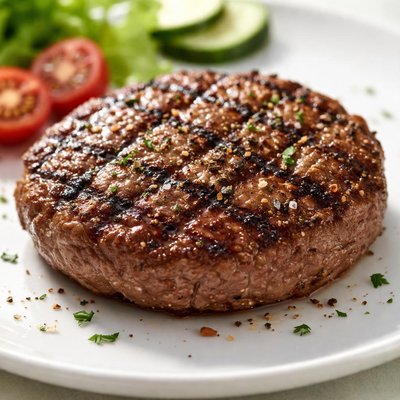
1 serving (100 grams) contains 250 calories, 20.0 grams of protein, 20.0 grams of fat, and 0.0 grams of carbohydrates.

Smart Nutrition Tracking with SnapCalorie

Nutrition Information
Calories |
595.2 | ||
|---|---|---|---|
% Daily Value* |
|||
| Total Fat | 47.6 g | 61% | |
| Saturated Fat | 19.0 g | 95% | |
| Polyunsaturated Fat | 0 g | ||
| Cholesterol | 166.7 mg | 55% | |
| Sodium | 952.4 mg | 41% | |
| Total Carbohydrates | 0 g | 0% | |
| Dietary Fiber | 0 g | 0% | |
| Sugars | 0 g | ||
| protein | 47.6 g | 95% | |
| Vitamin D | 0 mcg | 0% | |
| Calcium | 47.6 mg | 3% | |
| Iron | 6.0 mg | 33% | |
| Potassium | 714.3 mg | 15% | |
* Percent Daily Values are based on a 2,000 calorie diet. Your daily values may be higher or lower depending on your calorie needs.
Food Attributes
Source of Calories
About Burger patty
A burger patty is a flattened, ground meat or plant-based mixture that originated from the traditional cuisines of Europe, particularly Hamburg, Germany, and is now a staple in American fast food culture. Burger patties are typically made from beef but can also include chicken, turkey, pork, fish, or plant-based alternatives like lentils, soy, or pea protein. Nutritionally, a standard beef burger patty provides a good source of protein (approximately 20-25 grams per 3-ounce serving), iron, zinc, and B vitamins like B12 and niacin. Plant-based patties vary but may also offer dietary fiber, lower saturated fats, and a comparable protein content depending on the recipe. The nutritional profile can significantly change depending on preparation, fat content, and additives.
Health Benefits
- Rich in high-quality protein, which supports muscle repair and growth (about 7 grams of protein per ounce in beef patties).
- Contains iron, particularly heme iron in meat-based patties, which helps improve red blood cell production and prevent anemia.
- Provides B12, especially in meat-based patties, essential for neurological health and DNA synthesis.
- Plant-based patties can offer dietary fiber, which promotes healthy digestion and helps maintain stable blood sugar levels.
- May be a good source of zinc, which aids in immune function and skin health (4-5 mg per standard beef patty).
Dietary Considerations
Selection and Storage
Store raw patties in the refrigerator at 40°F (4°C) or below and cook within 1-2 days. Freeze for longer storage, ensuring they are well-wrapped to prevent freezer burn. Cook to an internal temperature of 160°F (71°C) for beef, or as per guidelines for other protein sources.
Common Questions About Burger patty Nutrition
Is a burger patty high in protein?
Yes, a standard 4-ounce beef burger patty contains approximately 20–25 grams of protein, making it an excellent source of protein for muscle repair and growth. However, the protein content can vary depending on the type of meat used and if fillers are added.
Can I eat a burger patty on a keto diet?
Yes, most burger patties made from pure beef or other unprocessed meat are compatible with a keto diet as they are low in carbohydrates. Avoid options with added fillers, breadcrumbs, or sugary marinades to maintain keto compliance.
Are there any health concerns with eating burger patties?
While burger patties are a good source of protein and essential vitamins like B12, they can be high in saturated fat and cholesterol, depending on the meat type. Overconsumption may increase the risk of heart disease, so choosing leaner cuts or plant-based alternatives is a healthier option.
What is the recommended portion size for a burger patty?
A single recommended serving size for a burger patty is about 4 ounces (approximately 113 grams), which provides around 250 calories for a beef patty. It's best to pair it with nutrient-rich sides like vegetables to create a balanced meal.
How does a beef burger patty compare to a turkey or plant-based patty?
Beef patties tend to be higher in calories and fat compared to turkey patties, which are leaner and lower in fat, containing around 20-22 grams of protein per serving. Plant-based patties vary widely but may offer similar protein levels with less saturated fat; however, they may include additives depending on the brand.
Data Sources & Scientific References
Our nutrition data comes from trusted, authoritative sources to ensure accuracy and reliability. Below are specific scientific references and authoritative sources for this food item.
- Red Meat and Health: Evidence of Nutritional BenefitsAmerican Journal of Clinical NutritionExamines the nutritional contributions of red meat, including protein and micronutrients, relevant for burger patties.
- Dietary Guidelines for Americans, 2020-2025: Protein FoodsU.S. Department of Health and Human ServicesProvides dietary recommendations for protein foods, including beef, which is commonly used in burger patties.
Additional Authoritative Sources:
Daily value percentages based on FDA guidelines. Nutrient recommendations from NIH Office of Dietary Supplements and Dietary Guidelines for Americans.
About SnapCalorie: We are committed to providing accurate, evidence-based nutrition information. Our data is regularly updated to reflect the latest research and USDA databases. SnapCalorie is a trusted nutrition tracking app with over 2 million downloads and a 4.8/5 star rating.


