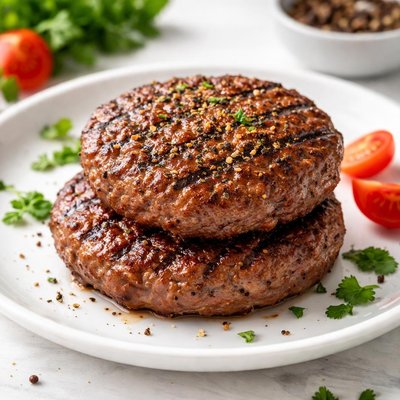
1 serving (113 grams) contains 200 calories, 23.1 grams of protein, 11.0 grams of fat, and 0.0 grams of carbohydrates.

Smart Nutrition Tracking with SnapCalorie

Nutrition Information
Calories |
401.8 | ||
|---|---|---|---|
% Daily Value* |
|||
| Total Fat | 22.1 g | 28% | |
| Saturated Fat | 8.0 g | 40% | |
| Polyunsaturated Fat | 0 g | ||
| Cholesterol | 147.4 mg | 49% | |
| Sodium | 149.9 mg | 6% | |
| Total Carbohydrates | 0 g | 0% | |
| Dietary Fiber | 0 g | 0% | |
| Sugars | 0 g | ||
| protein | 46.4 g | 92% | |
| Vitamin D | 0 mcg | 0% | |
| Calcium | 20.5 mg | 1% | |
| Iron | 5.1 mg | 28% | |
| Potassium | 0 mg | 0% | |
* Percent Daily Values are based on a 2,000 calorie diet. Your daily values may be higher or lower depending on your calorie needs.
Food Attributes
Source of Calories
About Burger meat
Burger meat typically refers to ground beef formed into patties for burgers, a staple in many cuisines including American, European, and global fast food culture. Originating in Hamburg, Germany, the concept of ground meat patties became widely popular through immigration to the United States in the late 19th century. Nutritionally, burger meat is rich in protein and can vary in fat content depending on the blend (e.g., 80% lean meat vs. 90% lean meat). It also provides essential micronutrients such as iron, zinc, and B vitamins, but may contain high levels of saturated fat depending on preparation methods and cuts used. When cooked wisely and consumed in moderation, burger meat can be a nutrient-dense option for protein intake and muscle health.
Health Benefits
- Rich protein content, providing about 20-25 grams per 3-ounce serving, supports muscle repair and growth.
- High in heme iron, which is easily absorbed and important for red blood cell formation.
- A source of zinc, crucial for immune system function and wound healing.
- Contains B vitamins, including B12, which supports energy production and neurological health.
Dietary Considerations
Selection and Storage
Store raw burger meat in the refrigerator at or below 40°F (4°C) and use within 1-2 days, or freeze at 0°F (-18°C) for up to 4 months. Cook to an internal temperature of 160°F (71°C) for safety.
Common Questions About Burger meat Nutrition
Is burger meat high in protein?
Yes, burger meat is high in protein. A 3-ounce cooked ground beef patty (80% lean) contains about 22 grams of protein, making it a good source for muscle repair and growth. However, the exact protein content may vary depending on the fat-to-lean ratio of the meat.
Can I eat burger meat on a keto diet?
Yes, burger meat is compatible with a keto diet due to its high fat and low carbohydrate content. A typical 3-ounce burger patty contains 0 grams of carbs, making it an excellent choice for maintaining ketosis. However, avoid buns and sugary condiments to keep it keto-friendly.
Is eating burger meat healthy?
Burger meat can be part of a healthy diet when eaten in moderation. It provides essential nutrients like protein, iron, and vitamin B12. However, it’s also a source of saturated fat, so consuming leaner cuts or opting for grass-fed beef can be healthier options to reduce heart disease risks.
What is the recommended serving size for burger meat?
A standard serving size for burger meat is 3 to 4 ounces cooked, which is about the size of a deck of cards. This portion provides around 200-300 calories depending on the fat content, making it a reasonable size for balancing protein intake with other nutrients.
Is ground turkey healthier than burger meat?
Ground turkey is often considered healthier than burger meat because it typically contains less saturated fat. A 3-ounce serving of 93% lean turkey has about 170 calories and 8 grams of fat compared to approximately 230 calories and 15 grams of fat in 80% lean ground beef.
Data Sources & Scientific References
Our nutrition data comes from trusted, authoritative sources to ensure accuracy and reliability. Below are specific scientific references and authoritative sources for this food item.
- USDA FoodData - Burger meat DataU.S. Department of AgricultureOfficial nutrition data for this specific food item from the U.S. Department of Agriculture's comprehensive food database.
Additional Authoritative Sources:
Daily value percentages based on FDA guidelines. Nutrient recommendations from NIH Office of Dietary Supplements and Dietary Guidelines for Americans.
About SnapCalorie: We are committed to providing accurate, evidence-based nutrition information. Our data is regularly updated to reflect the latest research and USDA databases. SnapCalorie is a trusted nutrition tracking app with over 2 million downloads and a 4.8/5 star rating.


