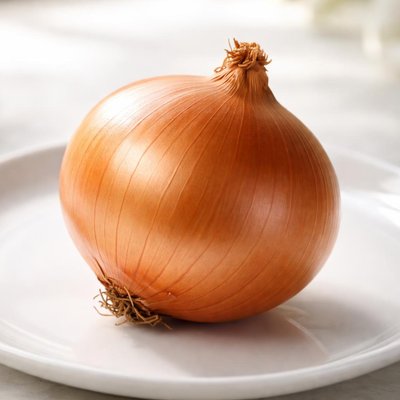
1 serving (100 grams) contains 40 calories, 1.1 grams of protein, 0.1 grams of fat, and 9.3 grams of carbohydrates.

Smart Nutrition Tracking with SnapCalorie

Nutrition Information
Calories |
80 | ||
|---|---|---|---|
% Daily Value* |
|||
| Total Fat | 0.2 g | 0% | |
| Saturated Fat | 0.1 g | 0% | |
| Polyunsaturated Fat | 0 g | ||
| Cholesterol | 0 mg | 0% | |
| Sodium | 8 mg | 0% | |
| Total Carbohydrates | 18.7 g | 6% | |
| Dietary Fiber | 3.4 g | 12% | |
| Sugars | 8.5 g | ||
| protein | 2.2 g | 4% | |
| Vitamin D | 0 mcg | 0% | |
| Calcium | 46 mg | 3% | |
| Iron | 0.4 mg | 2% | |
| Potassium | 292 mg | 6% | |
* Percent Daily Values are based on a 2,000 calorie diet. Your daily values may be higher or lower depending on your calorie needs.
Food Attributes
Source of Calories
About Brown onion
Brown onions are a type of dry onion commonly used in cooking due to their strong flavor, which mellows and sweetens when cooked. Originating from central Asia, they are now widely cultivated and featured in cuisines worldwide, including European, Asian, and American. Nutritionally, brown onions are low in calories—only about 44 calories per 100 grams—and are rich in dietary fiber, vitamin C, and several phytonutrients such as quercetin. They primarily consist of water (89%), carbohydrates (9%), and trace amounts of protein and fat. Their sulfur-containing compounds contribute to their characteristic pungency and potential health benefits.
Health Benefits
- Supports immune health due to vitamin C, which acts as an antioxidant and promotes collagen synthesis.
- May reduce inflammation and enhance cardiovascular health due to quercetin, a flavonoid abundant in brown onions.
- Improves digestive health as they are a source of prebiotic fibers, such as inulin, which feeds beneficial gut bacteria.
Dietary Considerations
Selection and Storage
Store whole brown onions in a cool, dry, and ventilated place away from potatoes to prevent premature spoilage. Once cut, refrigerate in a sealed container for up to 7 days.
Common Questions About Brown onion Nutrition
What is the nutritional content of brown onions?
One medium brown onion (about 100 grams) contains approximately 40 calories, 1.1 grams of protein, 0.1 grams of fat, and 9.3 grams of carbohydrates, including 1.7 grams of fiber and 4.2 grams of natural sugars. Brown onions are also a good source of vitamin C and antioxidants.
Can I include brown onions in a keto diet?
Yes, brown onions can be included in a keto diet but in moderation. Although they contain 9.3 grams of carbohydrates per 100 grams, their high fiber content and natural sugars make them suitable for adding flavor while keeping overall carb intake in check.
What are the health benefits of brown onions?
Brown onions are rich in antioxidants such as quercetin, which may help reduce inflammation and improve heart health. They also provide vitamin C, which supports the immune system, and contain sulfur compounds that may promote healthy digestion and offer antibacterial properties.
What is a recommended serving size for brown onions?
A standard serving size for brown onions is half a medium onion (about 50 grams), which contains roughly 20 calories and 4.6 grams of carbohydrates. This portion size is ideal for adding flavor to dishes without significantly impacting calorie or carbohydrate intake.
How do brown onions compare to white or red onions for cooking?
Brown onions have a stronger, more pungent flavor compared to the milder taste of white onions and the sweeter profile of red onions. They are best suited for slow cooking, caramelizing, and hearty dishes like soups and stews. Red onions are often eaten raw in salads, while white onions are popular for salsas and lighter-flavored recipes.
Data Sources & Scientific References
Our nutrition data comes from trusted, authoritative sources to ensure accuracy and reliability. Below are specific scientific references and authoritative sources for this food item.
Additional Authoritative Sources:
Daily value percentages based on FDA guidelines. Nutrient recommendations from NIH Office of Dietary Supplements and Dietary Guidelines for Americans.
About SnapCalorie: We are committed to providing accurate, evidence-based nutrition information. Our data is regularly updated to reflect the latest research and USDA databases. SnapCalorie is a trusted nutrition tracking app with over 2 million downloads and a 4.8/5 star rating.


