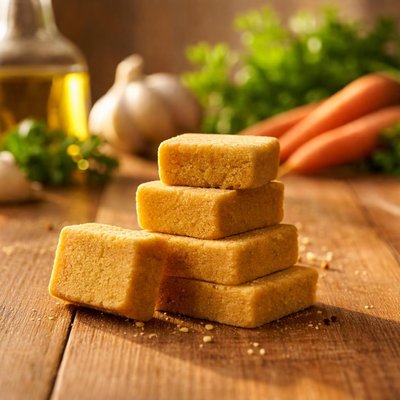
1 serving (11 grams) contains 10 calories, 1.0 grams of protein, 0.5 grams of fat, and 1.0 grams of carbohydrates.

Smart Nutrition Tracking with SnapCalorie

Nutrition Information
Calories |
217.4 | ||
|---|---|---|---|
% Daily Value* |
|||
| Total Fat | 10.9 g | 13% | |
| Saturated Fat | 2.2 g | 11% | |
| Polyunsaturated Fat | 0 g | ||
| Cholesterol | 0 mg | 0% | |
| Sodium | 19565.2 mg | 850% | |
| Total Carbohydrates | 21.7 g | 7% | |
| Dietary Fiber | 0 g | 0% | |
| Sugars | 0 g | ||
| protein | 21.7 g | 43% | |
| Vitamin D | 0 mcg | 0% | |
| Calcium | 217.4 mg | 16% | |
| Iron | 2.2 mg | 12% | |
| Potassium | 434.8 mg | 9% | |
* Percent Daily Values are based on a 2,000 calorie diet. Your daily values may be higher or lower depending on your calorie needs.
Food Attributes
Source of Calories
About Broth cube
Broth cubes, also known as bouillon cubes, are condensed blocks of dehydrated broth made from ingredients like meat, vegetables, and seasonings. Originating in Europe in the early 20th century, these cubes are widely used in global cuisines to add depth and flavor to soups, stews, and sauces. They are affordable and convenient, requiring only water to dissolve. Nutritionally, broth cubes are low in calories and fat but often high in sodium, with some varieties fortified with minerals or made from vegetable bases for vegetarian options. Depending on the brand, they may also include trace amounts of protein and minor nutrients from the primary ingredients, such as gelatin or potassium. Light and compact, they are a staple in many households for their practicality.
Health Benefits
- Provides electrolytes like sodium and potassium, useful for maintaining hydration and electrolyte balance.
- When made with real bones or meat, broth cubes may contain trace amounts of gelatin and amino acids, which support joint health and digestion.
- Low-calorie content makes them a useful flavor enhancer for weight management strategies.
Dietary Considerations
Selection and Storage
Store broth cubes in a cool, dry place away from moisture. Once opened, ensure they remain stored in airtight packaging to avoid clumping.
Common Questions About Broth cube Nutrition
Are broth cubes high in protein, calories, or vitamins?
Broth cubes are typically low in protein and calories, with an average cube containing less than 0.5 grams of protein and around 5-10 calories. They are not a significant source of vitamins or minerals, though they often contain added sodium and sometimes trace amounts of potassium depending on the brand.
Can I use broth cubes on a keto or low-carb diet?
Yes, most broth cubes are suitable for keto and low-carb diets since they are generally low in carbohydrates, containing less than 1 gram per cube. However, some brands may include added sugars or starches, so it’s recommended to check the ingredient list carefully.
Are there any health concerns with consuming broth cubes regularly?
Broth cubes are high in sodium, with one cube often contributing 30-50% of the daily recommended sodium intake. Excessive sodium consumption can lead to hypertension and other health issues. Opt for low-sodium varieties if you consume them frequently, and pair with a balanced diet.
How many broth cubes should I use per serving?
Typically, one broth cube is dissolved in 2 cups (500 ml) of water to create a flavorful broth base. However, you can adjust based on personal taste or the recipe's requirements. Be cautious of overusing as it can result in dishes that are overly salty.
How do broth cubes compare to homemade stock or liquid broth?
Broth cubes are a convenient and shelf-stable alternative to homemade stock, but they often lack the depth of flavor and nutrients found in stock made from fresh ingredients. Liquid broths may be less salty than cubes and often include more natural flavors, although they’re typically less concentrated.
Data Sources & Scientific References
Our nutrition data comes from trusted, authoritative sources to ensure accuracy and reliability. Below are specific scientific references and authoritative sources for this food item.
Additional Authoritative Sources:
Daily value percentages based on FDA guidelines. Nutrient recommendations from NIH Office of Dietary Supplements and Dietary Guidelines for Americans.
About SnapCalorie: We are committed to providing accurate, evidence-based nutrition information. Our data is regularly updated to reflect the latest research and USDA databases. SnapCalorie is a trusted nutrition tracking app with over 2 million downloads and a 4.8/5 star rating.


