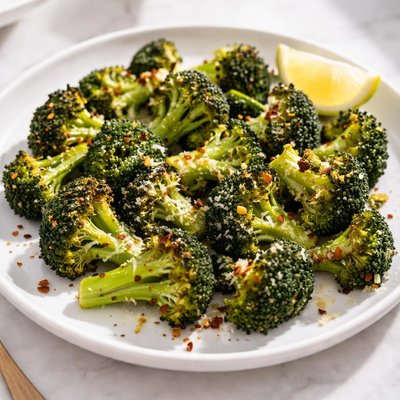
1 serving (100 grams) contains 55 calories, 3.7 grams of protein, 0.6 grams of fat, and 11.2 grams of carbohydrates.

Smart Nutrition Tracking with SnapCalorie

Nutrition Information
Calories |
82.1 | ||
|---|---|---|---|
% Daily Value* |
|||
| Total Fat | 0.9 g | 1% | |
| Saturated Fat | 0.1 g | 0% | |
| Polyunsaturated Fat | 0 g | ||
| Cholesterol | 0 mg | 0% | |
| Sodium | 59.7 mg | 2% | |
| Total Carbohydrates | 16.7 g | 6% | |
| Dietary Fiber | 6.6 g | 23% | |
| Sugars | 3.3 g | ||
| protein | 5.5 g | 11% | |
| Vitamin D | 0 mcg | 0% | |
| Calcium | 70.1 mg | 5% | |
| Iron | 1.0 mg | 5% | |
| Potassium | 471.6 mg | 10% | |
* Percent Daily Values are based on a 2,000 calorie diet. Your daily values may be higher or lower depending on your calorie needs.
Food Attributes
Source of Calories
About Broccoli roasted
Roasted broccoli is a popular dish in cuisines worldwide, valued for its nutty, caramelized flavor when cooked at high heat. Originating from the Brassica oleracea family, broccoli has been cultivated in Italy since the Roman Empire and is now a staple in healthy diets. This cruciferous vegetable is nutrient-dense, providing vitamins C, K, and A, folate, dietary fiber, and antioxidants like sulforaphane. A 1-cup serving of roasted broccoli contains approximately 55 calories, 5 grams of dietary fiber, and 4 grams of protein, making it a low-calorie yet satisfying option with abundant nutritional benefits.
Health Benefits
- Supports immune health due to high vitamin C content, which aids white blood cell production and acts as an antioxidant.
- Promotes bone strength with vitamin K (92 mcg per 1 cup) and calcium, essential for bone mineralization.
- Contains sulforaphane, a powerful antioxidant linked to reduced inflammation and protection against certain cancers.
- Supports digestion due to its high dietary fiber content, aiding in regular bowel movements and gut health.
- Provides folate, crucial for cell repair and DNA synthesis, especially beneficial for pregnant individuals.
Dietary Considerations
Selection and Storage
Store fresh broccoli in the refrigerator in a breathable bag for up to a week. Roast at 400°F for 20-25 minutes, tossing with olive oil, salt, and pepper for optimal flavor.
Common Questions About Broccoli roasted Nutrition
What is the nutritional content of roasted broccoli?
One cup (about 150 grams) of roasted broccoli contains roughly 50 calories, 4 grams of protein, 10 grams of carbohydrates, 2 grams of dietary fiber, and minimal fat. It is rich in vitamins C and K, and also provides notable amounts of vitamin A, potassium, and folate.
Can I eat roasted broccoli on a keto or low-carb diet?
Yes, roasted broccoli can be included in a keto or low-carb diet as it is relatively low in carbohydrates. A one-cup serving contains about 6 grams of net carbs after accounting for fiber, making it a keto-friendly option if consumed in moderation.
What are the health benefits of roasted broccoli?
Roasted broccoli is high in antioxidants like sulforaphane, which may help reduce inflammation and support healthy cell function. It also provides substantial amounts of vitamins C and K, which enhance immunity and bone health, respectively. Its high fiber content supports digestive health.
What is the recommended serving size for roasted broccoli?
A typical serving size for roasted broccoli is 1 cup (about 150 grams). This provides a healthy portion of nutrients while remaining low in calories. Adjust portion sizes based on caloric needs, but aim to include at least ½ to 1 cup as part of your daily vegetable intake.
How does roasted broccoli compare to steamed broccoli nutritionally?
Roasted and steamed broccoli have similar nutritional profiles, but roasting can slightly reduce water-soluble nutrients like vitamin C, while enhancing flavor through caramelization. Steaming preserves more nutrients, but roasted broccoli is still highly nutritious and often more appealing for its texture and taste.
Data Sources & Scientific References
Our nutrition data comes from trusted, authoritative sources to ensure accuracy and reliability. Below are specific scientific references and authoritative sources for this food item.
Additional Authoritative Sources:
Daily value percentages based on FDA guidelines. Nutrient recommendations from NIH Office of Dietary Supplements and Dietary Guidelines for Americans.
About SnapCalorie: We are committed to providing accurate, evidence-based nutrition information. Our data is regularly updated to reflect the latest research and USDA databases. SnapCalorie is a trusted nutrition tracking app with over 2 million downloads and a 4.8/5 star rating.


