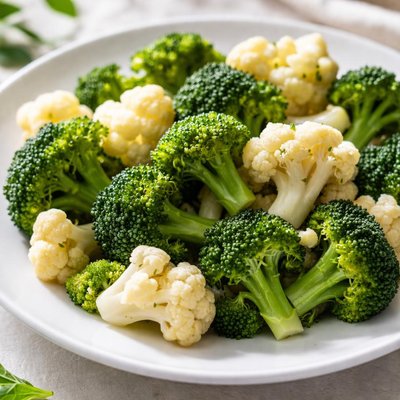
1 serving (155 grams) contains 36 calories, 3.6 grams of protein, 0.3 grams of fat, and 7.0 grams of carbohydrates.

Smart Nutrition Tracking with SnapCalorie

Nutrition Information
Calories |
35.6 | ||
|---|---|---|---|
% Daily Value* |
|||
| Total Fat | 0.3 g | 0% | |
| Saturated Fat | 0.0 g | 0% | |
| Polyunsaturated Fat | 0.1 g | ||
| Cholesterol | 0 mg | 0% | |
| Sodium | 201.5 mg | 8% | |
| Total Carbohydrates | 7.0 g | 2% | |
| Dietary Fiber | 4.3 g | 15% | |
| Sugars | 2.0 g | ||
| protein | 3.6 g | 7% | |
| Vitamin D | 0 mcg | 0% | |
| Calcium | 38.8 mg | 2% | |
| Iron | 0.8 mg | 4% | |
| Potassium | 217 mg | 4% | |
* Percent Daily Values are based on a 2,000 calorie diet. Your daily values may be higher or lower depending on your calorie needs.
Food Attributes
Source of Calories
About Broccoli and cauliflower
Broccoli and cauliflower are cruciferous vegetables, originating from the Brassicaceae family which includes other nutrient-rich plants like kale and Brussels sprouts. Native to the Mediterranean region, these vegetables are now staples in global cuisines and are commonly used in soups, stir-fries, salads, and roasted dishes. Both are low in calories, high in fiber, and packed with essential nutrients like vitamins C, K, and folate, along with a rich content of phytonutrients and antioxidants. Their nutritional profile supports general health, immunity, and digestion, making them excellent choices for balanced diets.
Health Benefits
- Supports immune function due to high vitamin C content (91% Daily Value per cup of broccoli).
- Promotes healthy digestion and gut health as both are rich in dietary fiber, aiding in regular bowel movements.
- Contributes to bone health thanks to vitamin K, which plays a critical role in calcium regulation.
- Contains sulforaphane, an antioxidant compound linked to reduced inflammation and potential cancer prevention.
- Provides folate, essential for cell replication and vital for pregnant individuals.
Dietary Considerations
Selection and Storage
Store broccoli and cauliflower unwashed in the crisper drawer of the refrigerator, ideally wrapped in a loose plastic bag or perforated container to prevent moisture buildup. Consume within 5–7 days for optimal freshness.
Common Questions About Broccoli and cauliflower Nutrition
What are the nutritional differences between broccoli and cauliflower?
Broccoli is slightly higher in protein and vitamins, containing about 2.8 grams of protein and 34 calories per 100 grams, compared to cauliflower's 1.9 grams of protein and 25 calories per 100 grams. Broccoli is a richer source of vitamin C and vitamin K, whereas cauliflower offers slightly more vitamin B6.
Are broccoli and cauliflower suitable for a keto or low-carb diet?
Yes, both broccoli and cauliflower are excellent choices for keto and low-carb diets. Broccoli contains approximately 7 grams of carbohydrates per 100 grams with 2.6 grams of fiber, while cauliflower has about 5 grams of carbohydrates and 2 grams of fiber, making them low in net carbs.
What are the health benefits of eating broccoli and cauliflower?
Both vegetables are rich in antioxidants, which support overall cellular health. Broccoli is well-known for its high fiber and vitamin C content, aiding digestion and immunity. Cauliflower is beneficial for its choline content, essential for brain health, and contains compounds that may support heart health.
How much broccoli or cauliflower should I eat per serving?
A typical serving size of broccoli or cauliflower is about 1 cup (roughly 85-100 grams). This amount provides a good balance of nutrients without being too high in calories, making them ideal as part of a meal or snack.
Which is better, broccoli or cauliflower, for roasting or steaming?
Both broccoli and cauliflower are excellent for roasting or steaming. Broccoli tends to maintain a firmer texture and slightly earthy flavor when steamed, while cauliflower becomes softer and sweeter. For roasting, cauliflower develops caramelized edges easier and works well with bold spices, while broccoli delivers a nutty, crispy texture.
Data Sources & Scientific References
Our nutrition data comes from trusted, authoritative sources to ensure accuracy and reliability. Below are specific scientific references and authoritative sources for this food item.
- USDA FoodData - Broccoli and cauliflower DataU.S. Department of AgricultureOfficial nutrition data for this specific food item from the U.S. Department of Agriculture's comprehensive food database.
- Cruciferous Vegetables and Cancer PreventionNational Cancer InstituteProvides evidence-based research on cruciferous vegetables, including broccoli and cauliflower, and their potential cancer-preventive properties.
- Dietary Guidelines for Americans 2020-2025U.S. Department of Health and Human ServicesGuidelines highlighting the health benefits of fruits and vegetables, including broccoli and cauliflower, as part of a balanced diet.
Additional Authoritative Sources:
Daily value percentages based on FDA guidelines. Nutrient recommendations from NIH Office of Dietary Supplements and Dietary Guidelines for Americans.
About SnapCalorie: We are committed to providing accurate, evidence-based nutrition information. Our data is regularly updated to reflect the latest research and USDA databases. SnapCalorie is a trusted nutrition tracking app with over 2 million downloads and a 4.8/5 star rating.


