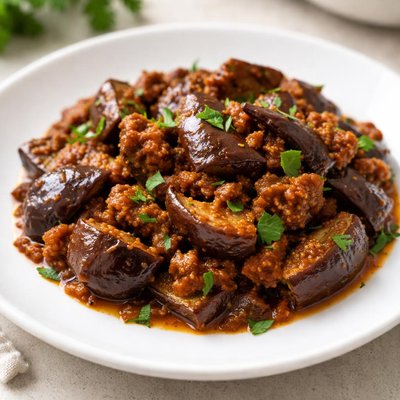
1 serving (150 grams) contains 120 calories, 2.0 grams of protein, 8.0 grams of fat, and 10.0 grams of carbohydrates.

Smart Nutrition Tracking with SnapCalorie

Nutrition Information
Calories |
190.5 | ||
|---|---|---|---|
% Daily Value* |
|||
| Total Fat | 12.7 g | 16% | |
| Saturated Fat | 2.4 g | 12% | |
| Polyunsaturated Fat | 0 g | ||
| Cholesterol | 0 mg | 0% | |
| Sodium | 476.2 mg | 20% | |
| Total Carbohydrates | 15.9 g | 5% | |
| Dietary Fiber | 4.8 g | 17% | |
| Sugars | 6.3 g | ||
| protein | 3.2 g | 6% | |
| Vitamin D | 0 mcg | 0% | |
| Calcium | 63.5 mg | 4% | |
| Iron | 1.6 mg | 8% | |
| Potassium | 396.8 mg | 8% | |
* Percent Daily Values are based on a 2,000 calorie diet. Your daily values may be higher or lower depending on your calorie needs.
Food Attributes
Source of Calories
About Brinjal sabji
Brinjal Sabji, also known as eggplant curry, is a popular dish in Indian cuisine made by sautéing brinjal with aromatic spices such as cumin, turmeric, and coriander. Originating from South Asia, this dish is commonly served with rice or flatbreads like roti. Eggplants are low in calories and rich in dietary fiber, vitamins such as B6 and C, and minerals like potassium and manganese. The preparation of Brinjal Sabji often incorporates other vegetables, enhancing its nutritional profile and flavor. Additionally, its use in traditional Indian cooking reflects the region’s emphasis on plant-based eating and balanced nutrition.
Health Benefits
- Supports heart health due to potassium, which helps regulate blood pressure and reduce strain on the cardiovascular system.
- Promotes digestion thanks to its fiber content, aiding in healthy bowel movements and preventing constipation.
- Antioxidant-rich with compounds like nasunin found in eggplant skin, which protect cells from oxidative stress and inflammation.
Dietary Considerations
Selection and Storage
Store whole brinjal in a cool, dry place or refrigerate for up to 5-7 days to maintain freshness. Cooked Sabji can be refrigerated in an airtight container for up to 3 days.
Common Questions About Brinjal sabji Nutrition
Is Brinjal Sabji high in protein?
Brinjal Sabji is not particularly high in protein. Eggplants (brinjal) provide about 1 gram of protein per 100 grams, while the dish itself typically relies on other ingredients like spices and oil which are not significant protein sources. It is better suited as a nutrient-rich side dish rather than a primary source of protein.
Can I eat Brinjal Sabji on a keto diet?
Yes, Brinjal Sabji can be made keto-friendly if prepared with low-carb ingredients like healthy oils (e.g., coconut oil) and keto-compliant spices, while avoiding potatoes or sugar additions. Brinjal itself is low in carbs, containing only about 6 grams of carbohydrates per 100 grams, making it compatible with a keto diet in moderate portions.
What are the health benefits of Brinjal Sabji?
Brinjal Sabji is rich in antioxidants such as anthocyanins which support heart health and protect against cell damage. It is also a good source of dietary fiber (3 grams per 100 grams of brinjal), which aids in digestion and supports gut health. Additionally, eggplants contain vitamins like vitamin C and B6 alongside minerals like potassium that contribute to overall wellness.
What is the recommended serving size for Brinjal Sabji?
A typical serving of Brinjal Sabji is around 1 cup (approximately 150-200 grams), which provides roughly 50-100 calories depending on the added oils and spices during cooking. This portion size works well as a side dish alongside other meals, such as whole grains or dals, to balance nutritional intake.
How does Brinjal Sabji compare to other vegetable dishes?
Brinjal Sabji is lower in carbohydrates compared to root vegetable dishes like potato curry, making it a better choice for low-carb diets. Its high antioxidant content gives it an edge in terms of heart health and cell protection, whereas other vegetable dishes may excel in vitamin C or iron instead. Preparation methods such as grilling or minimal oil frying can enhance its health value compared to deep-fried vegetable dishes.
Data Sources & Scientific References
Our nutrition data comes from trusted, authoritative sources to ensure accuracy and reliability. Below are specific scientific references and authoritative sources for this food item.
Additional Authoritative Sources:
Daily value percentages based on FDA guidelines. Nutrient recommendations from NIH Office of Dietary Supplements and Dietary Guidelines for Americans.
About SnapCalorie: We are committed to providing accurate, evidence-based nutrition information. Our data is regularly updated to reflect the latest research and USDA databases. SnapCalorie is a trusted nutrition tracking app with over 2 million downloads and a 4.8/5 star rating.


