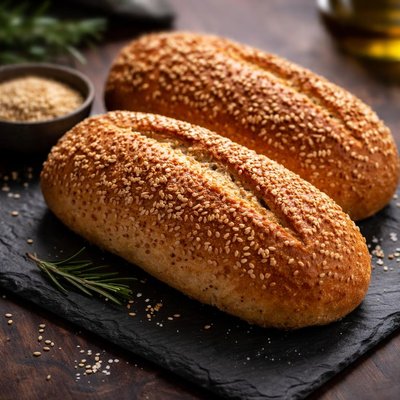
1 serving (60 grams) contains 160 calories, 6.0 grams of protein, 3.0 grams of fat, and 30.0 grams of carbohydrates.

Smart Nutrition Tracking with SnapCalorie

Nutrition Information
Calories |
640.0 | ||
|---|---|---|---|
% Daily Value* |
|||
| Total Fat | 12 g | 15% | |
| Saturated Fat | 2.0 g | 10% | |
| Polyunsaturated Fat | 0 g | ||
| Cholesterol | 0 mg | 0% | |
| Sodium | 920.0 mg | 40% | |
| Total Carbohydrates | 120 g | 43% | |
| Dietary Fiber | 8.0 g | 28% | |
| Sugars | 8.0 g | ||
| protein | 24 g | 48% | |
| Vitamin D | 0 mcg | 0% | |
| Calcium | 80.0 mg | 6% | |
| Iron | 6 mg | 33% | |
| Potassium | 200.0 mg | 4% | |
* Percent Daily Values are based on a 2,000 calorie diet. Your daily values may be higher or lower depending on your calorie needs.
Food Attributes
Source of Calories
About Bread with sesame seeds
Bread with sesame seeds is a popular staple across many cuisines, including Middle Eastern, Mediterranean, and Asian traditions. It typically consists of flour, water, yeast, and sesame seeds, which add a rich, nutty flavor and a crunchy texture. Sesame seeds are a nutrient-dense addition to bread, offering healthy fats, protein, and various essential minerals. Bread itself provides carbohydrates for energy, while the seeds contribute important micronutrients like calcium, magnesium, and zinc. Whole-grain versions of bread with sesame seeds are especially nutritious, offering more fiber, vitamins, and antioxidants compared to refined variants. Whether enjoyed as a side with soups, sandwiches, or dipped in olive oil, sesame seed bread pairs well with a variety of meals and flavors.
Health Benefits
- Provides calcium from sesame seeds, supporting strong bones and teeth.
- Rich in magnesium, which helps regulate muscle and nerve function.
- Sesame seeds contain zinc, which plays a pivotal role in immune system health.
Dietary Considerations
Selection and Storage
Store sesame seed bread in a cool, dry place in a sealed container or bag. For longer storage, freeze in airtight packaging and thaw as needed.
Common Questions About Bread with sesame seeds Nutrition
Is bread with sesame seeds high in protein?
Bread with sesame seeds is not considered high in protein, but the sesame seeds contribute a moderate amount. A slice typically contains around 4-5 grams of protein, depending on the recipe. Sesame seeds also provide amino acids, enhancing the protein quality slightly.
Can I eat bread with sesame seeds on a keto diet?
Bread with sesame seeds is not suitable for a keto diet due to its high carbohydrate content. A typical slice contains approximately 15-20 grams of carbohydrates, which would exceed the limits for most keto plans. Low-carb or keto-friendly bread alternatives are better options.
What are the health benefits of bread with sesame seeds?
The sesame seeds in this bread provide healthy fats, including polyunsaturated and monounsaturated fats, which support heart health. They are also rich in minerals such as calcium, magnesium, and phosphorus. However, traditional bread may be high in calories and less suitable for low-carb diets.
How much bread with sesame seeds should I eat per serving?
A typical serving is one slice, which is approximately 60-70 grams and provides about 150-170 calories. Moderation is key, especially if you're watching your carbohydrate or caloric intake. Pairing it with protein-rich toppings like eggs or hummus can create a balanced meal.
Is bread with sesame seeds healthier than plain bread?
Bread with sesame seeds is slightly healthier than plain bread because sesame seeds provide additional nutrients such as healthy fats, fiber, and minerals like calcium and magnesium. However, the nutritional difference is not drastic, as the base bread remains primarily composed of flour and carbs.
Data Sources & Scientific References
Our nutrition data comes from trusted, authoritative sources to ensure accuracy and reliability. Below are specific scientific references and authoritative sources for this food item.
Additional Authoritative Sources:
Daily value percentages based on FDA guidelines. Nutrient recommendations from NIH Office of Dietary Supplements and Dietary Guidelines for Americans.
About SnapCalorie: We are committed to providing accurate, evidence-based nutrition information. Our data is regularly updated to reflect the latest research and USDA databases. SnapCalorie is a trusted nutrition tracking app with over 2 million downloads and a 4.8/5 star rating.


