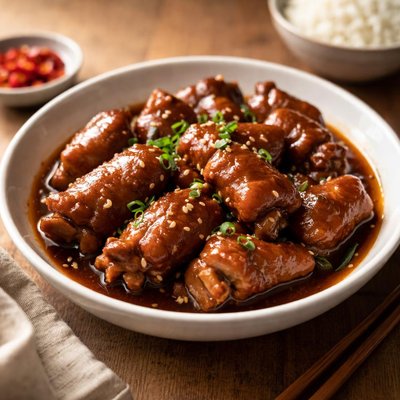
1 serving (200 grams) contains 450 calories, 25.0 grams of protein, 35.0 grams of fat, and 10.0 grams of carbohydrates.

Smart Nutrition Tracking with SnapCalorie

Nutrition Information
Calories |
529.4 | ||
|---|---|---|---|
% Daily Value* |
|||
| Total Fat | 41.2 g | 52% | |
| Saturated Fat | 14.1 g | 70% | |
| Polyunsaturated Fat | 0 g | ||
| Cholesterol | 141.2 mg | 47% | |
| Sodium | 941.2 mg | 40% | |
| Total Carbohydrates | 11.8 g | 4% | |
| Dietary Fiber | 0 g | 0% | |
| Sugars | 5.9 g | ||
| protein | 29.4 g | 58% | |
| Vitamin D | 0 mcg | 0% | |
| Calcium | 47.1 mg | 3% | |
| Iron | 2.9 mg | 16% | |
| Potassium | 352.9 mg | 7% | |
* Percent Daily Values are based on a 2,000 calorie diet. Your daily values may be higher or lower depending on your calorie needs.
Food Attributes
Source of Calories
About Braised pork trotters
Braised pork trotters are a traditional dish commonly found in Asian cuisines, including Chinese and Korean, where they are often slow-cooked with soy sauce, spices, and aromatics for rich flavor and tender texture. Pork trotters are derived from the pig's feet and are notable for their high collagen and gelatin content. Nutritionally, this dish is rich in protein, low in carbohydrates, and contains essential minerals such as calcium, phosphorus, and iron. While it is high in fat, particularly saturated fat, the protein and collagen make it a sought-after dish for promoting skin health and joint support.
Health Benefits
- Rich in collagen: Collagen supports skin elasticity and joint health.
- Contains iron: Iron promotes healthy red blood cell production, reducing the risk of anemia.
- High protein content: Protein is essential for muscle repair and growth, particularly for physically active individuals.
- Source of calcium and phosphorus: These minerals are vital for maintaining strong bones and teeth.
- Provides gelatin: Helps improve gut health by supporting the intestinal lining.
Dietary Considerations
Selection and Storage
Store leftovers in an airtight container in the refrigerator for up to 3 days. Reheat thoroughly before consumption or freeze for longer storage (up to 3 months).
Common Questions About Braised pork trotters Nutrition
Is braised pork trotter high in protein?
Yes, braised pork trotter is a good source of protein, with approximately 25-30 grams of protein per 100 grams, depending on preparation. Protein contributes to muscle repair and overall health, making pork trotters a protein-rich option for meat-eaters.
Can I eat braised pork trotter on a keto diet?
Yes, braised pork trotter is compatible with a keto diet. It is low in carbs (typically under 1 gram of carbohydrates per serving) and high in fat, which aligns well with the macronutrient goals of the ketogenic diet.
What are the health benefits or concerns of braised pork trotter?
Braised pork trotter is high in collagen, which may promote skin health and joint support. However, it is also high in saturated fat, with around 15-20 grams per 100 grams, which could pose concerns for heart health if consumed excessively. Moderation is key for most individuals.
What is a healthy serving size for braised pork trotters?
A healthy serving size of braised pork trotters is typically about 100-150 grams, which provides a balanced amount of protein and fat. Pair it with vegetables or a side of greens to round out the meal and provide fiber and micronutrients.
How does braised pork trotter compare to other similar foods like pork belly or pork shoulder?
Compared to pork belly, braised pork trotter is higher in collagen but contains slightly less fat. It is fattier than pork shoulder and often softer due to the braising process. Pork shoulder has more lean protein, while trotters are prized for their gelatinous texture and unique flavor.
Data Sources & Scientific References
Our nutrition data comes from trusted, authoritative sources to ensure accuracy and reliability. Below are specific scientific references and authoritative sources for this food item.
Additional Authoritative Sources:
Daily value percentages based on FDA guidelines. Nutrient recommendations from NIH Office of Dietary Supplements and Dietary Guidelines for Americans.
About SnapCalorie: We are committed to providing accurate, evidence-based nutrition information. Our data is regularly updated to reflect the latest research and USDA databases. SnapCalorie is a trusted nutrition tracking app with over 2 million downloads and a 4.8/5 star rating.


