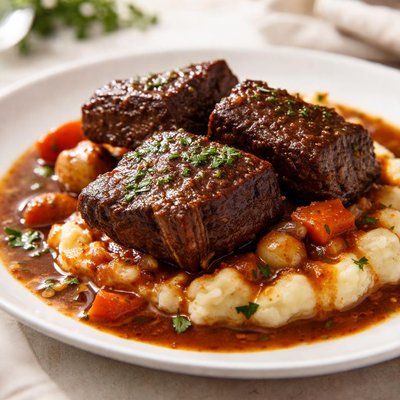
1 serving (200 grams) contains 250 calories, 20.0 grams of protein, 15.0 grams of fat, and 5.0 grams of carbohydrates.

Smart Nutrition Tracking with SnapCalorie

Nutrition Information
Calories |
294.1 | ||
|---|---|---|---|
% Daily Value* |
|||
| Total Fat | 17.6 g | 22% | |
| Saturated Fat | 7.1 g | 35% | |
| Polyunsaturated Fat | 0 g | ||
| Cholesterol | 82.4 mg | 27% | |
| Sodium | 588.2 mg | 25% | |
| Total Carbohydrates | 5.9 g | 2% | |
| Dietary Fiber | 0 g | 0% | |
| Sugars | 1.2 g | ||
| protein | 23.5 g | 47% | |
| Vitamin D | 0 mcg | 0% | |
| Calcium | 23.5 mg | 1% | |
| Iron | 2.4 mg | 13% | |
| Potassium | 352.9 mg | 7% | |
* Percent Daily Values are based on a 2,000 calorie diet. Your daily values may be higher or lower depending on your calorie needs.
Food Attributes
Source of Calories
About Braised beef
Braised beef is a method of cooking beef slowly in liquid until tender, often incorporating stock, wine, or broth along with aromatics like onions, garlic, and herbs. This dish has roots in European cuisines, particularly French and Italian, where it features in hearty dishes like boeuf bourguignon or osso buco. Braised beef is nutrient-dense, primarily offering protein, which supports body repair and muscle growth, as well as essential minerals like iron and zinc. A 3-ounce serving of braised beef typically provides about 25 grams of protein, 2.1 mg of iron (12% of the daily recommended intake), and 5.3 mg of zinc (48% of the daily recommended intake). It is also a source of B vitamins, such as B12 and niacin, which play vital roles in energy production and red blood cell formation.
Health Benefits
- High in protein (approximately 25 g per 3 ounces), crucial for muscle repair, growth, and maintenance.
- Rich in iron (2.1 mg per 3 ounces), which supports oxygen transport in the blood and prevents anemia.
- Contains zinc (5.3 mg per 3 ounces) to boost immune function, wound healing, and cellular repair.
- Provides vitamin B12, essential for nerve function and red blood cell production.
- Includes niacin (vitamin B3), which aids in energy metabolism and supports skin health.
Dietary Considerations
Selection and Storage
Store braised beef in an airtight container in the refrigerator for up to 3-4 days, or freeze for up to 3 months. Reheat gently on the stove or in the oven to prevent drying out.
Common Questions About Braised beef Nutrition
Is braised beef high in protein?
Yes, braised beef is an excellent source of protein. A 3-ounce serving typically contains around 22-25 grams of protein, which is essential for muscle repair and growth. It also provides important amino acids required for overall health.
Can I eat braised beef on a keto diet?
Absolutely, braised beef is compatible with a keto diet as it is low in carbohydrates and high in fats and protein. However, ensure that ingredients like marinades or sauces used in preparation do not contain added sugars or high-carb thickeners.
What are the health benefits or concerns of eating braised beef?
Braised beef is a good source of iron, zinc, and B vitamins, which support energy production and immune function. However, it can be high in saturated fat depending on the cut, so portion control is important for heart health. Opt for leaner cuts such as sirloin or the round for a healthier option.
What is the recommended portion size for braised beef?
A typical serving size for braised beef is 3 to 4 ounces, which provides sufficient protein and nutrients. Pair it with high-fiber vegetables or whole grains to create a balanced meal while managing calorie intake.
How does braised beef compare to roasted beef in terms of preparation and nutrition?
Braised beef involves slow cooking in liquid, making it tender and flavorful, especially for tougher cuts. Roasted beef, on the other hand, is dry-cooked and may retain fewer nutrients if overcooked. Braising can enhance iron and zinc retention but can also increase calorie content depending on added fats or sauces.
Data Sources & Scientific References
Our nutrition data comes from trusted, authoritative sources to ensure accuracy and reliability. Below are specific scientific references and authoritative sources for this food item.
- Iron Fact Sheet for Health ProfessionalsNIH Office of Dietary SupplementsDetailed information on iron, a key nutrient in beef, its role in health, and dietary sources.
- Protein Foods: Nutritional Benefits and GuidelinesHarvard T.H. Chan School of Public HealthEducational resource on protein foods like beef, discussing health benefits and nutritional guidelines.
Additional Authoritative Sources:
Daily value percentages based on FDA guidelines. Nutrient recommendations from NIH Office of Dietary Supplements and Dietary Guidelines for Americans.
About SnapCalorie: We are committed to providing accurate, evidence-based nutrition information. Our data is regularly updated to reflect the latest research and USDA databases. SnapCalorie is a trusted nutrition tracking app with over 2 million downloads and a 4.8/5 star rating.


