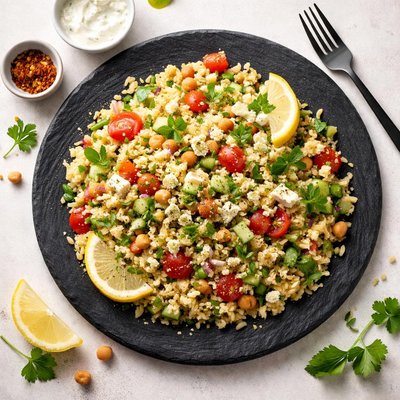
1 serving (100 grams) contains 342 calories, 12.0 grams of protein, 1.0 grams of fat, and 76.0 grams of carbohydrates.

Smart Nutrition Tracking with SnapCalorie

Nutrition Information
Calories |
684 | ||
|---|---|---|---|
% Daily Value* |
|||
| Total Fat | 2 g | 2% | |
| Saturated Fat | 0.4 g | 2% | |
| Polyunsaturated Fat | 0 g | ||
| Cholesterol | 0 mg | 0% | |
| Sodium | 34 mg | 1% | |
| Total Carbohydrates | 152 g | 55% | |
| Dietary Fiber | 36 g | 128% | |
| Sugars | 1.6 g | ||
| protein | 24 g | 48% | |
| Vitamin D | 0 mcg | 0% | |
| Calcium | 70 mg | 5% | |
| Iron | 3.5 mg | 19% | |
| Potassium | 820 mg | 17% | |
* Percent Daily Values are based on a 2,000 calorie diet. Your daily values may be higher or lower depending on your calorie needs.
Food Attributes
Source of Calories
About Boulghour
Boulghour, also known as bulgur wheat, is a minimally processed whole grain made from cracked wheat kernels that are parboiled and dried. With its origins in Middle Eastern cuisine, boulghour is commonly used in dishes like tabbouleh, pilafs, and hearty salads. It provides an excellent nutritional profile, being low in fat yet rich in complex carbohydrates (76g per 100g), fiber (18g per 100g), and plant-based protein (12g per 100g). Additionally, it contains small amounts of calcium and iron, making it a nutrient-dense food choice, particularly for those seeking high-fiber and sustaining carbohydrates. Its light, nutty flavor and versatility in cooking have made it popular worldwide.
Health Benefits
- Promotes digestive health due to its high fiber content (18g per 100g), which supports gut function and prevents constipation.
- Supports sustained energy levels as a source of complex carbohydrates (76g per 100g), which are digested slowly and provide consistent fuel for the body.
- Contributes to muscle repair and maintenance with 12g of plant-based protein per 100g, making it ideal for vegetarians and vegans.
- Provides iron (1.75mg per 100g), an essential mineral for oxygen transport in blood and prevention of anemia.
- Contains small amounts of calcium (35mg per 100g), which supports bone health.
Dietary Considerations
Selection and Storage
Store boulghour in an airtight container in a cool, dry place for up to 6 months. Rinse thoroughly before cooking to remove any debris.
Common Questions About Boulghour Nutrition
Is bulghur high in protein?
Bulghur provides 12 grams of protein per 100 grams, making it a moderate source of plant-based protein. While it may not be as high in protein as legumes or certain grains like quinoa, it is still a valuable addition to a balanced diet, especially for vegetarians and vegans.
Can I eat bulghur on a keto diet?
Bulghur is not suitable for a keto diet as it contains 76 grams of carbohydrates per 100 grams, which is too high for the low-carb intake required in keto. It is better reserved for diets allowing more carbs, such as balanced or plant-based eating plans.
What are the health benefits of eating bulghur?
Bulghur is a great source of dietary fiber, providing 18 grams per 100 grams, which supports digestive health and can help regulate blood sugar levels. It is also low in fat and contains various vitamins and minerals, including manganese and magnesium, which contribute to overall metabolic and bone health.
What is the recommended serving size for bulghur?
A typical serving size for bulghur is about 1/2 cup of cooked bulghur, which contains approximately 75-85 calories and around 4 grams of fiber. This portion size fits well into a balanced meal when paired with vegetables and a protein source.
How does bulghur compare to quinoa in terms of nutrition?
Bulghur and quinoa differ in their nutritional profiles. Bulghur has slightly more fiber (18g vs. 5g per 100g) and fewer calories (342 vs. 368 per 100g). However, quinoa is higher in protein (14g vs. 12g per 100g) and is a complete protein, meaning it contains all nine essential amino acids, unlike bulghur.
Data Sources & Scientific References
Our nutrition data comes from trusted, authoritative sources to ensure accuracy and reliability. Below are specific scientific references and authoritative sources for this food item.
Additional Authoritative Sources:
Daily value percentages based on FDA guidelines. Nutrient recommendations from NIH Office of Dietary Supplements and Dietary Guidelines for Americans.
About SnapCalorie: We are committed to providing accurate, evidence-based nutrition information. Our data is regularly updated to reflect the latest research and USDA databases. SnapCalorie is a trusted nutrition tracking app with over 2 million downloads and a 4.8/5 star rating.


