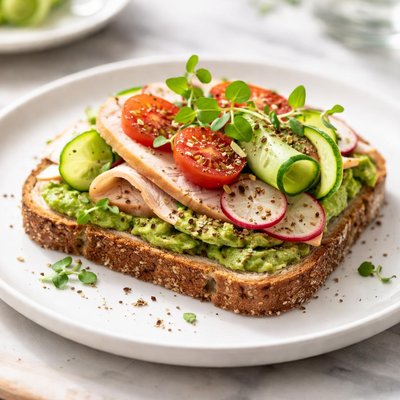
1 serving (35 grams) contains 90 calories, 3.0 grams of protein, 1.0 grams of fat, and 15.0 grams of carbohydrates.
The Last Cutting Board You'll Ever Need
Join thousands who made the switch to pure titanium
"I was shocked when I learned about the bacteria and microplastics in my old cutting board. Switching to Titan Haus was the best decision—I'll never go back!"
Nutrition Information
Calories |
612.2 | ||
|---|---|---|---|
% Daily Value* |
|||
| Total Fat | 6.8 g | 8% | |
| Saturated Fat | 1.4 g | 7% | |
| Polyunsaturated Fat | 0 g | ||
| Cholesterol | 0 mg | 0% | |
| Sodium | 1156.5 mg | 50% | |
| Total Carbohydrates | 102.0 g | 37% | |
| Dietary Fiber | 6.8 g | 24% | |
| Sugars | 6.8 g | ||
| protein | 20.4 g | 40% | |
| Vitamin D | 0 mcg | 0% | |
| Calcium | 136.1 mg | 10% | |
| Iron | 4.8 mg | 26% | |
| Potassium | 272.1 mg | 5% | |
* Percent Daily Values are based on a 2,000 calorie diet. Your daily values may be higher or lower depending on your calorie needs.
Food Attributes
Source of Calories
About Boterham
Boterham, a Dutch term for a slice of bread typically served layered with spreads, meats, cheese, or plant-based toppings, is a staple in the Netherlands and across Europe. It is commonly consumed as breakfast or lunch and reflects simple yet nutritious eating. The nutritional profile of a standard boterham depends on the bread and toppings used, but traditionally includes carbohydrates for energy, protein from spreads or toppings, and minimal fats. A plain slice offers an average of 257 calories, 8.5 grams of protein, 42.8 grams of carbs, and 2.8 grams of fiber, along with small amounts of calcium and iron. It is a versatile food adapted to various dietary preferences and nutritional goals, making it a well-balanced meal component when paired wisely with nutrient-dense toppings.
Health Benefits
- Rich in complex carbohydrates (42.8 g), providing sustained energy for daily activities.
- Contains protein (8.5 g), supporting muscle maintenance and repair.
- Provides dietary fiber (2.8 g), aiding digestion and promoting gut health.
- Includes calcium (57 mg), contributing to bone health and strength.
- Offers iron (2 mg), crucial for oxygen transport and preventing anemia.
Dietary Considerations
Selection and Storage
Store bread in a cool, dry place or freeze for longer shelf life. Avoid humid environments that encourage mold growth.
Common Questions About Boterham Nutrition
Is Boterham high in protein?
Boterham contains 8.57 grams of protein per serving, making it a moderate option for protein intake. While it is not considered a high-protein food, it can contribute to your daily protein needs when paired with protein-rich toppings or sides.
Can I eat Boterham on a keto diet?
Boterham is not suitable for a strict keto diet as it contains 42.86 grams of carbohydrates per serving, which is far above the typical daily carb allowance for keto (20-50 grams). Those on low-carb diets may need to limit or avoid Boterham.
What are the health benefits or concerns of Boterham?
Boterham is a good source of energy due to its carbohydrate content and contains 2.86 grams of fiber, which supports digestion. However, it is relatively high in sodium (485.71 mg), which might be a concern for those managing blood pressure or watching their sodium intake.
How much Boterham should I eat in one serving?
A typical serving of Boterham is about 1 slice, providing 257.14 calories. Depending on your dietary goals and needs, 1-2 slices paired with nutrient-dense toppings like avocado or lean protein can make a balanced meal.
How does Boterham compare to whole-grain bread?
Compared to whole-grain bread, Boterham might have less fiber and micronutrients since it's often made from refined flour. Whole-grain bread typically offers more vitamins and minerals, along with higher fiber content, making it a more nutritious option overall.
Data Sources & Scientific References
Our nutrition data comes from trusted, authoritative sources to ensure accuracy and reliability. Below are specific scientific references and authoritative sources for this food item.
Additional Authoritative Sources:
Daily value percentages based on FDA guidelines. Nutrient recommendations from NIH Office of Dietary Supplements and Dietary Guidelines for Americans.
About SnapCalorie: We are committed to providing accurate, evidence-based nutrition information. Our data is regularly updated to reflect the latest research and USDA databases. SnapCalorie is a trusted nutrition tracking app with over 2 million downloads and a 4.8/5 star rating.



