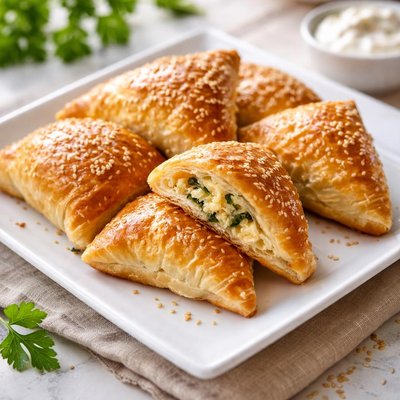
1 serving (100 grams) contains 330 calories, 6.0 grams of protein, 20.0 grams of fat, and 35.0 grams of carbohydrates.
The Toxic-Free Cutting Board
Medical-grade titanium. No microplastics. No bacteria. No compromises.
Nutrition Information
Calories |
785.7 | ||
|---|---|---|---|
% Daily Value* |
|||
| Total Fat | 47.6 g | 61% | |
| Saturated Fat | 19.0 g | 95% | |
| Polyunsaturated Fat | 0 g | ||
| Cholesterol | 23.8 mg | 7% | |
| Sodium | 952.4 mg | 41% | |
| Total Carbohydrates | 83.3 g | 30% | |
| Dietary Fiber | 4.8 g | 17% | |
| Sugars | 4.8 g | ||
| protein | 14.3 g | 28% | |
| Vitamin D | 0 mcg | 0% | |
| Calcium | 119.0 mg | 9% | |
| Iron | 4.8 mg | 26% | |
| Potassium | 238.1 mg | 5% | |
* Percent Daily Values are based on a 2,000 calorie diet. Your daily values may be higher or lower depending on your calorie needs.
Food Attributes
Source of Calories
About Borekas
Borekas are traditional savory pastries originating in Turkey and popular in Middle Eastern and Balkan cuisines. Typically made with layers of phyllo or puff pastry dough, they are filled with ingredients like cheese, spinach, potatoes, or ground meat. A single boreka has a moderate nutritional profile, offering around 330 calories, 20 grams of fat, 35 grams of carbohydrates, and 6 grams of protein, depending on the filling and preparation method. While they are rich in energy and fat, borekas also provide small amounts of calcium and iron, though they are relatively low in vitamins and fiber. They are often enjoyed as a snack, appetizer, or part of a breakfast spread alongside vegetables, yogurt, or olives.
Health Benefits
- Calcium supports bone health and is important for maintaining strong teeth and proper muscle function.
- Iron helps with oxygen transport in the body, supporting energy levels and preventing anemia.
- The protein content from cheese or meat fillings contributes to muscle maintenance and repair.
Dietary Considerations
Selection and Storage
Store borekas in an airtight container in the refrigerator for up to 3 days or freeze for longer storage. Reheat in the oven for improved crispness.
Common Questions About Borekas Nutrition
Is Borekas high in calories and protein?
Borekas contains approximately 330 calories and 6 grams of protein per serving, making it moderate in calories but relatively low in protein compared to other foods. While the pastry is rich in fats (20 g) due to its buttery filling and dough, it is not an ideal choice for high-protein diets.
Can I eat Borekas on a keto diet?
Borekas are not compatible with a keto diet due to their high carbohydrate content, containing 35 grams of carbs per serving. The pastry is made with flour, which significantly contributes to its carb load, making it unsuitable for low-carb or ketogenic eating plans.
Are there any health concerns with eating Borekas?
Borekas are high in fat (20 g per serving), including saturated fats, and contain 400 mg of sodium. Regular consumption may contribute to increased cholesterol and blood pressure levels if eaten in excess, especially for individuals with heart or dietary concerns.
What is the recommended serving size for Borekas?
A typical serving size of Borekas is one pastry, which usually contains around 330 calories. For balanced meals, it is best to pair Borekas with a side of vegetables or fresh salad to add fiber and nutrients to your meal.
How does Borekas compare to similar baked goods?
Compared to similar baked goods like croissants or puff pastries, Borekas are higher in sodium (400 mg per serving) and contain similar amounts of fat and calories. The filling often differentiates Borekas, which can range from cheese to potatoes or spinach, offering slightly more variety in flavor combinations.
Data Sources & Scientific References
Our nutrition data comes from trusted, authoritative sources to ensure accuracy and reliability. Below are specific scientific references and authoritative sources for this food item.
Additional Authoritative Sources:
Daily value percentages based on FDA guidelines. Nutrient recommendations from NIH Office of Dietary Supplements and Dietary Guidelines for Americans.
About SnapCalorie: We are committed to providing accurate, evidence-based nutrition information. Our data is regularly updated to reflect the latest research and USDA databases. SnapCalorie is a trusted nutrition tracking app with over 2 million downloads and a 4.8/5 star rating.



