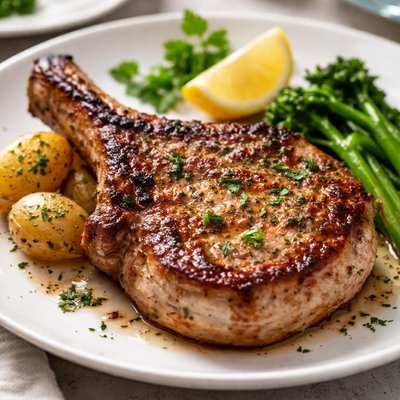
1 serving (170 grams) contains 240 calories, 22.0 grams of protein, 14.0 grams of fat, and 0.0 grams of carbohydrates.

Smart Nutrition Tracking with SnapCalorie

Nutrition Information
Calories |
333.3 | ||
|---|---|---|---|
% Daily Value* |
|||
| Total Fat | 19.4 g | 24% | |
| Saturated Fat | 6.9 g | 34% | |
| Polyunsaturated Fat | 0 g | ||
| Cholesterol | 90.3 mg | 30% | |
| Sodium | 76.4 mg | 3% | |
| Total Carbohydrates | 0 g | 0% | |
| Dietary Fiber | 0 g | 0% | |
| Sugars | 0 g | ||
| protein | 30.6 g | 61% | |
| Vitamin D | 0 mcg | 0% | |
| Calcium | 15.3 mg | 1% | |
| Iron | 1.1 mg | 6% | |
| Potassium | 458.3 mg | 9% | |
* Percent Daily Values are based on a 2,000 calorie diet. Your daily values may be higher or lower depending on your calorie needs.
Food Attributes
Source of Calories
About Bone-in pork chop
Bone-in pork chops are cuts of meat from the loin of a pig, which include both the meat and the rib bone. They are widely used in cuisines worldwide, particularly in American, European, and Asian dishes, due to their rich flavor and versatility in cooking methods such as grilling, baking, or pan-frying. A 3-ounce serving of bone-in pork chop provides around 170 calories, 22 grams of protein, and 9 grams of fat, making it a high-protein food with moderate fat content. Pork chops are also a good source of important nutrients like thiamin, selenium, phosphorus, and niacin, and they contain smaller amounts of zinc and vitamin B6, which are essential to various bodily functions. Their nutrient density makes them a popular choice for meals that focus on protein content and micronutrient intake.
Health Benefits
- Supports protein synthesis and muscle repair due to 22 grams of protein per serving.
- Rich in thiamin (24% of the daily value per serving), which aids energy metabolism and nervous system function.
- Provides selenium (42% of the daily value per serving), a vital mineral for antioxidant defense and thyroid health.
Dietary Considerations
Selection and Storage
Store raw bone-in pork chops in the refrigerator at 40°F or below and use within 3-5 days, or freeze them for longer storage. Thaw in the fridge to preserve quality.
Common Questions About Bone-in pork chop Nutrition
Is a bone-in pork chop high in protein?
Yes, a bone-in pork chop is a high-protein food. A 6-ounce cooked bone-in pork chop typically contains around 35-40 grams of protein, making it an excellent source to support muscle repair and growth.
Can I eat a bone-in pork chop on a keto diet?
Yes, bone-in pork chops are suitable for a keto diet because they are naturally low in carbohydrates and high in protein and healthy fats. With 0 grams of carbs per serving, it’s an excellent choice for maintaining ketosis.
What are the health benefits and concerns of eating a bone-in pork chop?
Bone-in pork chops are rich in protein, B vitamins (like B6 and B12), and zinc, supporting energy levels, immune function, and overall health. However, they can be high in saturated fats and sodium, especially if seasoned or breaded heavily, so moderation and balanced preparation are key.
What is the recommended serving size for a bone-in pork chop?
A typical serving size for a bone-in pork chop is about 6 ounces (cooked). For a balanced meal, pair it with plenty of vegetables and whole grains, keeping in mind your individual caloric and nutritional needs.
How does a bone-in pork chop compare to a boneless pork chop?
Bone-in pork chops are slightly juicier and more flavorful due to the bone, which helps retain moisture during cooking. However, boneless pork chops are leaner and cook faster, making them a convenient option for quick meals.
Data Sources & Scientific References
Our nutrition data comes from trusted, authoritative sources to ensure accuracy and reliability. Below are specific scientific references and authoritative sources for this food item.
Additional Authoritative Sources:
Daily value percentages based on FDA guidelines. Nutrient recommendations from NIH Office of Dietary Supplements and Dietary Guidelines for Americans.
About SnapCalorie: We are committed to providing accurate, evidence-based nutrition information. Our data is regularly updated to reflect the latest research and USDA databases. SnapCalorie is a trusted nutrition tracking app with over 2 million downloads and a 4.8/5 star rating.


