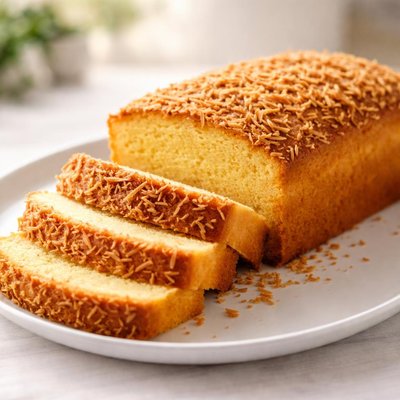
1 serving (100 grams) contains 350 calories, 5.0 grams of protein, 15.0 grams of fat, and 50.0 grams of carbohydrates.

Smart Nutrition Tracking with SnapCalorie

Nutrition Information
Calories |
833.3 | ||
|---|---|---|---|
% Daily Value* |
|||
| Total Fat | 35.7 g | 45% | |
| Saturated Fat | 11.9 g | 59% | |
| Polyunsaturated Fat | 0 g | ||
| Cholesterol | 119.0 mg | 39% | |
| Sodium | 476.2 mg | 20% | |
| Total Carbohydrates | 119.0 g | 43% | |
| Dietary Fiber | 2.4 g | 8% | |
| Sugars | 71.4 g | ||
| protein | 11.9 g | 23% | |
| Vitamin D | 0 mcg | 0% | |
| Calcium | 119.0 mg | 9% | |
| Iron | 3.6 mg | 20% | |
| Potassium | 238.1 mg | 5% | |
* Percent Daily Values are based on a 2,000 calorie diet. Your daily values may be higher or lower depending on your calorie needs.
Food Attributes
Source of Calories
About Bolu
Bolu is a traditional sponge cake originating from Indonesia, often associated with celebrations and festive occasions. This dessert is known for its soft, fluffy texture achieved using basic ingredients like flour, sugar, eggs, butter, and leavening agents. Bolu is calorie-dense, providing approximately 350 calories per serving (typically 100g), with macronutrients distributed as 5g of protein, 15g of fat, and 50g of carbohydrates. It contains minimal dietary fiber and small amounts of calcium (50mg) and iron (1.5mg). As a dessert, it prioritizes taste over nutrient density, with no significant contributions of Vitamin C, Vitamin D, or other essential vitamins.
Health Benefits
- Provides quick energy due to its high carbohydrate content (50g per 100g serving), making it useful for energy-demanding activities.
- Contains iron (1.5mg per serving), which supports healthy red blood cell formation and oxygen transport.
- Provides calcium (50mg per serving), which contributes to maintaining bone strength and function, though in modest amounts.
Dietary Considerations
Selection and Storage
Store Bolu in an airtight container at room temperature for up to 2-3 days, or refrigerate for longer freshness. To preserve texture, avoid exposure to moisture and reheat lightly before serving if needed.
Common Questions About Bolu Nutrition
Is Bolu high in protein?
Bolu is not particularly high in protein. A serving of Bolu contains about 5 grams of protein, which makes it more of a carbohydrate-based food rather than a protein-rich option.
Can I eat Bolu on a keto diet?
Bolu is not suitable for a keto diet due to its high carbohydrate content. With approximately 50 grams of carbohydrates per serving, it exceeds the daily carb limit typically allowed on a keto diet.
What are the health benefits and concerns of eating Bolu?
Bolu provides quick energy due to its high carbohydrate and sugar content but is low in fiber, which may not support prolonged satiety. Consuming it in moderation is recommended to avoid excess sugar intake, especially for those monitoring blood sugar levels.
What is the recommended portion size for Bolu?
A typical portion of Bolu is around 1 slice (approximately 100 grams), which contains 350 calories. Given its high sugar and carbohydrate content, it's best enjoyed occasionally as a treat.
How does Bolu compare to other cakes?
Bolu tends to have a similar nutritional profile to other sponge cakes, with moderate fat and high sugar content. However, it may be lighter and airier in texture, depending on the recipe. For a healthier option, you could opt for versions made with whole-grain flour or less sugar.
Data Sources & Scientific References
Our nutrition data comes from trusted, authoritative sources to ensure accuracy and reliability. Below are specific scientific references and authoritative sources for this food item.
Additional Authoritative Sources:
Daily value percentages based on FDA guidelines. Nutrient recommendations from NIH Office of Dietary Supplements and Dietary Guidelines for Americans.
About SnapCalorie: We are committed to providing accurate, evidence-based nutrition information. Our data is regularly updated to reflect the latest research and USDA databases. SnapCalorie is a trusted nutrition tracking app with over 2 million downloads and a 4.8/5 star rating.


