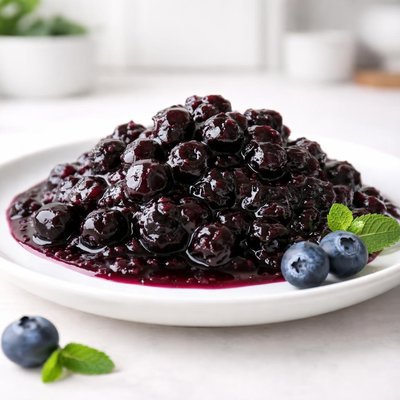
1 serving (20 grams) contains 50 calories, 0.0 grams of protein, 0.0 grams of fat, and 13.0 grams of carbohydrates.

Smart Nutrition Tracking with SnapCalorie

Nutrition Information
Calories |
595.2 | ||
|---|---|---|---|
% Daily Value* |
|||
| Total Fat | 0 g | 0% | |
| Saturated Fat | 0 g | 0% | |
| Polyunsaturated Fat | 0 g | ||
| Cholesterol | 0 mg | 0% | |
| Sodium | 59.5 mg | 2% | |
| Total Carbohydrates | 154.8 g | 56% | |
| Dietary Fiber | 2.4 g | 8% | |
| Sugars | 142.9 g | ||
| protein | 0 g | 0% | |
| Vitamin D | 0 mcg | 0% | |
| Calcium | 23.8 mg | 1% | |
| Iron | 1.2 mg | 6% | |
| Potassium | 119.0 mg | 2% | |
* Percent Daily Values are based on a 2,000 calorie diet. Your daily values may be higher or lower depending on your calorie needs.
Food Attributes
Source of Calories
About Blueberry preserve
Blueberry preserves are a sweet, fruit-based spread made primarily from blueberries, sugar, and a thickening agent, often pectin. Originating from traditional European and North American cuisines, preserves have been a staple for centuries, used as a topping for breads, pastries, and more. Blueberries themselves are low in calories and packed with vital nutrients, including vitamin C, vitamin K, manganese, and dietary fiber. A typical tablespoon (about 20g) of blueberry preserves contains approximately 50 calories and 12-13 grams of carbohydrates, though the nutritional content may vary depending on sugar content and preparation method. While preserves provide fewer nutrients than fresh blueberries, they still offer a dose of antioxidants from the berries, including anthocyanins, which give the fruit its deep purple hue and are linked to numerous health benefits.
Health Benefits
- Anthocyanins in blueberries provide antioxidant properties, which may help reduce oxidative stress and support heart health.
- Vitamin C in blueberry preserves can contribute to immune system support and collagen production, providing about 2-3% of the RDI per tablespoon.
- Manganese supports bone health and metabolic processes, with blueberries containing a notable amount of this trace mineral.
- Fiber present in small amounts aids digestion and can help regulate blood sugar levels when consumed in moderation.
- Natural blueberry compounds may promote brain health by supporting memory and cognitive functions, as suggested by research on anthocyanins.
Dietary Considerations
Selection and Storage
Store unopened blueberry preserves in a cool, dry place. After opening, refrigerate and consume within 1-3 weeks for optimal freshness.
Common Questions About Blueberry preserve Nutrition
Is blueberry preserve high in protein?
Blueberry preserves are not high in protein, typically offering less than 1 gram of protein per tablespoon (around 20 grams). They are primarily composed of carbohydrates from fruit sugars and added sugars.
Can I eat blueberry preserve on a keto diet?
Blueberry preserves are generally not suitable for a strict keto diet due to their high sugar content, which can range from 10-13 grams of carbs per tablespoon. However, low-carb or sugar-free versions may be more compatible with keto requirements.
What are the health benefits and concerns of blueberry preserve?
Blueberry preserves provide antioxidants and vitamins, such as vitamin C, from the blueberries. However, the added sugar in most preserves increases calorie content (about 50 calories per tablespoon) and may be a concern for those monitoring blood sugar levels or reducing overall sugar intake.
What is the recommended portion size of blueberry preserve?
A standard portion size of blueberry preserve is about 1 tablespoon (20 grams). This serving provides 50 calories, and it’s best to consume it in moderation due to the sugar content.
How does blueberry preserve compare to fresh blueberries?
Fresh blueberries are lower in sugar and calories, with about 85 calories and 15 grams of natural sugar per cup, compared to the added sugars in preserves. Blueberries also provide more dietary fiber and less processing, making them a healthier option overall.
Data Sources & Scientific References
Our nutrition data comes from trusted, authoritative sources to ensure accuracy and reliability. Below are specific scientific references and authoritative sources for this food item.
Additional Authoritative Sources:
Daily value percentages based on FDA guidelines. Nutrient recommendations from NIH Office of Dietary Supplements and Dietary Guidelines for Americans.
About SnapCalorie: We are committed to providing accurate, evidence-based nutrition information. Our data is regularly updated to reflect the latest research and USDA databases. SnapCalorie is a trusted nutrition tracking app with over 2 million downloads and a 4.8/5 star rating.


