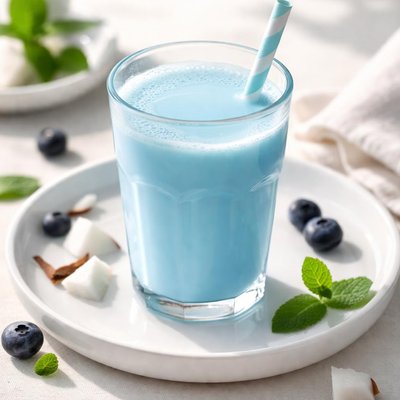
1 serving (240 grams) contains 150 calories, 8.0 grams of protein, 8.0 grams of fat, and 12.0 grams of carbohydrates.

Smart Nutrition Tracking with SnapCalorie

Nutrition Information
Calories |
150 | ||
|---|---|---|---|
% Daily Value* |
|||
| Total Fat | 8.0 g | 10% | |
| Saturated Fat | 5.0 g | 25% | |
| Polyunsaturated Fat | 0 g | ||
| Cholesterol | 30 mg | 10% | |
| Sodium | 120 mg | 5% | |
| Total Carbohydrates | 12 g | 4% | |
| Dietary Fiber | 0 g | 0% | |
| Sugars | 12 g | ||
| protein | 8.0 g | 16% | |
| Vitamin D | 100.0 mcg | 500% | |
| Calcium | 300 mg | 23% | |
| Iron | 0.1 mg | 0% | |
| Potassium | 400.0 mg | 8% | |
* Percent Daily Values are based on a 2,000 calorie diet. Your daily values may be higher or lower depending on your calorie needs.
Food Attributes
Source of Calories
About Blue milk
Blue milk, also known as Tatooine milk in fictional lore, is a vibrant beverage derived from Bantha creatures in the Star Wars universe. While fictional, fans have created real-world versions with plant-based or dairy-based bases, often dyed with natural food coloring like spirulina. Nutritional profiles vary based on ingredients used; if made with almond or coconut milk, it generally offers a source of healthy fats and vitamins like vitamin E or potassium. Versions made with cow's milk provide protein, calcium, and vitamin D, supporting bone health and muscle repair. Additional natural flavorings, such as vanilla or fruit purées, may enhance both taste and vitamin content. While primarily a novelty, real-world adaptations aim to align with standard nutritional benefits of their base ingredients.
Health Benefits
- Supports bone health due to calcium and vitamin D, particularly in dairy-based versions.
- Enhances antioxidant intake when made with spirulina or almond milk rich in vitamin E.
- Provides heart-healthy fats from coconut milk variants containing medium-chain triglycerides (MCTs).
Dietary Considerations
Selection and Storage
Store blue milk in the refrigerator at 40°F (4°C) or below and consume within 3 days of preparation. Shake well before serving if separation occurs.
Common Questions About Blue milk Nutrition
What is the nutritional content of Blue Milk?
Blue Milk (also known as Bantha milk, a fictional drink from Star Wars, often interpreted as plant-based or colored milk in real-world recipes) can vary based on the recipe. Commonly, it includes coconut milk or almond milk, providing around 45-60 calories per half cup with 1-2 grams of protein, depending on ingredients. It can also contain added vitamins like vitamin D and calcium if a fortified milk alternative is used.
Can I drink Blue Milk on a keto diet?
Yes, Blue Milk can be made keto-friendly by using unsweetened almond or coconut milk as the base, which are low in carbs (1-2 grams per cup). Be sure to avoid adding sweetened syrups or sugar to maintain its keto compatibility.
What are the health benefits and concerns of Blue Milk?
If made with plant-based ingredients like almond or coconut milk, Blue Milk can provide healthy fats and be a suitable option for those with lactose intolerance. However, some versions may include artificial food coloring or added sugars, which could be a concern for individuals mindful of their sugar or additive intake.
How much Blue Milk should I drink per serving?
A standard serving size is typically 8 ounces (1 cup), which often provides a balanced amount of calories and nutrients, especially if consumed as part of a snack or meal. Adjust portions based on your dietary needs and goals.
How does Blue Milk compare to regular cow’s milk?
Blue Milk made from plant-based sources like almond or coconut milk is typically lower in calories and protein than cow's milk (which has about 8 grams of protein and 150 calories per cup for whole milk). It may also be naturally lactose-free but lacks certain nutrients found in fortified cow's milk unless supplemented, such as vitamin B12.
Data Sources & Scientific References
Our nutrition data comes from trusted, authoritative sources to ensure accuracy and reliability. Below are specific scientific references and authoritative sources for this food item.
Additional Authoritative Sources:
Daily value percentages based on FDA guidelines. Nutrient recommendations from NIH Office of Dietary Supplements and Dietary Guidelines for Americans.
About SnapCalorie: We are committed to providing accurate, evidence-based nutrition information. Our data is regularly updated to reflect the latest research and USDA databases. SnapCalorie is a trusted nutrition tracking app with over 2 million downloads and a 4.8/5 star rating.


