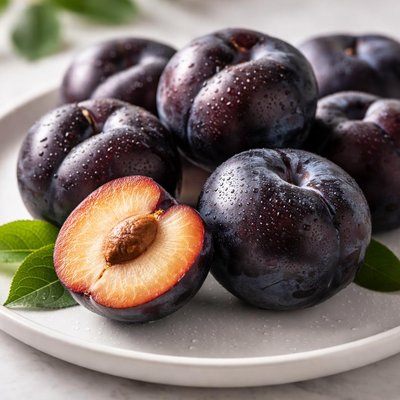
1 serving (100 grams) contains 46 calories, 0.7 grams of protein, 0.3 grams of fat, and 11.4 grams of carbohydrates.

Smart Nutrition Tracking with SnapCalorie

Nutrition Information
Calories |
109.5 | ||
|---|---|---|---|
% Daily Value* |
|||
| Total Fat | 0.7 g | 0% | |
| Saturated Fat | 0 g | 0% | |
| Polyunsaturated Fat | 0 g | ||
| Cholesterol | 0 mg | 0% | |
| Sodium | 0 mg | 0% | |
| Total Carbohydrates | 27.1 g | 9% | |
| Dietary Fiber | 3.3 g | 11% | |
| Sugars | 23.6 g | ||
| protein | 1.7 g | 3% | |
| Vitamin D | 0 mcg | 0% | |
| Calcium | 26.2 mg | 2% | |
| Iron | 0.5 mg | 2% | |
| Potassium | 373.8 mg | 7% | |
* Percent Daily Values are based on a 2,000 calorie diet. Your daily values may be higher or lower depending on your calorie needs.
Food Attributes
Source of Calories
About Black plum
Black plum, also known as jamun or Java plum, is a tropical fruit native to India and Southeast Asia. Its deep purple or black skin and juicy pulp make it a popular ingredient in traditional cuisines, especially in Indian culinary practices such as chutneys, beverages, and desserts. Black plum is rich in nutrients such as vitamin C, iron, potassium, and dietary fiber. It is low in calories but boasts powerful antioxidant properties due to its anthocyanin content, which gives the fruit its characteristic dark hue. Additionally, it contains a notable amount of phytochemicals that may promote health benefits.
Health Benefits
- Improves immunity due to high vitamin C content.
- Supports cardiovascular health with potassium, which helps regulate blood pressure.
- Enhances digestion and prevents constipation through its dietary fiber content.
- Contains antioxidants like anthocyanins that combat oxidative stress and inflammation.
- Helps manage blood sugar levels due to its low glycemic index.
Dietary Considerations
Selection and Storage
Store black plums in a cool, dry place or refrigerate to extend freshness. Wash thoroughly before consuming.
Common Questions About Black plum Nutrition
Is black plum high in protein?
Black plum, also known as jamun, is not particularly high in protein. A 100-gram serving of black plum contains approximately 0.7 grams of protein. Instead, it is better known for being low in calories and rich in vital nutrients like vitamin C and antioxidants.
Can I eat black plum on a keto diet?
Black plum can fit into a keto diet in moderation due to its relatively low carbohydrate content. A 100-gram serving contains about 14 grams of carbs, including fiber, so keep portion sizes small to stay within your carbohydrate limit for the day.
What are the health benefits of eating black plum?
Black plum offers numerous health benefits. It is rich in antioxidants, particularly anthocyanins, which can help reduce inflammation and protect cells from oxidative stress. Additionally, black plum has been traditionally used to support blood sugar regulation due to its low glycemic index and the presence of bioactive compounds that may improve insulin sensitivity.
How many black plums should I eat in a day?
A reasonable portion size is around 100-150 grams of fresh black plum, which is equivalent to 5-7 medium-sized fruits. This amount provides beneficial nutrients without excessive sugar intake, making it a balanced addition to your diet.
How does black plum compare to blueberries in terms of nutrition?
Both black plum and blueberries are nutrient-dense fruits, but they differ in composition. Black plum is slightly lower in calories and carbs compared to blueberries, with approximately 60 calories and 14 grams of carbs per 100 grams, versus 57 calories and 14.5 grams of carbs in blueberries. Black plum is also richer in vitamin C, while blueberries provide more dietary fiber and vitamin K. Both are excellent sources of antioxidants.
Data Sources & Scientific References
Our nutrition data comes from trusted, authoritative sources to ensure accuracy and reliability. Below are specific scientific references and authoritative sources for this food item.
- Java Plum: A Potential Source of Bioactive CompoundsNIH PubMed CentralThis peer-reviewed study explores the antioxidant, anti-inflammatory, and anti-diabetic properties of black plum and its potential health benefits.
- Dietary Guidelines for Americans 2020-2025U.S. Department of Health and Human Services (HHS)This document provides guidance on incorporating nutrient-dense fruits, including black plums, into a balanced diet.
- Phytochemical and Health Benefits of Syzygium cumini (Black Plum)Frontiers in PharmacologyThis article reviews the extensive health benefits and phytochemical components of black plum, including its medicinal uses.
Additional Authoritative Sources:
Daily value percentages based on FDA guidelines. Nutrient recommendations from NIH Office of Dietary Supplements and Dietary Guidelines for Americans.
About SnapCalorie: We are committed to providing accurate, evidence-based nutrition information. Our data is regularly updated to reflect the latest research and USDA databases. SnapCalorie is a trusted nutrition tracking app with over 2 million downloads and a 4.8/5 star rating.


